

Asia Advisories And UAE Visit Visa Extensions
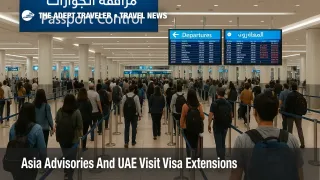
Australian Asia travel advisories December 2025 are shifting at the same time that the United Arab Emirates is moving visit visa extensions fully online, a combination that matters for anyone planning multi country trips through hubs like Dubai, Abu Dhabi, Beijing, or Manila in the coming months. Updated Australian guidance for Uzbekistan, Tajikistan, Macau, China, and the Philippines highlights terrorism, civil unrest, and national security laws, while the UAE change from December 3, 2025, aims to end routine airport style visa runs. Together, they point to a world where travelers need better pre trip research and a clear plan for longer stays.
In practical terms, the changes mean that some Asian destinations now come with sharper warnings about border regions, protests, and political risk, and that long stay visitors using the UAE as a base can secure more time in country without a same day return flight. The evolving Asia travel advisories December 2025, and the new UAE visit visa extension tools, both push travelers to check official language more carefully before committing to nonrefundable flights or accommodation.
Updated Asia advisories, where risk is tightening
Australia's Smartraveller service has recently reviewed travel advice for several Asian destinations that see steady tourist traffic but also carry complex security issues. For China, the advisory continues to recommend exercising a high degree of caution, with a specific reminder that foreigners have been detained under broadly defined national security laws, and that Australians may face arbitrary detention, exit bans, or strict enforcement of local rules that can be difficult to contest.
Neighboring Macau, usually treated as a low stress side trip from Hong Kong or southern China, now sits on the same "exercise a high degree of caution" level. The latest update underlines that Macau's Law on Safeguarding National Security can be interpreted broadly, which means political speech, public gatherings, or even social media activity might draw more attention than visitors expect. For travelers, this does not automatically mean do not go, but it does mean you should avoid political protests, keep social posts non confrontational, and follow local instructions quickly if police or security officials intervene.
Further west, Uzbekistan remains in the spotlight for terrorism risk. Smartraveller notes that terrorist attacks have occurred in Uzbekistan and could occur again, including in areas that are popular with foreigners and in some border regions. That language echoes a broader theme in Australian advice about terrorism, which stresses that attacks can take place in crowded public places, tourist sites, and transport hubs even where daily life feels normal. For itinerary planning, this points to standard precautions, such as avoiding large gatherings, being alert in transport hubs, and staying in accommodation that takes security seriously.
Tajikistan continues to carry a "high degree of caution" label overall, with a clear "do not travel" warning for the border region with Afghanistan because of a volatile security situation and terrorism risk. In the last week, cross border attacks from Afghan territory that killed several Chinese workers have prompted calls for tighter border controls and renewed attention to the frontier, a reminder that risk there is not theoretical. Even for trekkers and adventure travelers who are comfortable with higher risk, that language should shape route choices, with a focus on well established corridors and reputable local operators.
The Philippines continues to feature terrorism in its risk profile, with Smartraveller flagging that attacks, including bombings, are possible anytime and anywhere in the country, including Manila. The advisory lists likely targets such as aviation and airports, metro systems, hotels, shopping malls, clubs, restaurants, markets, places of worship, and outdoor events, many of which are standard stops on a city break. That does not mean travelers should avoid the country entirely, but it does mean listening closely to local advice in Mindanao and other higher risk areas, keeping situational awareness in crowded venues, and choosing hotels that take access control and screening seriously.
These country specific advisories sit within a broader seasonal reminder from Australian authorities that terrorism risks often tick higher around major holidays, when crowded markets, religious events, and transport hubs present attractive targets. For December trips that string together multiple Asian stops, it is worth reading each individual advisory, not just relying on headline levels like "exercise a high degree of caution," and then mapping those risks to your own comfort level and planned activities.
Other governments take a similar line. The United States, for example, tells citizens to exercise increased caution in Tajikistan due to the risk of terrorism, occasional border violence, and unexploded landmines, with particular care advised near the Kyrgyz and Afghan borders. This is why a best practice is to check your own government's advisory site for every country on your route, then cross check with airline and tour operator updates before committing to nonrefundable legs.
Background, what advisory levels really mean
Travel advisories are risk communication tools, not absolute bans. Language like "exercise a high degree of caution" usually means that there is a recognisable threat, such as terrorism, civil unrest, or difficult law enforcement, but that many trips are still completed safely when travelers are prepared. "Do not travel" language is reserved for situations where governments judge that the average traveler cannot reasonably manage the risk, for example active conflict or extreme lawlessness.
For planning, this means you should treat higher level advisories as a cue to update your insurance, share itineraries with contacts at home, and adjust your on the ground behavior, not just as red or green lights. Some insurers also link coverage to official advisory levels, so a change from "exercise normal safety precautions" to "reconsider your need to travel" can affect cancellation or medical benefits even if you personally are comfortable with the risk.
UAE moves visit visa extensions fully online
While some Asian advisories are tightening, the United Arab Emirates is loosening one practical constraint for visitors by moving short term visit visa extensions to a fully online system. From December 3, 2025, tourists and business travelers can extend UAE visit visas entirely online, without leaving the country, after the government switched renewals to a new digital platform. Legal and migration specialists note that visitors can now apply for extensions remotely instead of booking "visa run" flights to nearby countries, although the overall cap on how long you can stay on a visit visa still applies.
The change builds on existing services from the Federal Authority for Identity, Citizenship, Customs and Port Security, often called ICP, and Dubai's General Directorate of Residency and Foreigners Affairs, GDRFA, which already offered online tools for extending tourist, business, and other visit visas. In practice, many travelers previously had to work through agents or make in person visits to apply, and some still chose to exit and re enter to reset their stay period. Now the expectation is that standard extensions can be handled through authenticated portals, with electronic payments and digital documentation.
Typical applications require a passport valid for at least six months, a clear passport style photo, a copy of the current visa or entry stamp, and sometimes proof of accommodation or a local sponsor, along with payment of the extension fee. Processing times can be short, but travelers should still allow several days of buffer, especially around public holidays or busy travel periods when workloads increase. Those using the UAE as a base for regional work or digital nomad style stays need to remember that visit visas are not work permits, and that overstay penalties can escalate quickly if you miss your final validity date.
How this affects multi stop Asia and Middle East trips
For travelers stitching together complex routes, these advisory and visa changes cut both ways. On the one hand, the ability to extend a UAE visit visa online makes it easier to add last minute side trips, stay longer for a project, or ride out disruptions elsewhere in the region without committing to a same day exit. On the other hand, sharper terrorism and security language for parts of Central and East Asia raises the stakes for uninformed or spontaneous detours.
A practical pattern for the next few months is to treat hubs like Dubai and Abu Dhabi as relatively predictable bases, with strong infrastructure and straightforward online processes, while treating trips into higher risk areas such as Tajikistan's borderlands, some parts of Uzbekistan, or southern Philippines with more caution and planning. That means avoiding separate tickets with tight turns through high risk corridors, ensuring you always have enough days left on your UAE visa to absorb a delay, and keeping cash and documents ready in case routes need to change.
Before locking in nonrefundable bookings, build a simple checklist. First, read the latest advisories from your own government for each country on your itinerary, with special attention to terrorism, protest, and local law sections. Second, confirm how your insurer treats those advisory levels. Third, if you intend to extend a UAE visit visa, work through the official ICP or GDRFA portals early, so you have time to fix any documentation gaps. Finally, keep at least one flexible element in the trip, such as a fully refundable hotel night or an extra day in a low risk hub, so you have room to adjust if the situation on the ground changes.
Sources
- Smartraveller China travel advice
- Smartraveller Macau travel advice
- Smartraveller Uzbekistan travel advice
- Smartraveller Tajikistan travel advice
- Smartraveller Philippines travel advice
- Smartraveller holiday season security reminder
- U S Department of State Tajikistan country information
- VisaHQ, UAE launches fully online visit visa extension service
- GDRFA Dubai, extending a tourist visa
- ICP UAE, visa extension service