

Scenic Cruises Ends Dog Sledding, Dolphin Swims Dec 2025
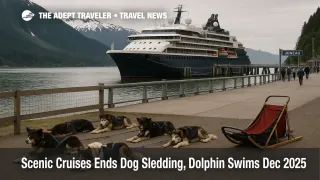
Scenic Cruises dog sledding excursions are off the menu after Scenic Luxury Cruises & Tours told People for the Ethical Treatment of Animals, PETA, in Hollywood, Florida, on December 2, 2025, that it had removed the tours from its website and does not offer captive swim with dolphin encounters. The confirmation follows PETA outreach that highlighted how sled dogs and captive dolphins are kept and used in tourism. The change matters most for Scenic guests and travel advisors planning expedition and ocean itineraries, who will now need to choose alternative excursions that do not rely on animal performances or close contact shows.
The move effectively creates a new Scenic Cruises dog sledding policy that takes dog sled rides and swim with dolphin packages off the company's official excursion list, aligning it with a wider tourism shift away from captive wildlife entertainment products that rely on stressed animals to entertain paying visitors.
PETA says the decision came after it shared evidence that many dogs in the dog sledding industry spend most of their lives chained outdoors in all weather, with only a small radius in which to sleep, eat, drink, and relieve themselves when they are not pulling sleds for tourists or racing. The group argues that these dogs are treated "like disposable equipment" rather than companion animals, and that some are also used in demanding races such as the Iditarod, where dog deaths have been documented.
On the marine side, Scenic has confirmed it does not sell captive swim with dolphin experiences, which PETA and other advocates say typically confine highly social, wide ranging animals to barren tanks or small sea pens where they swim in circles, interact on demand, and often die prematurely compared with wild counterparts. These programs have also raised concerns about stress related illness in dolphins and the potential for zoonotic disease transmission or injuries to guests during forced touch sessions.
Background, a wider shift in travel and wildlife entertainment
Scenic's decision comes as more travel brands quietly pull out of dog sledding and dolphin shows even when local regulations still allow them. PETA notes that Scenic now joins a list of companies that have cut ties with the dog sledding industry, and points to dozens of major travel players, such as Airbnb, Booking.com, Expedia, Tripadvisor, Viking Cruises, and Virgin Voyages, that have already stopped offering captive dolphin encounters altogether.
World Animal Protection, a global nonprofit that has tracked captive dolphin tourism for years, estimates that more than 3,000 dolphins are held at hundreds of venues in at least 54 countries, generating between $1.10 billion and $5.50 billion (USD) in direct annual revenues for operators. Its "Behind the Smile" report and related press material describe captive dolphin entertainment as a multibillion dollar industry in which unsuspecting tourists, often sold visits as family friendly education, effectively fuel ongoing demand for concrete tanks and performance pools.
Those findings help explain why PETA and World Animal Protection place so much emphasis on what tour operators and cruise lines choose to sell. When major distributors delist dog sled rides or dolphin shows, they reduce the promotional reach and perceived legitimacy of those activities, which can eventually push local venues to shift to other forms of tourism or shut down. Scenic's public alignment with this trend signals to other upper premium and luxury cruise brands that a "no captive dolphin, no dog sled rides" stance is increasingly compatible with guest expectations.
What this means for Scenic guests and advisors
In practical terms, current and future Scenic passengers are unlikely to see dog sledding listed among official excursions attached to the company's ocean, river, or land tour itineraries, even in destinations such as Alaska, northern Canada, or parts of the Nordic region where sled dog tourism is common across the broader cruise and tour market. Guests who had been considering dog sledding as a trip highlight will instead need to look at snowshoeing, glacier walks, helicopter flightseeing, or cultural village visits that keep wildlife observation at a respectful distance.
For dolphin interactions, Scenic guests in classic warm water ports, including parts of Mexico, the Caribbean, and Mediterranean or Middle Eastern cruise hubs, may still see third party dolphinariums advertised in the wider tourism ecosystem, but they will not be packaged as Scenic excursions. That reduces the chance that a traveler will assume "if it is in the cruise line brochure, it must be ethical," and puts more of the decision making burden back on individual travelers and their advisors.
Travel professionals selling Scenic can use the update in two ways. First, it is a clear differentiation point for clients who want trips aligned with stronger animal welfare standards but still prefer a conventional cruise or river cruise format rather than an explicitly eco tour operator. Second, it sets a benchmark when talking to other cruise and tour brands, making it easier to ask why similar policies are not yet in place elsewhere.
Dog sledding and dolphin shows, what travelers should know
Animal welfare groups argue that the core problems in dog sledding and captive dolphin entertainment are structural rather than a question of a few "bad actors." In sled dog operations geared to mass tourism, dogs may spend long periods tethered outdoors, often in harsh conditions, with limited enrichment, and may be bred, culled, or retired based on performance rather than welfare needs. Even in better resourced kennels, the workload required to keep large numbers of high energy animals fit, mentally stimulated, and socially stable year round is substantial, and profit margins can push operators to cut corners.
For dolphins, the spatial gap between natural and captive environments is even starker. In the wild, many dolphin species travel tens of miles per day, dive to significant depths, and live in complex social groups. In captivity, World Animal Protection's research describes a pattern of cramped tanks or small sea pens, loud music during shows, intense training to perform tricks, and limited ability for animals to avoid conflict or overexposure to visitors. Its data show that about two thirds of captive dolphins are used in swim with programs, selfie sessions, or similar interactions that bring tourists within arm's reach.
From a traveler's point of view, these findings suggest that even venues marketed as rescues or research centers warrant close scrutiny. Experts recommend asking whether animals are captive bred or wild caught, what the end goal is for each individual, whether shows and interactions are truly necessary, and how much control the animals have over their environment and contact with people. If a venue cannot answer these questions clearly, or if its business model depends on tricks and photo sessions, the safest choice is usually to walk away.
How to book more animal friendly trips
Scenic's shift is one sign that animal welfare is becoming a more mainstream factor in trip planning, not just a niche concern. Travelers who want to align their spending with those values can apply a few simple filters across cruise lines, tour operators, and independent bookings.
First, treat any offer that involves riding, hugging, or posing with wild animals as a red flag, especially if it includes swimming with captive marine mammals or visiting shows with choreographed tricks. Second, prioritize excursions that keep wildlife viewing at a natural distance, such as whale watching from boats following responsible codes, guided hikes that emphasize habitat, or visits to accredited sanctuaries where animals are not required to perform. Third, read the fine print for any "animal experience" sold through large online travel agencies, and cross check against lists from groups like PETA and World Animal Protection that track companies still profiting from captive dolphin and other wildlife attractions.
Finally, consider sending feedback when you see problematic excursions marketed by otherwise reputable brands. As Scenic's example shows, sustained corporate engagement by advocacy groups, backed by shifting traveler expectations, can lead to concrete policy changes that gradually shrink the footprint of industries built on animal exploitation.
Sources
- Victory! Scenic Luxury Cruises & Tours Drops Dog Sledding Excursions After PETA Plea
- Scenic Cruises Drops Dogsledding Excursions
- Scenic Luxury Cruises & Tours Cuts Ties With Dog Sledding, Captive Dolphin Programs
- Behind the Smile, The Multibillion Dollar Dolphin Entertainment Industry
- World Animal Protection Press Release on Behind the Smile
- If You Care About Dolphins, Do Not Ever Pay To Swim With Them