

Mauritius Crime Advisory Level 2, December 2025
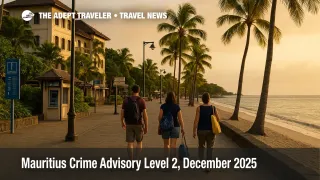
Mauritius trips for 2026 will now sit under a higher risk label, after the United States upgraded the Mauritius travel advisory to Level 2 on December 8, 2025 because of crime concerns in resort and city areas. The change affects Americans and other long haul visitors using Sir Seewoosagur Ramgoolam International Airport (MRU) as a gateway to honeymoon resorts, family beach stays, and business hotels across the island. Travel is not discouraged, but visitors are now asked to keep a lower profile, be more selective about where they stay and how they move around, and treat theft and harassment as real planning factors rather than remote possibilities.
The new Level 2 advisory for Mauritius states that crime is the main concern, and it means travelers should plan security conscious itineraries, especially around busy tourist zones, shopping areas, and at night.
Background
The State Department advisory notes that Mauritius moved from Level 1, exercise normal precautions, to Level 2, exercise increased caution, with a specific crime indicator added to the country summary on December 8, 2025. In plain terms, that shift signals that officials see a higher chance that visitors may be affected by crime, although they still view travel as acceptable for most people. Levels 1 and 2 are reviewed at least annually, and the government can update them at any time if conditions change further.
Mauritius now sits in a similar category to the Maldives, where the advisory highlights terrorism concerns, while nearby Seychelles remains overall at Level 1, with some specific areas flagged for extra caution. For travelers, that context matters more than the label alone. A Level 2 driven by crime around shops and beaches suggests different tactics than a Level 2 framed around terrorism or civil unrest, even if the headline level is the same.
Travelers who want a broader sense of how Mauritius fits into Indian Ocean planning can cross check this risk update against destination guides that explain where major resort clusters, beaches, and towns sit along the coast.
How Crime Risks Map Onto Tourist Areas
According to the updated advisory, most crimes affecting foreigners in Mauritius are crimes of opportunity. Officials highlight pickpocketing, purse snatching, and other petty theft in crowded outdoor shopping areas, on popular beaches, and in other tourist spots, as well as around ATMs. That lines up with the classic pattern of distracted visitors juggling bags, phones, and towels, then turning their attention to the water, a market display, or a selfie while valuables sit unattended.
The same summary notes that more serious crimes do occur. The State Department lists break ins, violent crimes including serious assaults and sexual violence, and verbal harassment or other offenses toward women traveling alone. While these incidents remain less common than petty theft, the fact that they are now prominent in the advisory is a signal that they are not viewed as isolated exceptions. The risk is higher in areas where nightlife, alcohol, and informal taxis cluster, or where accommodation security is basic and access is easy.
Resort areas often manage risk with controlled entry, cameras, and staff presence, but even there, theft from rooms and unattended sun loungers can occur. City center hotels and guesthouses near bus terminals, waterfront bars, and shopping streets can see more foot traffic and loitering, which makes door security, lighting, and safe storage more important when you choose where to stay.
Planning Your Stay And Daily Movements
The upgraded advisory gives a straightforward list of precautions that now move from "nice to have" to "strongly recommended." Travelers are told not to physically resist robbery attempts, to use caution when walking or driving at night, to avoid displaying signs of wealth such as expensive watches or jewelry, and to remain alert at tourist spots and ATMs.
In practice, that means a few concrete changes to how you plan a Mauritius itinerary. When choosing a hotel, look for rooms with secure locks, on site security staff, and in room safes or lockable storage you will actually use. Higher end resorts tend to meet these standards as a baseline, but some small guesthouses and short term rentals may not. If you are staying in a stand alone villa, ask how keys are controlled, whether there is staff presence overnight, and how easy it is for outsiders to access the property.
For daily movements, favor licensed taxis arranged by your hotel, prebooked transfer companies, or reputable ride services, instead of unmarked cars or informal lifts from strangers. Use ATMs inside banks or well lit shopping centers when possible, rather than isolated machines on side streets. When you visit markets or wander waterfront areas in Port Louis, keep only the cash you need in an accessible pocket and keep passports, extra cards, and large sums locked away at your accommodation.
Beach days are safest when someone in your group is always within sight of your bags. Dry bags that can be clipped to a lounge chair and small cable locks for zippers will not stop a determined thief, but they discourage casual grabs when someone passes by. If you plan to snorkel or dive from a public beach, leave phones, wallets, and spare cards in your room safe, not under a towel.
Extra Considerations For Women And Solo Travelers
The advisory language specifically calls out verbal harassment and crimes targeting women traveling alone. That does not mean Mauritius is uniquely hostile to solo female travelers, but it does mean you should treat unwanted attention and persistent approaches as risk signals, not just annoyance.
Women traveling alone or in small groups should avoid walking back to hotels along dark or quiet streets late at night, especially after drinking. Ask staff to call a known driver, and sit in the back seat with your bag at your feet, not on the seat next to you. When booking, consider properties with 24 hour reception or security and hallways that are well lit, so you are not returning to an empty front desk or an unsecured side gate.
In bars and clubs, keep drinks in sight, accept only sealed bottles opened in front of you, and leave with trusted companions or staff arranged transport. If a situation feels wrong, step into a busy, well lit business and call for help rather than arguing with someone in the street.
Insurance, STEP, And What To Do If Something Goes Wrong
The advisory encourages travelers to enroll in the Smart Traveler Enrollment Program, STEP, so the U.S. Embassy in Port Louis can send alerts and contact you in an emergency. For Mauritius, this is worth doing if you are staying more than a few days, especially during cyclone season or if you plan to combine Mauritius with Seychelles or other Indian Ocean islands that fall under the embassy's consular coverage.
The same guidance strongly recommends buying travel insurance that covers evacuation assistance, medical costs, and trip cancelation, and reminds readers to check that theft of personal belongings is explicitly included. Before departure, review policy limits for electronics, jewelry, and cash, and decide whether to leave certain high value items at home instead of trying to insure them.
If you do become a victim of crime, the State Department directs travelers to information for victims of crime abroad and suggests contacting both local police and the U.S. Embassy. In Mauritius that means dialing local emergency numbers, then contacting the embassy in Port Louis, which can help you replace a passport, find medical care, understand the local justice process, and notify family or friends.
How This Fits Into Broader Mauritius Planning
Despite the higher advisory level, Mauritius remains a mainstream long haul destination, with established resort infrastructure and a tourism economy that depends on repeat visitors. Recent coverage in travel media has framed the change as a reminder that even postcard perfect islands can see the same petty theft and occasional assaults that travelers already plan around in parts of Europe, the Caribbean, and the Indian Ocean.
For many travelers, the practical takeaway is that the margin for error has narrowed. Trips that once felt safe with little planning now benefit from more deliberate choices about location, security features, and daily routines. Our existing coverage of high end resorts such as Four Seasons Mauritius at Anahita can help you understand which properties combine strong physical security with the quiet feel many visitors want from a beach holiday. Our Mauritius destination guide can fill in gaps on geography, seasons, and activity hubs, so you can map the new risk language onto real places and routes rather than abstract warnings.
For travelers who remain comfortable with a Level 2 environment, the new advisory is less a reason to cancel than a push to move from casual habits to conscious ones, from leaving bags open on loungers to using safes, from walking home on dark side streets to arranging a ride, and from traveling "off the grid" to enrolling in STEP and sharing itineraries with someone at home. That is the shift the advisory is trying to drive.
Sources
- Mauritius Travel Advisory, U.S. Department of State
- Mauritius, International Travel Information, U.S. Department of State
- Travel Advisories Levels, U.S. Department of State
- Crime Prevention Tips While Abroad, U.S. Department of State
- U.S. Embassy Port Louis, Mauritius
- Mauritius Travel Advisory Coverage, Travel and Leisure