

São Paulo Blackout Delays Congonhas Flights
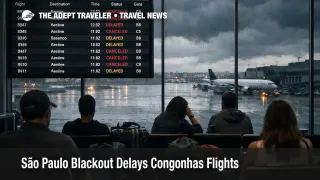
São Paulo blackout airport delays followed an extratropical cyclone that hit São Paulo, Brazil, on December 10, 2025, disrupting flights at Deputy Freitas Nobre São Paulo Congonhas Airport (CGH) and spilling into São Paulo Guarulhos International Airport (GRU). Domestic flyers using Congonhas and travelers connecting through Guarulhos are most exposed because mass cancellations can take days to unwind once aircraft and crews fall out of position. Check status before leaving, use airline self rebooking as soon as waivers appear, and build extra time for city transfers while power restoration and schedule recovery continue.
The São Paulo blackout airport delays matter because this was not a single airport weather slowdown, it was a metro wide infrastructure hit that constrained aviation, ground access, and the services travelers rely on to wait out irregular operations.
In the first two days after the storm, Congonhas carried the brunt of the disruption with hundreds of canceled flights reported by major outlets, and Guarulhos also logged significant arrival and departure cancellations. Brazil's civil aviation regulator and the Ministry of Ports and Airports said they monitored operations as the system worked back toward normal, including extraordinary operating measures at Congonhas to help clear backlogs.
Who Is Affected
Passengers flying domestic routes that touch Congonhas are the most likely to feel itinerary volatility, especially high frequency business corridors such as São Paulo to Rio de Janeiro and same day turns where a single cancellation can erase the day's flexibility. If an airline consolidated multiple canceled departures into fewer later flights, standby lists grow fast, gate areas fill, and the rebooking timeline stretches even when weather has improved.
International travelers are most exposed when Guarulhos is the connection point, because a missed domestic feeder into GRU can strand passengers for a full day or more if the next available long haul seat is limited. This is especially risky for separate ticket itineraries, where a delayed domestic leg can break an onward booking without protected connection rules.
Anyone relying on tight ground transfers inside São Paulo is also exposed, because blackout conditions can disrupt traffic flow and increase travel time uncertainty. Even when terminals run on backup power, the city around them may not, and that can turn a normal drive into a missed bag drop cutoff or a late arrival for rebooking help.
What Travelers Should Do
Act immediately on information, not hope. If your flight touches CGH or GRU, confirm status in the airline app before you leave home or your hotel, then screenshot the current itinerary, and rebook as soon as the carrier posts waiver language for date changes. If you must travel the same day, plan a larger transfer buffer across São Paulo than you would on a normal weekday, because road conditions and rideshare availability can change quickly after a large outage.
Use clear decision thresholds to avoid getting stuck. If your flight is canceled, or if a delay pushes you into a high probability misconnect, it is usually better to proactively rebook to the next day with an airport area overnight than to chase multiple same day standby attempts across congested terminals. If your trip is discretionary, or your meeting window is narrow, consider delaying departure until you see sustained on time performance for several departure banks, not just one flight leaving on schedule.
Monitor the indicators that predict recovery over the next 24 to 72 hours. Watch for airline notices about schedule normalization, rolling aircraft swaps, and restored frequencies, and compare them against airport operator advisories and Brazil's regulator updates on passenger assistance expectations. Also track local power restoration updates, because reliable electricity correlates with smoother ground access, more stable terminal systems, and faster recovery from the backlog.
How It Works
An extratropical cyclone can reduce airport capacity in two different ways, weather constraints in the airfield environment, and infrastructure constraints when wind damage knocks out power across a city. At the airfield level, high winds can force spacing increases, runway configuration changes, temporary ground stops, and safety pauses for ramp work. At the city level, blackouts stress everything around an airport, from road signaling and fuel logistics to the staffing reliability that keeps check in, security, and baggage systems moving.
Once a large cancellation wave occurs, the hardest part is not restarting flights, it is rebuilding the network. Aircraft end up in the wrong cities, crews time out or cannot reach their next assignments, and maintenance plans slip. In Brazil, where São Paulo is a major origin and connection point, disruptions at Congonhas and Guarulhos quickly ripple into other layers of the travel system, including missed domestic connections across the country, tightened seat inventory on alternate routings, and higher demand for last minute hotel rooms near airports.
Regulators and airport operators can add temporary operating measures to help, but recovery still depends on constraints easing across multiple layers at once. Brazil's civil aviation regulator said Congonhas operated with extended hours through midnight on December 11, 2025, as part of normalizing operations, while also reminding passengers to seek assistance and remedies under Brazil's passenger rights framework. Meanwhile, the power utility reported ongoing repair efforts and round the clock field teams after the December 10 storm, which matters because citywide restoration helps stabilize the non aviation pieces, roads, services, and access, that determine whether travelers can reliably make rebooked flights.
Sources
- Anac e MPor acompanham aeroportos após impactos causados pelo ciclone em SP - Agência Nacional de Aviação Civil (Anac)
- São Paulo blackout leaves 1.3M without power, hundreds of flights canceled (AP News)
- Strong winds leave millions in Sao Paulo without power, cutting water and flights (Reuters)
- Brazil urges regulator to consider terminating Enel's power contract in Sao Paulo (Reuters)
- Congonhas Airport | Aena Brasil
- Tempestades Dezembro de 2025: Acompanhe nossa operação - enel.com.br