

NCL Free at Sea Plus Returns, Pricing and Opt In Rules
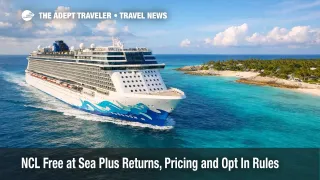
Norwegian Cruise Line (NCL) has reopened its Free at Sea Plus upgrade for eligible sailings across the fleet, turning what used to be a bundled value conversation into a clear per person, per day decision. Travelers booking cruises that depart on or after February 1, 2026 are the ones affected, especially anyone comparing "low fare" options that quietly shift costs onboard. The practical next step is to price the upgrade against what you would actually buy anyway, then make the selection before NCL's 72 hour pre sailing cutoff.
The change matters because NCL Free at Sea Plus is no longer something you stumble into as a vague "more perks" add on. It is a defined, priced upgrade with specific inclusions, eligibility rules, and timing constraints that can either stabilize a Wave Season budget or inflate it, depending on your itinerary, your cabin mix, and how you use drinks, Wi Fi, dining, and private island time.
Who Is Affected
Travelers on NCL sailings of two nights or longer that depart on or after February 1, 2026 are the core audience, because that is the published eligibility threshold for the offer. The people most likely to see the math swing are couples who plan to use premium by the glass drinks, streaming grade internet, and specialty dining beyond what their base offer includes, because those are the components that tend to add up fast onboard.
Families and multigenerational cabins need to slow down and read the age logic before assuming the package will behave like an adult upgrade for everyone. NCL's terms carve benefits by age, and the stateroom wide requirement, meaning everyone in the same cabin must choose the same offer, can force a household decision that is not optimal for each individual traveler.
It also affects travelers building tight air and hotel plans around embarkation and disembarkation days. When a larger share of passengers pre buy value, demand pressure often moves from "who will buy it onboard" to "who will reserve it first," which can show up in specialty dining availability, shore excursion capacity, and even port day planning at high demand calls. That can push travelers to add a buffer night pre cruise, choose earlier flights, or shift departure dates to align with the sailing that makes the package worth it.
What Travelers Should Do
Start by building a simple, honest basket of what you would pay for without the upgrade, including your likely Starbucks usage, whether you truly need streaming Wi Fi, and how many extra specialty dining visits you would actually book once onboard. Then compare that basket to the Free at Sea Plus per person, per day price, and remember that NCL's terms require you to lock the choice at least 72 hours before sailing, with capacity controls that can remove the option without much notice.
Use decision thresholds instead of vibes. If your itinerary includes Great Stirrup Cay and you value bar coverage ashore, the upgrade can behave like a private island hedge, especially as NCL changes how drink packages apply on the island in 2026. If you already carry meaningful onboard credit, travel with light drink habits, or plan to spend most port days off the ship on tours where you are not drinking onboard, it can be cheaper to stay with the base offer and selectively buy what you need.
Over the next 24 to 72 hours after booking, monitor three things in your planner and booking portal, the final price you are being charged for the upgrade, the exact language about prepaid service charges and what they do not cover, and the availability of the dining venues and shore excursions you care about. If the inventory you want is already tightening, that is a signal to reserve experiences early, regardless of whether you opt in.
How It Works
Free at Sea Plus is an opt in, paid upgrade layered on top of NCL's standard Free at Sea value framework for eligible sailings. NCL's published promotion terms list a $49.99 per person, per day price for adults, with a reduced child rate in the same pricing table, and the company notes that guests who already have prepaid service charges, or received them via another promotion, get a stated discount off the Free at Sea Plus package price. NCL also frames the offer as capacity controlled, meaning it can be withdrawn, and it cannot be substituted or customized.
The inclusions are specific, and that specificity is where the budgeting swings. On the beverage side, NCL positions Free at Sea Plus as adding premium wines, champagne, and liquors by the glass, as well as a bottled water and energy drink component sourced from the bar, and an unlimited Starbucks package with a one drink per visit rule. On the connectivity side, the terms call out an unlimited Wi Fi streaming voyage pass upgrade. On dining, the published upgrade is a 50 percent discount on additional specialty dining cover charges, which is different from a "free meal" construct and matters most for travelers who plan to book more specialty dining than their base promotion includes.
The operational constraints are just as important as the inclusions. NCL's terms require selecting Free at Sea Plus at least 72 hours before sailing, and they state that it cannot be changed onboard, which creates a hard pre cruise deadline. The terms also state that all guests in the same stateroom must choose the same offer, which can force an all or nothing decision for families or mixed preference cabins. Age logic is layered in as well, with the terms indicating that guests who do not meet minimum age requirements will not receive that component, and child priced guests do not receive beverage amenities.
Great Stirrup Cay is the sleeper variable that can flip the value. NCL's newsroom announcement and the promotion terms position Free at Sea Plus as including an unlimited open bar on Great Stirrup Cay, the line's private island in the Bahamas. That matters because NCL has separately communicated changes to how shipboard beverage packages apply on the island starting in 2026, which means private island bar coverage is no longer safe to assume when you are doing the drink package math. Travelers pricing Bahamas itineraries should read that island rule carefully, and connect it to their own port day plans, because a short beach stop and a long pool day do not have the same cost profile. For more context on that moving target, see Norwegian drink package ends at Great Stirrup Cay, and for broader package math trends across lines, see Cruise drink packages are changing: perks, limits, math.
Finally, do not confuse "prepaid service charges included" with "no more gratuities anywhere." NCL's Free at Sea language notes that prepaid service charges do not cover bar, beverage, or specialty dining gratuities, or other optional onboard service charges. That means Free at Sea Plus can remove one major line item, while still leaving category specific gratuities and upsells in play, which is why onboard credit strategies still matter. If you routinely use onboard credit to cover Wi Fi upgrades, coffees, bottled water, and an extra specialty meal, the upgrade can be redundant, even when the headline perks look attractive.