

Fog Delays Delhi Airport Flights, Cancellations Persist
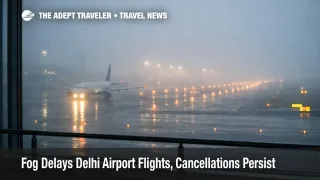
Dense fog drove low visibility operations at Indira Gandhi International Airport (DEL) on Friday, January 2, 2026, forcing airlines and air traffic managers to run the airport in a reduced capacity mode. Travelers are seeing a mix of cancellations, long departure holds, and late arriving aircraft that can turn into missed domestic connections and disrupted long haul itineraries. The practical move for passengers today is to treat morning departure and arrival times as high risk, confirm the latest status before leaving for the terminal, and be ready to rebook proactively rather than waiting in an airport queue.
Delhi airport fog delays matter beyond a single disrupted bank because once aircraft and crews fall out of sequence, the knock on effects can persist into later departures and into other stations that depend on Delhi as an aircraft and crew flow hub.
Who Is Affected
Passengers on early morning departures and anyone connecting through Delhi are most exposed because fog impacts tend to be most acute around dawn, when visibility can deteriorate quickly and runway movement rates slow. Domestic travelers connecting onward to international departures are at particular risk when an inbound delay triggers a misconnect and the next available long haul seat is not until the following day. Travelers self connecting on separate tickets face the highest financial exposure because a missed onward flight may not be protected by the airline operating the second segment.
Even travelers not flying to or from Delhi can feel the disruption if their aircraft is scheduled to operate a later leg after a delayed Delhi arrival. When one aircraft spends extra time holding, diverting, or waiting for an arrival slot, that time is often "borrowed" from later flights in the rotation, which can push delays into other North India stations, and in some cases, turn into cancellations when crews approach duty time limits.
What Travelers Should Do
Start by treating your departure time as conditional. Check your flight status shortly before you leave for the airport, and again while en route, because airlines may cancel or retime flights to reduce terminal crowding and to align with low visibility departure rates. If you are traveling to the airport by road, plan for slower traffic in fog, and consider rail options such as the Delhi Metro Airport Express Line when they fit your luggage and schedule.
Use your airline's self service tools early rather than waiting for an airport counter. IndiGo points disrupted passengers toward its online options for rebooking or refunds, and Air India's Fog Care pathway is designed to move impacted passengers to alternate flights, within the airline's stated windows and availability, without forcing a long terminal wait. If you are on a protected connection on one ticket, contact the operating carrier as soon as your inbound delay threatens minimum connection time, and push for reaccommodation before you land.
Make clear decision thresholds for waiting versus rebooking. If your trip involves an unprotected same day onward connection, a fixed event, or a cruise or tour departure, shifting to a later same day flight can still fail if the fog window persists, so it is often safer to move to an afternoon departure or to add an overnight buffer near the airport. Over the next 24 to 72 hours, monitor the India Meteorological Department guidance for morning fog risk, airline advisories, and the airport's low visibility operations updates, because the combination tells you whether schedules are likely to stabilize by midday or remain constrained into the next departure banks.
How It Works
Delhi's winter fog is not just a weather headline, it changes how the airport can safely land and launch aircraft. When visibility drops, airports and air traffic control activate low visibility procedures that slow taxi speeds, increase spacing between aircraft, and can reduce the number of arrivals and departures the runway system can handle per hour. Even when an airport has advanced landing aids, flights still depend on aircraft equipment, crew qualifications, and safe ground movement rates, so capacity can remain constrained and airlines may cancel flights in advance to reduce congestion and passenger buildup.
Delhi Airport has invested in CAT III instrument landing systems and supporting measures to keep operations moving in low visibility, but those systems do not eliminate disruption, they reduce the odds of a full stop while still requiring careful sequencing and ramp control. When the arrival rate falls, inbound flights may hold in the air, depart late from their origin because they are waiting for a slot, or divert to alternates if fuel margins or crew limits tighten. Those diversions create second order impacts because the aircraft is now out of position for its next leg, crews may time out, and passengers can end up stranded far from their intended hub.
This is how a morning fog event turns into an all day network problem. A delayed arrival can cascade into missed domestic connections, and then into rebooking queues that consume limited seats on later flights. Meanwhile, hotels around the airport and in nearby districts can tighten quickly as stranded passengers need last minute rooms, while ride hailing and taxis can slow down because road visibility affects traffic flow and curbside throughput. The DGCA winter fog framework exists to encourage realistic scheduling and qualified operations during peak fog season, but from a traveler perspective, the key is that reduced runway and ground capacity can create a multi layer ripple that lasts beyond the first bank of cancellations.
Sources
- Fog disruption: 66 flights cancelled at Delhi airport due to low visibility; DGCA's winter fog norms in force
- Delhi weather: IndiGo, Air India issue travel advisory as dense fog engulfs Delhi NCR
- Fog Care
- FAQs About Flight Delays & Cancellation
- Delhi Airport's Fog Preparedness for Smooth Operations
- Daily Weather Report & Forecast Bulletin, Delhi NCR