

Puerto Plata Port Time Change, Norwegian Breakaway Jan 1
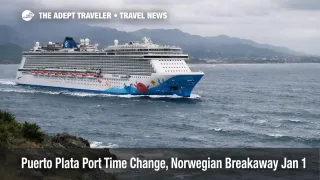
Norwegian Breakaway adjusted the timing of its Puerto Plata, Dominican Republic port call on January 1, 2026, after Norwegian Cruise Line issued an onboard notice citing developing weather, and strong currents, on the ship's route back to Manhattan, New York. The change matters most for guests with timed shore excursions, private drivers, and reservations that were built around the original all aboard window. Start by checking your latest itinerary in the NCL app or onboard communications, then re confirm any excursion meeting times and any independent pickup plans before you leave the ship.
The practical schedule change reported in cruise industry coverage was a one hour shift earlier on both ends. The call was originally scheduled for 730 a.m. to 300 p.m. local time, and was amended to 630 a.m. arrival and 200 p.m. departure. That can feel minor, but it removes the most forgiving part of a port day, the late afternoon buffer that usually saves tours running behind.
Who Is Affected
Guests on Norwegian Breakaway who planned to go ashore in Puerto Plata are the immediate impact zone, especially travelers on longer, drive time heavy tours where return timing is already tight. Independently booked excursions are the highest risk category, because the ship is not obligated to wait for guests returning late from third party tours, and re joining a ship mid itinerary can become complicated and expensive.
Travel advisors and travelers who stacked other paid elements onto the port day, including private transfers, prepaid attraction tickets, and restaurant reservations, should treat the amended departure time as the new hard stop. Even if your tour can still run, it may need a shorter itinerary, an earlier pickup, or a different return point to keep you comfortably ahead of the ship's all aboard requirement.
Anyone with post cruise travel that is sensitive to timing should also pay attention. The reason for the port time shift was operational, to protect a safe and timely return given expected weather and currents on the northbound leg. That tells you the captain is managing a moving target at sea, and routing and speed choices can still influence arrival timing at the end of the sailing.
What Travelers Should Do
If you booked shore excursions through Norwegian, verify the updated meeting times as soon as you can, and watch for any automatic re timing messages in the app or on printed excursion tickets. If an excursion is canceled by the line, keep the documentation and confirm how and when the refund will be issued, because the mechanism can differ depending on whether the excursion was prepaid before sailing or purchased onboard. Norwegian's published shore excursion terms and FAQs outline cancellation and refund pathways, including cutoffs and where cancellations must be made.
If you booked a third party tour, do not assume the operator has the new schedule. Send the revised port times in writing, ask for a revised pickup plan, and request an explicit return time commitment that clears the ship's earlier departure with a meaningful buffer. If the operator cannot shorten the tour, your decision point is simple, either switch to a shorter tour, or cancel while you still can under that operator's terms, because a one hour earlier departure materially increases the chance you miss the ship if anything slips.
Over the next 24 to 72 hours, monitor two things rather than chasing general forecasts. First, monitor any onboard updates that adjust arrival or departure times again, because weather driven planning can evolve as routing becomes clearer. Second, monitor your end of trip plan, including ground transfer timing and flight check in windows, and rebook if you are on a tight same day flight after disembarkation. If you cannot tolerate a late morning arrival at the terminal, a later flight, or an overnight buffer, is the safer move.
How It Works
Cruise lines adjust port times for the same reason airlines pad block times during rough weather weeks, the schedule is a system, not a set of independent stops. When expected conditions on a future leg require a different speed profile, the ship may need to leave a port earlier to create sea time margin, reduce exposure to the worst conditions, or ensure arrival windows that support port pilotage and terminal operations. Norwegian's guest ticket contract also makes clear that the carrier can cancel, omit, advance, or delay port calls, and can deviate from the purchased voyage when it deems it prudent for safety or operational reasons.
The first order effect is immediate and personal, less time ashore in Puerto Plata, and a tighter return window for tours and transportation. The second order ripples show up onboard and at the end of the cruise. An earlier sail away can shift spending and crowding patterns into onboard venues that would normally have a quieter port afternoon, and it can compress dinner reservations and entertainment demand for guests who return earlier than planned. It can also change the risk profile for post cruise logistics, because weather and sea state planning that drove the change in the first place can still influence the ship's northbound routing, which is why travelers should avoid stacking non flexible flights immediately after disembarkation.
Travelers who have been through port disruptions will recognize the pattern. A single constraint, whether pier access, security restrictions, or weather, can cascade into refunds, replacement plans, and timing changes across the rest of the itinerary. If you want a comparative read on how Norwegian handles port disruptions in other scenarios, see Cozumel Pier Damage Cancels Norwegian Encore Call and Norwegian Cancels Curaçao Port Call on Caribbean Sailings.
Sources
- Norwegian Breakaway Makes New Year's Day Itinerary Change
- NCL Guest Ticket Contract (US, April 2025) PDF
- Shore Excursions Terms and Conditions, Norwegian Cruise Line
- What Is the Cancellation Policy on Tours, and Where Do I Cancel?, Norwegian Cruise Line
- Cozumel Pier Damage Cancels Norwegian Encore Call
- Norwegian Cancels Curaçao Port Call on Caribbean Sailings