

GO TOKYO Gourmet Tokyo Food Site for Dining Tips
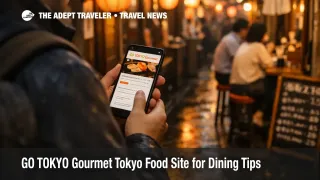
The GO TOKYO Gourmet website is a new Tokyo Metropolitan Government platform meant to help visitors understand Tokyo's food culture and plan meals with fewer surprises. Tokyo's government said the site publishes articles and videos showcasing Tokyo's diverse cuisine, plus practical visitor guidance like how meal service typically flows and what basic washoku manners look like in real restaurants.
Although a PRNewswire release dated January 6, 2026, describes the site as newly launched, the Tokyo Metropolitan Government's own announcement ties the site's opening to December 18, 2025. For travelers, the practical takeaway is simple, the content is live now, and it is positioned as an official planning resource you can use before you land in Tokyo, Japan.
Who Is Affected
This matters most for travelers who treat dining as a primary trip driver, especially anyone who is trying to balance high demand restaurants with tight sightseeing schedules. Tokyo's most sought after counters and small dining rooms can be reservation constrained, and popular food events can pull crowds into specific parks and neighborhoods, which changes how long you should budget for meals and transit.
It also helps travelers who want fewer cultural missteps. The site's dining tips content leans into what can be unfamiliar for first time visitors, including etiquette and service expectations, which can reduce awkwardness in settings like counter dining, kissaten, and small izakaya where pace and ordering norms differ from what many visitors expect.
Dietary needs travelers get a more direct planning path than generic foodie roundups usually offer. The site surfaces vegan related content, and it maintains a dedicated reservation links page with sections specifically labeled for Vegan and Halal, which is useful when you need to filter early rather than discovering constraints at the door.
What Travelers Should Do
Start by using the GO TOKYO Gourmet website to "pre decide" your highest priority meals, then build your sightseeing blocks around them. If you want one or two destination meals, treat them like timed attractions, pick the restaurant first, then slot nearby sights, and keep at least one backup option per neighborhood in case a booking does not work out.
Rebook versus wait decisions mostly come down to reservation friction and time sensitivity. If a restaurant only offers limited seatings, or if it is a small counter where walk ups are unlikely, book earlier and lock that meal into the itinerary. If the meal is flexible, for example casual noodles, depachika, or kissaten style cafes, it is usually smarter to keep that window open and avoid over structuring the day, because Tokyo's transit makes last minute pivots easy when you are not chasing a single hard to get time slot.
Over the next 24 to 72 hours, monitor the site's Events section if your trip coincides with listed festivals, tastings, or seasonal pop ups, because those are the dates that can quietly spike wait times in specific parks and station areas. If you have dietary constraints, keep an eye on the reservation links page and the site's dining tips content, then cross check any third party booking platform terms before you commit, since cancellation rules and seating policies can vary widely.
Background
Tokyo's government framed GO TOKYO Gourmet as part of a wider visitor attraction effort, pairing it with another new site that promotes "Edo legacy" themed travel across Japan and encouraging travelers to also use the broader GO TOKYO official tourism site. In plain terms, Tokyo is trying to make trip planning more concrete by bundling inspiration, practical guidance, and ready next clicks, all in official channels.
For travelers, the ripple effects are mostly about demand shaping and logistics. At the source layer, a centralized official guide can push more visitors toward specific food experiences, neighborhoods, and event weekends. That can translate into earlier sell outs for small restaurants, and it can shift meal timing, which then affects the next layer, connections and transfers within the city, especially when popular dining areas cluster around major stations and late night corridors. The second order layer shows up in hotel operations and tours, too, because concierges and food tours often become the "pressure valve" when travelers cannot book what they want, and an official guide can change which venues get requested most.
The site itself is structured like a curated magazine and planning hub, with topical tags across cuisines and themes, a Dining Tips stream, and an Events feed with date ranges. It also explicitly highlights future facing themes like sustainability and diversity as part of Tokyo's food story, which is a signal that the editorial mix is not only restaurant hype, it is also meant to explain the ecosystem behind what you eat in Tokyo.