

US Visa Bond Expansion Starts Jan 21, New Countries Listed
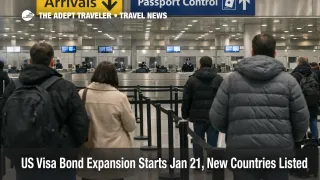
The U.S. State Department is widening its visitor visa bond pilot, making some U.S. bound trips more expensive and harder to route through preferred gateway cities. Travelers from an expanded set of passport countries who are otherwise eligible for a B1 or B2 visa can be required to post a refundable bond of $5,000, $10,000, or $15,000. If a bond is required, the traveler must also plan to enter and depart through only three designated airports, which can force extra domestic flights, longer layovers, and, in some cases, an overnight.
US visa bond expansion January 21 means more travelers will face both an upfront cash lockup and a narrower arrival plan, so trip feasibility now depends on visa interview outcomes and gateway routing, not just airfare and hotel pricing.
The updated State Department list brings the total to 38 countries, with 25 newly added countries taking effect on January 21, 2026. The bond amount is set during the visa interview, and applicants are instructed to post it through the U.S. Treasury's Pay.gov platform after a consular officer directs them to do so. Payment is not a guarantee of visa issuance, and paying outside official direction can create a non refundable mistake.
The operational constraint that changes itinerary planning is the required port of entry rule. As a condition of the bond, travelers must enter and exit through Boston Logan International Airport (BOS), John F. Kennedy International Airport (JFK), or Washington Dulles International Airport (IAD). If a traveler tries to arrive through a different hub, or departs in a way that is not properly recorded, it can lead to denied entry, complications proving compliance, or delays in bond cancellation.
Who Is Affected
This policy affects applicants for B1 and B2 visitor visas who hold passports issued by one of the countries on the State Department's visa bond list, and who are otherwise eligible for a visa but are directed to post a bond as a condition of issuance. It does not target Visa Waiver Program travelers who enter on ESTA, and it does not automatically apply to every applicant from a listed country, because the bond is imposed case by case during the interview.
The first order travel impact shows up before the trip is even ticketed. The bond requirement can turn a normal visa budget into a five figure cash commitment per traveler, which raises the risk of deferrals for families, tour groups, and price sensitive leisure trips that were already on the margin. Because the bond is set at interview, travelers may also have less certainty about total trip cost until late in the planning cycle, which can collide with advance purchase airfare, cruise final payment dates, and non refundable lodging deposits.
The second order ripple is a routing squeeze that pushes more international arrivals toward Boston Logan, JFK, and Washington Dulles, even when another hub would be the natural gateway for the itinerary. Concentrating demand into three airports can tighten seats on specific long haul city pairs, raise last minute fares, and increase misconnect exposure when travelers add a domestic leg to reach places like Florida cruise ports, West Coast family visits, or national park gateways. When arrival banks and domestic departures do not line up, the constraint also propagates into hotels around those gateways, adding unplanned overnights, late check ins, and higher local transport spend during irregular operations.
What Travelers Should Do
If you are applying for a U.S. visitor visa on a passport from a listed country, treat routing as part of your visa plan. Price your trip assuming you may need to arrive internationally into Boston Logan, JFK, or Washington Dulles, then build a buffer that can absorb a missed domestic connection, including an overnight option near the airport and a next day departure that still protects downstream reservations.
If the bond plus reroute cost forces major changes, set a clear rebooking threshold early. When the new plan requires an extra domestic flight segment in each direction plus a gateway hotel night, the combined cost and time can exceed the value of the original itinerary, and delaying travel, shortening the visit, or shifting to a different destination may be the rational choice rather than trying to rescue the original routing.
Over the next 24 to 72 hours, monitor the State Department country list for your passport and the practical constraints that follow from it. Track interview outcomes, bond instructions, and any airline schedule changes into Boston Logan, JFK, and Washington Dulles, then lock in onward connections only when you can keep daylight buffers and flexible change terms, especially if you are traveling during peak weekends or winter weather periods.
How It Works
The visa bond pilot is structured as a refundable security deposit that is imposed only after a consular officer finds an applicant otherwise eligible for a B1 or B2 visa. If the officer requires a bond, the amount is set at the interview, and the case is handled in a way that ties the visa issuance to the bond being posted through official channels. In practice, this inserts a new step between eligibility and a visa being issued, and it shifts some travel planning risk from airlines and hotels back onto the traveler's cash liquidity and documentation timeline.
Processing matters for trip timing. The temporary final rule establishing the pilot indicates the bond should be posted within 30 days of the interview, and visas issued under the pilot are intended to be valid for a single entry within three months of the date of visa issuance. It also indicates border officers will generally limit the period of admission for covered travelers to 30 days, which is a meaningful constraint for travelers who previously planned longer family visits, extended medical stays, or multi stop U.S. itineraries.
Compliance and refund mechanics are where the airport restriction becomes more than an inconvenience. The State Department frames the three designated airports as a way to reduce the chance of a departure not being properly recorded, which can delay bond cancellation. If the system does not show timely departure, travelers may need to prove they left on time, and the rule framework describes an option to work with consular officials outside the United States if a departure was not captured correctly.
This change also stacks with other entry related cost and friction trends that can influence destination choice. For background on the earlier January 1 expansion, and the entry airport constraint, travelers can reference US Visitor Visa Bonds Expand, Entry Airports Limited. For broader context on rising U.S. entry related charges and demand sensitivity, see Las Vegas Visitor Slump As New Visa Fee Starts.
Sources
- Countries Subject to Visa Bonds, U.S. Department of State
- Visas, Visa Bond Pilot Program (Public Inspection PDF)
- Pay.gov, Nonimmigrant Visa Bonds
- ICE Form I-352, Immigration Bond (PDF)
- US nearly triples list of countries whose citizens must post bonds up to $15,000 to apply for visas, Associated Press
- US adds more nations, including Venezuela, to costly visa bond policy, Reuters