

Amsterdam Conservatorium Hotel Rebrands As Mandarin Oriental
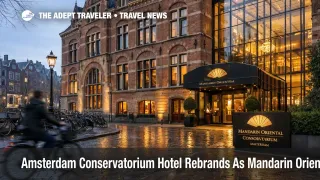
Mandarin Oriental has taken over management of the Conservatorium Hotel in Amsterdam, Netherlands, and the property is now operating as Mandarin Oriental Conservatorium, Amsterdam. Travelers with existing reservations, and anyone pricing spring and summer stays in the Museum Quarter, are the most immediately affected because confirmations, branding, and service delivery now sit under Mandarin Oriental standards. The practical next step is to recheck your reservation details, ask about the timing of phased room upgrades, and plan dining and spa bookings earlier than you might have under the prior flag.
Mandarin Oriental Conservatorium Amsterdam is now the name travelers should use when searching, booking, and confirming what is changing on property, including renovations, dining plans, and any stay offers tied to the rebrand.
Mandarin Oriental says the hotel will retain its local character and historic identity while adding the group's service approach, shaped by its dual Asian heritage. The company marked the change with a ribbon cutting attended by Mandarin Oriental executives, the hotel's general manager, and the owner family, signaling that this is a management and brand shift rather than a closure or a full reset.
On the product side, the most concrete near term changes are phased rather than disruptive. The lounge is set for a refresh with a stronger emphasis on afternoon tea while keeping its positioning as a public facing meeting place. Guest rooms and suites are scheduled to be upgraded in phases beginning with Deluxe Rooms, which is the detail that matters most for travelers who are sensitive to daytime noise, scaffolding, or temporary floor closures.
Who Is Affected
Travelers already holding reservations at the Conservatorium, especially those who booked under the prior name through an advisor, an OTA, or a corporate program, should expect visible brand changes across emails, folios, and onsite signage. In most cases, the stay itself should remain straightforward, but it is still worth confirming that your booked room category, any inclusions, and your cancellation terms did not shift when inventory moved into Mandarin Oriental systems.
Short break visitors building a Museum Quarter itinerary are also affected because the rebrand is paired with food and beverage momentum. Taiko Cuisine continues, and Mandarin Oriental says a Yotam Ottolenghi restaurant is planned for early 2026, with additional details expected in the first quarter of 2026. That combination can change how you schedule evenings, since high demand dining in Amsterdam often forces earlier booking decisions than the hotel stay itself.
Wellness focused travelers, and local members who use Akasha, should see continuity rather than disruption. Mandarin Oriental describes Akasha as a 1,000 square metre facility and the largest hotel spa in Amsterdam, and it is expected to keep welcoming both guests and members. The likely ripple is demand, as rebrands tend to produce a short term curiosity bump that can compress appointment availability on weekends and around holidays.
There is also a travel system layer beyond the building. A high profile luxury rebrand can pull incremental demand into a neighborhood, which tightens availability not only at the hotel, but also at nearby restaurants, museums, and premium car services during peak dates. For fly in travelers using Amsterdam Airport Schiphol (AMS), the rebrand itself does not change airport operations, but it can shift your planning math by raising the value of buffer time, especially if you want to arrive, settle, and still secure timed museum entries and dinner reservations on the same day.
For travelers who like to pressure test lodging resilience, the bigger takeaway is that brand and management shifts can change who holds the operational levers when something goes sideways, like a maintenance issue, a missed housekeeping cycle, or a reaccommodation request. If you want a framework for evaluating stability when an operator or distribution model changes, What Sonder's Collapse Means for Apartment Hotels is a useful lens, even though this Amsterdam move is not a distress scenario.
What Travelers Should Do
If you are staying in the next one to three months, reach out now and ask two concrete questions, whether your room is in a block scheduled for the first phase of upgrades, and what hours any in room work is permitted. Then add a simple buffer, request a room away from work zones, and plan a quiet fallback workspace if you are traveling with calls, or a nap sensitive schedule.
If you are deciding whether to book now or wait, the decision threshold is tied to your tolerance for minor disruption and your price sensitivity. If you need guaranteed quiet, or you are traveling for a once in a lifetime occasion, choose a fully refundable rate and be willing to switch properties if renovation timing lands on your dates. If you are flexible and value the rebrand opening energy, booking earlier can make sense, but only when you have cancellation terms that protect you if the upgrade schedule shifts.
Over the next 24 to 72 hours, monitor for three signals that affect your on property experience. First, watch for a published timeline for Deluxe Room upgrades, since that is the clearest indicator of where daytime work will concentrate. Second, watch for the Ottolenghi opening details promised in Q1 2026, because once a date window appears, dining demand and package marketing typically accelerate. Third, track whether new stay offers require specific booking channels or minimum nights, so you can compare value without losing flexibility.
Background
A management takeover with a rebrand is a common hotel industry playbook that changes the operating standards, distribution channels, and loyalty or advisor ecosystem, while keeping the underlying asset in place. In this case, Mandarin Oriental is positioning the Conservatorium as its first hotel in the Netherlands, which matters because brand entry markets often receive outsized attention, training investment, and early marketing pushes.
For travelers, the first order effects show up in the booking layer and the guest experience layer. At the source, the hotel name changes in search results and booking engines, service rituals and staffing expectations align to the new operator, and soft product updates, such as lounge positioning and room refresh cadence, become part of the on property story.
The second order ripple shows up across trip planning and neighborhood capacity. When a landmark property refreshes public spaces and adds a headline restaurant, it can pull more non guests into the building, which changes lobby and lounge dynamics at peak times and can compress reservations for spa and dining. It can also influence the competitive set, as nearby luxury and lifestyle hotels adjust rates, offers, and minimum stays in response, especially around major museum exhibitions and spring travel peaks.