

Australia Summer Airport Delays Disrupt Flights Nationwide
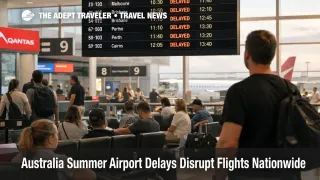
Australia's peak summer travel season continues to strain airport and airline operations nationwide, with flight delays and cancellations persisting beyond isolated disruption days. Multiple airlines report cascading impacts across their networks, leaving thousands of passengers delayed or rebooked without firm recovery timelines. Travelers moving domestically or connecting internationally through Australia are being urged to allow additional buffer time and prioritize flexible fares as operational pressure remains elevated.
The Australia summer airport delays reflect sustained congestion and recovery challenges rather than a single trigger event. Airlines are working through rolling backlogs that rebuild daily, making schedule reliability uneven even when weather conditions improve.
Who Is Affected
Passengers flying with Qantas, Jetstar, and several regional carriers are directly affected. The disruption is most visible at major gateways including Sydney Kingsford Smith Airport, Melbourne Airport, and Brisbane Airport, where high passenger volumes amplify any delay.
International travelers transiting through Australia face added exposure. Missed domestic feeder flights can cascade into lost long haul connections, overnight hotel costs, and limited same day rebooking options due to full summer loads.
What Travelers Should Do
Travelers with upcoming trips should increase connection buffers immediately. Domestic to international connections should allow several additional hours, particularly when itineraries involve separate tickets or different carriers.
Decision making should hinge on schedule flexibility. If travel is discretionary, shifting departures to earlier morning flights or less congested days can materially reduce risk. Where travel cannot move, travelers should proactively reprice to flexible or refundable fare classes if the cost difference is reasonable.
Over the next 24 to 72 hours, monitor airline operational updates closely. Watch for aircraft rotations slipping earlier in the day, crew displacement notices, and rolling waiver policies that may open brief no fee change windows.
Background
Australia's summer peak combines school holidays, international inbound demand, and compressed airline schedules that leave little slack in the system. When delays occur at major hubs, aircraft and crews fall out of sequence, limiting recovery capacity the following day.
First order effects appear at the source airports as departure queues, gate congestion, and rolling cancellations. Second order impacts ripple quickly into regional networks, where fewer spare aircraft exist, and into international services when domestic feeders misalign. Hotels near major airports often see short notice demand spikes from stranded passengers, while onward ground transport, including rental cars and airport transfers, tightens during recovery periods.