

United MileagePlus Changes, What Members Should Watch
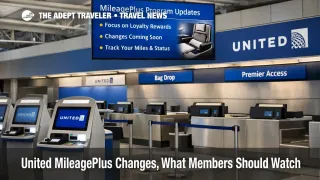
United Airlines has confirmed it is preparing structural changes to its MileagePlus program, framing the shift as a move toward deeper loyalty rather than short term rewards tactics designed to pull in new members. The carrier's commercial leadership described MileagePlus as a low churn program where members and co branded credit card holders tend to stay for long stretches, and said United intends to lean into that advantage. For travelers, the practical takeaway is not that anything has changed today, but that the rules, perks, and value math you use to plan redemptions and credit card strategy could be revised soon, with United signaling more detail in the next 10 to 12 weeks.
United used its earnings call discussion to draw a line between a loyalty program and a generic rewards program, arguing that other issuers rely on constant bonus offers that encourage card switching, while United can focus on travel as the core payoff. Executives pointed to aspirational travel redemptions, including premium cabin awards, as the kind of reward MileagePlus members value, and implied the redesign will aim to make the program "stickier" while accelerating growth.
Who Is Affected
MileagePlus members are affected first, especially travelers who hold large mile balances, routinely redeem for premium cabin awards, or depend on upgrade instruments and elite benefits to make tight itineraries workable. Any structural change can alter the relative value of earning methods and redemption options, even if published award prices do not immediately move, because availability, upgrade eligibility, and benefit stacking often matter as much as the headline mileage cost.
United's co branded credit card customers are a core focus of the announced direction. Executives explicitly tied the planned loyalty emphasis to United's credit card portfolio, and United and Chase are still marketing large sign up bonuses on premium cards, which underscores why travelers should watch for a pivot from acquisition incentives to retention perks.
The change also comes with a leadership reset. United has hired Jarad Fisher, with a background spanning Apple Card and Delta's SkyMiles program, to lead MileagePlus starting February 2, and United has indicated current MileagePlus leadership departures in the same window. Leadership changes do not guarantee a member facing devaluation, but they are a reliable signal that the program's strategy, and the product roadmap behind it, is being rewritten.
What Travelers Should Do
If you have specific, high value redemptions you already know you want, price them now, and consider booking earlier rather than later, especially if your dates are flexible and your fare rules allow reasonable change options. Avoid irreversible moves, like transferring bank points into MileagePlus, until United publishes concrete details, because transfers typically cannot be undone and are often where travelers get trapped when program rules shift.
If you are deciding whether to open, close, or change a United co branded credit card, treat the next couple of months as a watch window rather than a rush window. A decision threshold that usually works is this, if the card is currently net positive for you on lounge access, checked bags, or your normal annual spend, keep it steady, but if you are only holding it for a one time bonus, wait to see whether United introduces richer long term earning, retention, or elite adjacent perks that change the math.
Over the next 24 to 72 hours, monitor United's investor and customer communications for any hints beyond the earnings call framing, then keep a weekly check for a formal MileagePlus announcement through early April 2026. Also watch for parallel updates to upgrade tools and elite benefit rules, because United has already been making changes around how upgrades and award tickets interact in 2026, which is the area most likely to reveal what "travel first rewards" means in practice.
Background
MileagePlus sits at the center of United's travel ecosystem because it influences how travelers choose flights, how they route connections, and how they value United versus competitors when prices are close. When a loyalty program shifts, the first order effect is on the earning and redemption incentives that drive booking behavior, including whether members chase elite status, whether they save miles for premium cabin awards, and whether they concentrate spend on a co branded card.
Second order ripples show up across the travel system. On the airline side, a stickier loyalty design can change upgrade demand and the availability of premium cabins for awards, which can affect how quickly premium inventory clears and how many seats remain for last minute cash upgrades. On the credit card side, a push toward retention can reweight benefits toward cardholders who keep accounts long term, which often shifts value away from sign up bonuses and toward recurring perks, thresholds, or elite adjacent accelerators. Across partners, any program redesign can change how attractive it is to earn miles through rideshare, hotels, shopping portals, and other non flight activity, which influences where travelers route everyday spend and how quickly they can build balances for travel focused rewards.
United's executives have framed the upcoming work as a differentiation play, arguing that MileagePlus members and credit card holders are less likely to churn than typical rewards customers, and therefore the airline can focus on rewards that point back to United travel, rather than constant new member incentives. That framing suggests the most important details for travelers will be the mechanics, what new benefits are gated to long term behavior, what changes for elites and upgrades, and whether award pricing or availability patterns shift as United tries to grow the program faster without relying on bonus driven churn.
Sources
- Earnings call transcript: United Airlines beats Q4 2025 EPS forecast, stock rises By Investing.com
- United Airlines Distinguishes Between Loyalty, Rewards Programs
- United: Corp. Demand Outlook 'Amazing' After January Bump
- United taps former Apple, Delta executive to lead MileagePlus
- The New United Club Card
- United won't hike Premier status requirements in 2026, but announces big upgrade, PlusPoints changes