

Tohoku Cherry Blossom Shinkansen Route From Tokyo
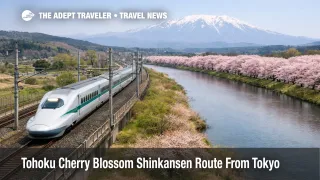
Cherry blossom planning in Japan is no longer just a Tokyo and Kyoto story, because the best timing for many travelers now stretches deeper into spring as you head north. In the Tohoku region, blooms often arrive later than the capital, and they can continue into late April and early May, depending on the year and how far north you travel. For travelers who want to extend their sakura window, the practical change is that you can follow the bloom line by rail, using Shinkansen trunks to leap between cities, then short local connections to reach parks, castle ruins, riverbanks, and a few iconic single trees. JR East actively promotes this kind of multi stop planning for Tohoku in spring, including guidance on sakura themed travel and rail access.
The core advantage of building a northbound itinerary is flexibility. If conditions push blooms earlier in one prefecture, you can prioritize higher latitude stops, or shift a day to focus on a site that is resilient to timing, such as castle parks with many trees, where "good enough" often lasts longer than it does for a single famous tree. The tradeoff is that you must treat rail seats and last mile access as first class planning items, because peak weeks can compress both. JR East's own reservation platform is one of the simplest ways to reserve trains in its service area when you know your travel days.
Who Is Affected
This routing approach is most useful for travelers who have already seen Tokyo's peak, travelers who arrive in Japan later in spring, and travelers who want a calmer alternative to the most crowded core corridor days. It is also a strong fit for advisors planning for clients who prefer rail over domestic flights, because the Shinkansen network makes it realistic to sleep in one city, see blossoms in the morning, relocate midday, then take an evening illumination elsewhere without burning a full day in transit.
However, the same rail connectivity that makes this plan easy also concentrates demand. When hotels in a few hub cities fill, you may be forced into longer commutes, which can erode the benefit of chasing timing. That risk increases at destinations with a constrained footprint, like Miharu Takizakura, where access is limited and seasonal transport may run only during peak viewing, often with congestion warnings.
The eight stops below work as an itinerary set because they map onto Shinkansen corridors and major regional rail nodes, while offering different "shapes" of blossom viewing. Some are dense parks with thousands of trees, some are historic streets lined with weeping cherries, and a few are single frame compositions that depend on weather and visibility.
What Travelers Should Do
Start by fixing your overnight bases, then build day trips and half day relocations around them. A practical pattern is Tokyo to Fukushima, then Sendai, then Morioka, then Aomori, with optional side loops to Akita, Niigata, and Nagano if your dates and lodging allow. Reserve your long distance seats as soon as you commit to travel days, then leave local legs flexible, because bloom timing inside the same region can move by several days year to year.
Decide in advance what would trigger a re plan. If your must see item is a single tree, like Miharu Takizakura, treat bloom uncertainty like a weather risk, and set thresholds such as "shift the visit by one day if local updates say 30 percent bloom or less," or "skip if access roads are gridlocked and you would miss the next rail connection." For big parks like Hirosaki, you can be more tolerant, because partial bloom still delivers strong scenery, and petals on moats can be a feature rather than a disappointment when conditions are right.
In the final 24 to 72 hours before each stop, monitor three things: bloom status updates from local tourism sources, any seasonal shuttle or traffic advisories for rural sites, and illumination timing if you are planning a night visit. This is where Tohoku can reward careful pacing, because a short shift in departure time can change your experience more than a short shift in destination, especially at high profile parks that attract day trippers.
Background
A workable Tohoku sakura itinerary is less about listing famous names and more about understanding how rail, crowds, and daylight interact. The Shinkansen provides the backbone, but most blossom sites sit one or two layers beyond it, and that last mile is where plans break. Miharu Takizakura is a clear example: it is celebrated as an individual tree and it can draw intense demand, yet it sits in a rural setting where public transport is limited outside the peak period, and seasonal buses may be temporary and timing bound.
Castle parks and urban districts propagate stress differently. Hirosaki Park's scale and density distribute visitors across many viewpoints, but that also means you may spend more time navigating entrances, moats, and foot traffic. Kakunodate's samurai district is built for strolling, yet it funnels people into a smaller street grid, with the festival period typically spanning mid April into early May, which can overlap peak rail demand across multiple prefectures.
If you want a simple eight stop set that stays realistic by rail, these are strong anchors, with what to know about each. Miharu Takizakura, Fukushima Prefecture, is a single weeping cherry often described as around 1,000 years old, and it is the kind of stop where arriving early matters because congestion can build quickly. Hirosaki Park, Aomori Prefecture, is a large castle park famous for mass bloom and moat scenery. Kakunodate, Akita Prefecture, pairs preserved samurai streets with weeping cherries, and it is commonly promoted as a festival destination across a defined seasonal window. Koiwai Farm, Iwate Prefecture, is known for a lone cherry tree framed by Mount Iwate, a stop where visibility and snow conditions can define the photograph as much as bloom. Hitome Senbonzakura, Miyagi Prefecture, runs along the Shiroishi River for about 8 kilometers, which means you should plan your entry point and your exit station before you arrive, especially if you want to catch the best light.
For the "snow peak backdrop" concept in Yamagata Prefecture, the most dependable way to keep this verifiable is to target viewpoints around Nishikawa with Mount Gassan in the landscape, where local scenic guidance explicitly calls out spring cherry blossoms with lingering snow and mountain views. Takada Castle Site Park, Niigata Prefecture, is widely described as a top night viewing location, with large scale lantern and illumination ambiance, so it can be a deliberate evening stop after a daytime rail move. Ueda Castle Park, Nagano Prefecture, adds a different castle setting and a known spring blossom draw, making it a logical add on if you are using Nagano as a gateway to onsen nights and you want a park day without backtracking far.
Through all eight, the travel system ripple is consistent. When bloom timing compresses demand into a short window, Shinkansen trains fill, hotels tighten in hub cities, and last mile transport becomes scarce at the exact times travelers want it. The planning move that fixes most of this is building slack into each day, even if it means seeing fewer sites, because the quality of the visit often comes from timing and pacing more than from the count of stops. JR East's spring sakura materials and its reservation system are useful starting points, but the final decisions should come from the prefecture and city level updates closest to the ground.
Sources
- A Sakura Seeker's Paradise, JR EAST
- Explore Iconic Sakura Spots in Tohoku by Shinkansen, JR EAST
- JR EAST Train Reservation
- Miharu Takizakura, Fukushima Travel
- Miharu Takizakura, japan guide
- Hirosaki Cherry Blossom Festival Information, Hirosaki City Tourism
- Kakunodate Cherry Blossom Festival, Tazawako Kakunodate Official Travel
- Hitome Senbon Zakura About
- A Single Cherry Tree at Koiwai Farm, Koiwai Farm
- Takada Castle Site Park, Enjoy Niigata
- Ueda Castle Park, Ueda Official Tourism
- Oisawa Riverside Cherry Blossoms, Gassan Asahi Tourist Association
- Kamishima Bridge Viewpoint With Mt. Gassan, Yamagata Prefecture