

UK ETA Now Mandatory for U.S. Travelers in 2026
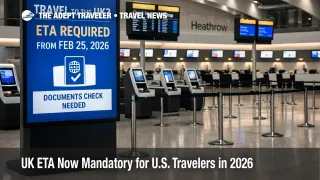
The United Kingdom is now enforcing its Electronic Travel Authorisation, commonly called an ETA, as a mandatory pre travel step for most visa free visitors, including U.S. passport holders, from February 25, 2026. The practical change is not at the UK border desk, it is at check in and boarding, because carriers can block travel if they cannot verify an approved ETA linked to the passport being used. Travelers who treat the UK as "passport only" for short trips are the ones most likely to get caught, especially families, mixed passport groups, and anyone transiting through the UK with a plan that could become landside during disruptions.
UK ETA Requirement: What Changed on Feb 25
From February 25, 2026, visitors from 85 visa free nationalities must have an approved ETA before they travel to the UK, or they risk being refused boarding. The Home Office has framed the program as a digitized permission layer that helps screen travelers before they enter the transport network, and it is being enforced upstream through airlines, rail, and ferry operators rather than left as a solvable problem after arrival.
For travelers, this turns the ETA into a trip critical task with a hard failure mode. If the airline's document check cannot match an approved ETA to the passport you present, you can lose the flight, and then the rest of the itinerary can unravel, hotel nights, tours, rail segments, and events that were timed around a fixed arrival. This enforcement shift is why the story matters operationally, even for travelers who have visited the UK many times without a visa.
For related coverage on how the enforcement shows up at the airport counter, see UK ETA Enforcement Feb 25 Blocks Boarding.
Who Must Get a UK ETA Before Travel
Most short stay visitors who do not need a UK visa now need an ETA instead, including travelers from the United States, Canada, and many European countries. The ETA costs £16.00 (GBP) and is applied for online through GOV.UK or through the official UK ETA app. It is a permission to travel, not a visa, and it does not guarantee entry, UK Border Force can still refuse admission on arrival.
The main exceptions are also where travelers make the most expensive mistakes. British and Irish citizens do not need an ETA, and dual British citizens cannot get one, which means they need to travel on acceptable proof of citizenship or right of abode instead of trying to "solve it" with an ETA. People who already have permission to live, work, or study in the UK are typically outside the ETA requirement because they travel on their existing immigration status.
Transit needs careful handling because the internet version of the rule is often oversimplified. The Home Office guidance says travelers who transit and pass through UK border control need an ETA, while some airside transits, where you do not go through passport control, are treated differently, including specific handling for Heathrow and Manchester in current guidance. The traveler takeaway is that "it is just a connection" is not a strategy, especially during delays or cancellations that can force a landside recheck and a passport control step you did not plan for.
For a broader UK document checklist beyond the ETA, see UK Entry Requirements For Tourists In 2026. If you are a dual national who might be in the "cannot get an ETA" bucket, also see UK Dual Nationals Passport Rule Starts Feb 25.
What Travelers Should Do Before Departure
Apply for the ETA as soon as you have a firm passport in hand, because the approval is digitally linked to that passport, and passport swaps are where groups get burned. If you renew a passport after booking, treat that as a trigger to recheck every document validation step, including the airline's "travel ready" status, because the carrier is the enforcement point, and the counter agent may not be able to fix a mismatch quickly on departure day.
Use a simple decision threshold. If you are within 72 hours of departure and you have not applied, or you applied and do not have a decision yet, assume you may not be allowed to board, and protect the rest of the trip. That can mean moving to a later flight, rerouting to reduce connection risk, or shifting the UK segment later so you do not strand non refundable hotels and onward bookings. The first week of full enforcement is when airline counters see the most confused travelers, and that is when processing time and denied boarding risk tend to spike.
If you are transiting the UK, plan like an operator. Build buffer so you are less likely to be forced landside during irregular operations, and verify whether your itinerary requires passing through UK passport control. If there is any chance you will need to clear passport control to make the connection, treat the ETA as required, because the downside is missing the onward flight and potentially losing the rest of the itinerary.
Why Carriers Enforce the ETA at Check In
The ETA program is designed to push screening earlier in the journey, before a traveler enters the transport network. That changes the travel system's failure point from "border conversation" to "boarding permission," which is why travelers are hearing about denied boarding, not just longer lines on arrival.
This setup creates predictable second order effects. First order, check in transactions take longer because more passengers need document checks and exceptions are harder to resolve under time pressure. Second order, missed departures spike rebooking demand into the next flights, raising fares, reducing same day options, and increasing forced overnights at gateway cities. Third order, when counters back up, travelers miss bag drop cutoffs and security windows, which creates more misconnects, and more counter work, a feedback loop that makes the first days of enforcement feel worse than the steady state.
The UK government's own messaging points to the intent, stop higher risk travelers before they arrive, and digitize the border process for everyone else. For travelers, the correct mental model is simple: the airline is the gatekeeper, and the ETA is a required input for many passport holders, so you want the approval done and matched to the correct passport well before you get to the airport.
Sources
- Get an electronic travel authorisation (ETA) to visit the UK
- Electronic Travel Authorisation (ETA) factsheet, February 2026
- No permission, no travel: UK set to enforce ETA scheme
- UK to enforce travel permit requirement on foreign visitors
- Important changes to UK entry requirements as of February 25, 2026