

AmaWaterways Fleet Upgrades Add Luxury for 2026
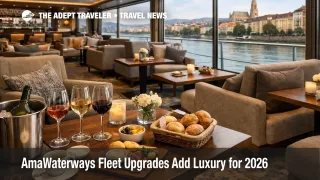
AmaWaterways fleet upgrades are rolling into the 2026 river cruise season with a clear aim, make the onboard experience feel more consistently upscale across ships, not just on the newest hardware. The updates span cabins, dining, lounges, and beverage service, including Marie Stella Maris bathroom amenities, a new onboard retail partnership with Laura Geller products in gift shops, Italian lunches in Chef's Table venues on most ships, and new signature dinners curated by culinary director Chef Robert Kellerhals. Travelers deciding between similar seven night Europe itineraries should treat this as a "product consistency" move that can matter as much as the ports when schedules look interchangeable on paper.
AmaWaterways Fleet Upgrades: What Changed for 2026
The most practical changes are the ones guests touch every day. In cabins, AmaWaterways says upgraded soft goods and comfort cues are coming fleetwide, plush linens plus bathrobes and slippers, with Marie Stella Maris amenities in bathrooms. That is a small sounding change that becomes noticeable on river cruises because days are routine driven, you return from excursions, you shower, you reset, and you repeat, so comfort consistency stacks night after night.
On the food side, the headline is more variety without adding decision friction. AmaWaterways is introducing Italian lunches in the Chef's Table restaurant on most ships, and adding signature dinners curated by Chef Robert Kellerhals. If those inclusions land as described, they make it easier to stay onboard for a quality lunch on a port intensive day without feeling like you are settling for the default venue.
Lounges are also being repositioned. AmaWaterways is renaming the main lounge concept to The Lark and adding an all day menu approach, which signals the line wants the lounge to function as a reliable daytime option, not only a pre dinner gathering space. Beverage service is also getting attention, with reports that the complimentary wine selection expands to more than 30 reds, whites, and rosés per sailing, alongside premium bottles available for purchase.
Who These Upgrades Fit Best, and Who Will Notice
These upgrades matter most for travelers who pick river cruises based on the onboard experience as much as the itinerary. If you are the kind of traveler who cares about sleep quality, linens, shower experience, lounge comfort between tours, and dining variety on "easy days," you are the target for this push. That is especially true for repeat river cruisers who already know that many European river itineraries share similar marquee stops, and the differentiator becomes how the ship feels during the in between hours.
They also matter for comparison shoppers choosing between AmaWaterways and more overtly luxury positioned lines. The point is not that linens, toiletries, and a new lunch program redefine a brand overnight. The point is that they remove little annoyances, and they raise the baseline so that a traveler is less likely to feel they booked "the wrong ship" within the same brand. That is consistent with AmaWaterways framing this as part of broader momentum around brand presentation heading into 2026. For background on that positioning shift, see AmaWaterways Rebrand: New Logo and Website for 2026.
What Travelers Should Do Now Before Booking or Boarding
Start by confirming what is actually deployed on your specific ship and sailing. "Fleetwide" often means phased, and river cruise fleets include ships of different ages, layouts, and refurb cycles. Before you plan packing, skincare needs, or dining expectations around the upgrades, ask your travel advisor or the line to confirm whether your sailing includes the Marie Stella Maris amenities, the Chef's Table Italian lunch, The Lark lounge and its all day menu, and the expanded wine lineup.
Use a simple decision threshold if you are still shopping. If two itineraries are otherwise similar, pick the sailing where the upgraded onboard program is confirmed in writing, especially if you have tight travel constraints that make ship comfort more valuable, for example early mornings, long walking tours, or a preference to dine onboard rather than scramble for lunch ashore. If the upgrades are not confirmed for your ship, do not pay a premium based on marketing language alone, instead, weigh itinerary, cabin category, and embarkation logistics first.
Finally, monitor how the line describes these changes over the next few weeks, because the most useful details tend to emerge in operational specifics, which ships get what, which venues are "most ships" versus "select ships," and whether any inclusions vary by region. If you want a deeper explainer lens on how river lines differentiate when ports look similar, Explore Europe's Best: Top 5 River Cruise Lines Reviewed provides a baseline comparison framework you can reuse while shopping.
Why This Upgrade Strategy Matters in River Cruising
River cruising is unusually sensitive to "small" onboard changes because the product is repetitive in a good way. You wake up, you tour, you return at roughly the same time as everyone else, and you cycle through the same venues daily. That means soft goods, bathroom amenities, and lunch options can produce outsized satisfaction shifts compared with ocean ships where you may have many more venues and a less synchronized daily flow.
There is also a capacity mechanism at work. River ships have fewer venues and less spread out demand than mega ships, so bottlenecks show up quickly around peak hours. Adding an onboard lunch concept in Chef's Table, and strengthening a lounge as an all day fallback, is one way to reduce pressure on a single dining room at exactly the hours when guests are most likely to want a quick, predictable meal. Even if you never use the lounge menu, the existence of an additional default option can improve overall flow.
Finally, this reads as a brand consistency play. AmaWaterways is pairing a refreshed brand presentation with tangible onboard touchpoints, which is a common way travel brands try to make "new look" feel real to guests. Whether that translates into a meaningfully more luxury experience depends on execution onboard, but the direction is clear, more premium cues, more dining variety, and more structure around how guests spend time between ports.