

Port Vila Cruise Calls Canceled, Shore Plans at Risk
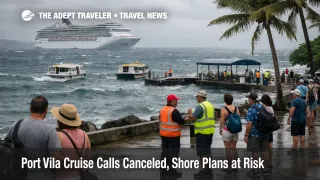
Cruise itineraries calling at Port Vila, Vanuatu, are seeing short notice cancellations when weather and harbor safety conditions make docking or tendering unreliable. For travelers, the consequence is simple but expensive: a planned shore day can turn into a sea day with only hours of warning, and independent tours can become a paperwork problem instead of a vacation highlight. The risk is elevated in the South Pacific wet season window, when strong winds and swell can shut down small boat operations even if the ship itself can safely remain offshore. A recent example is Carnival Luminosa missing its planned Vila call after onboard guidance cited strong winds and swell tied to a developing low pressure system.
One practical detail matters more in Port Vila than in many pier dock ports. The destination has been operating with tender workarounds in the wake of infrastructure impacts from the December 2024 earthquake, which makes sea state and visibility more decisive than they would be at a fully restored berth. If you are building your day around a private driver, a third party tour, or a timed activity, treat Port Vila as a conditional stop until the morning you arrive, not a guaranteed appointment. For background on the tender setup and why Port Vila calls can be more sensitive than they look on a brochure itinerary, see Vanuatu Confirms Port Vila Cruise Calls On Track.
Port Vila Cruise Call Cancellations, What Changed For Travelers
The current pattern is not a long term shutdown of Vanuatu cruising. It is day of call decision making driven by operational safety limits, especially when wind, swell, or heavy rain makes tendering unsafe or makes ship handling at the harbor margin too tight. When that threshold is crossed, the most common outcome is a skipped call and an added sea day, because the ship still has to protect the rest of the itinerary and fuel plan.
Travelers should interpret "canceled on safety grounds" as a specific operational statement, not a vague excuse. In the Carnival Luminosa case, onboard messaging described strong winds and swell expected at Vila as the reason the port could not be safely served. That aligns with how Port Vila actually works right now: if tender boats cannot run safely, the ship cannot deliver thousands of passengers ashore at the required pace, and the day collapses quickly.
Official weather channels in Vanuatu were also issuing current conditions and warnings in the same time window, which is a reminder that the most useful signal is often marine conditions, not just rainfall totals. The Vanuatu Meteorology and Geohazards Department posts national forecasts and current warnings that can help you judge whether a tender port day is trending safer or worse.
Which Cruise Travelers Are Most Exposed In Port Vila
The highest exposure group is anyone who built a Port Vila day around an independent shore plan that cannot easily slide. Private snorkel charters, long island loops, waterfall combinations that require a specific departure time, and any tour that relies on being on one of the first tenders are the plans most likely to break when tendering slows or stops.
A second exposure group is travelers who assumed Port Vila would be a provisioning or "must do" day and spent money in advance based on that assumption. When a call is canceled, ship sponsored excursions are usually the cleanest to unwind, because the cruise line controls the booking, the cancellation, and the refund pipeline. Independent bookings vary widely, and some operators treat cruise related cancellations as force majeure while others will credit you for a future visit if your ship returns in another season.
The third exposure group is anyone stitching Port Vila into a broader land plan in Vanuatu, either before the cruise or after it, and using the port call as a key transport or shopping day. Even when the ship does not disembark passengers in Port Vila, the same weather pattern that kills tendering can also degrade local road reliability and small boat movement, which means a pre cruise stay can become more complicated if you were counting on specific excursions.
Finally, seasonality matters. South Pacific cyclone season runs through the core summer months, and even non cyclone lows can produce the swell and wind profile that cancels tender ports. If you are choosing dates for next season, the risk tradeoff is worth pricing in early. Vanuatu, New Caledonia Cyclone Season Raises Cruise Risk is a useful baseline for how often this region's itineraries get reshuffled between November and April.
What Travelers Should Do Now To Protect Shore Plans
Treat Port Vila as a flexible day until you see tender conditions confirmed onboard. If you booked a third party tour, message the operator before arrival and ask two specific questions: what is the latest acceptable meeting time if tendering starts late, and what is the refund or credit policy if the ship skips the port entirely. If the answers are vague, assume you are carrying the risk, and downgrade the plan to something you can cancel without a fight.
Use a buffer rule that matches tender reality. If your ship is tendering, do not book anything that requires being back onboard within the final 90 minutes before all aboard time. That buffer sounds conservative, but it is the difference between a relaxed return and a sprint when tender queues back up, rain picks up, or the captain accelerates departure to avoid worsening seas.
Prefer ship sponsored excursions when the weather trend is uncertain, not because they are "better," but because they are operationally protected. The ship controls the tender priority, can hold departure for late tours in a way it will not for private tours, and usually auto refunds excursions that cannot run. Cruise Hive's reporting on the Carnival Luminosa change explicitly notes the standard approach: ship booked excursions are automatically canceled and refunded if the call cannot be rescheduled.
If Port Vila is your marquee day, the decision threshold is simple. If marine warnings, strong winds, or swell are being highlighted within 24 to 48 hours of arrival, plan emotionally and financially for a skip, and move your "must do" activity to another port or another trip. If you want a deeper framework for how cruise operators think about itinerary protection when conditions turn, the mechanism is similar across cruise categories: protect the ship, protect the rest of the voyage, then unwind the shore product stack. The logic is laid out well in an adjacent context piece, The 2025 European Heatwave's Impact on River Cruises, even though the trigger there is water levels rather than sea state.
Why Port Vila Calls Can Cancel With Little Notice
Port calls fail in two main ways. The ship cannot safely approach and maneuver, or the ship can safely approach but cannot safely run the passenger transfer system. Tender ports are exposed to the second failure mode. You can have a ship sitting safely offshore while small boats are being tossed around enough that loading becomes unsafe, slow, or both. When that happens, the port day does not degrade gently, it snaps, because the math of moving thousands of people on small craft breaks quickly.
Port Vila's current operating posture increases sensitivity to this. Post earthquake recovery has meant more reliance on tendering and temporary arrangements, which puts more weight on wave height, wind, visibility, and the consistency of conditions across the day, not just at the arrival hour. That is why you may hear ship announcements that the harbor is "open" but the call is still canceled, because "open" is not the same as "workable at scale."
The most traveler useful takeaway is that you do not need a named cyclone for Port Vila to be at risk. A developing low pressure system is enough if it builds the wrong swell direction or pushes winds high enough to make tendering unsafe, as the Carnival Luminosa example shows. Your best protection is to plan shore days that can collapse without wrecking the rest of your trip, and to avoid prepaying for activities that assume perfect tender timing.