

Hassler Roma Refurbishment Reopens Historic Hotel
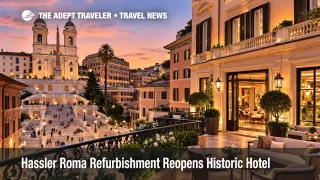
Hassler Roma refurbishment moved into public view in early March 2026, when the landmark Rome, Italy, hotel reopened after a two month closure with refreshed lounges, a renovated garden area, and a reworked Imàgo restaurant. For luxury travelers booking Rome stays this spring and summer, the immediate value is not a brand new hotel, but a historic one that now trades on updated public spaces while a larger wellness addition is still ahead. The main planning point is simple, guests can book the restored property now, but anyone choosing it primarily for spa time should treat late 2026 as the bigger milestone. The hotel has stood at the top of the Spanish Steps since 1893, which makes this first full refurbishment more than cosmetic, it changes how one of Rome's best known luxury addresses competes with newer entrants.
The Hassler Roma refurbishment matters because it gives travelers a clearer split between what is already available and what is still coming. Early works include the ground floor corridor, lounges, garden, and the Michelin starred Imàgo, while a new spa carved beneath the Spanish Steps is planned for late 2026. In practical terms, that means the property is already selling a refreshed arrival and dining experience, but its next booking catalyst will likely be wellness, not just heritage or location.
Hassler Roma Refurbishment: What Changed
What changed first is the guest experience in the shared spaces. Travelers arriving now should expect renewed public rooms and a refreshed food and beverage identity, especially at Imàgo, the hotel's panoramic Michelin starred restaurant. That matters because many luxury Rome stays are sold as much on atmosphere, dining, and sense of place as on room count alone, and the Hassler is using this phase of the project to modernize those touchpoints without abandoning the heritage positioning that comes from its Spanish Steps address.
The next major change is still pending. The hotel says a new spa will open in late 2026, which creates a second decision window for travelers. Book now if the draw is classic Roman luxury, location, and dining. Wait for more detail if the stay depends on a full wellness program, because the current on site wellness offer exists, but the bigger new spa product has not opened yet.
Who Benefits Most From the Refit
This reopening fits travelers who want old guard Rome rather than a design forward newcomer. The Hassler has 87 rooms, including 21 suites, and its appeal remains strongest for guests who care about service tradition, a high profile hilltop setting, and quick access to the Spanish Steps, Via Condotti, and central Rome's luxury shopping and sightseeing core. That makes it a strong fit for celebratory trips, high end city breaks, and travelers who want a heritage property that still feels active in the current luxury market.
It is a weaker fit, at least for now, for travelers whose shortlist revolves around a new generation spa program or a fully reset room product across the whole hotel. The current news is centered on restored common areas and Imàgo, not a complete repositioning of every room and suite. That distinction matters, because "refurbished" can mean very different things in luxury hospitality, and here the clearest confirmed benefits are in shared guest spaces and the dining experience.
How To Book Around the Next Phase
Travelers considering a 2026 Rome stay should make the booking decision based on the part of the project that is already open. If the priority is staying at a famous address with refreshed public rooms and a strong restaurant story, the hotel is now a cleaner buy than it was before the closure. If the trip is spa led, or if wellness facilities are the deciding factor between this property and another Rome luxury hotel, it makes more sense to monitor for the late 2026 spa launch details before locking in a stay around that feature.
There is also a practical pricing angle. Historic luxury hotels often use phased upgrades to sharpen rate power before the full project is complete. That does not guarantee immediate increases, but it does mean travelers who value the Hassler's refreshed common spaces may benefit from booking before the spa opening adds another sellable headline feature. On the other hand, guests who do not care about heritage positioning may want to compare this stay against newer Rome luxury inventory that already offers more contemporary wellness or room design. That is the main tradeoff inside this Hassler Roma refurbishment story.
Why This Upgrade Matters in Rome
The mechanism here is competitive, not operational. Rome's luxury hotel market keeps adding or upgrading high end inventory, so a legacy property cannot rely on history alone. The Hassler's answer is to protect what made it famous, its Spanish Steps perch, family ownership, and long social history, while selectively improving the spaces that most shape guest perception on arrival and over dinner. First order, that refreshes the hotel's immediate guest appeal. Second order, it gives the property a stronger platform for the late 2026 spa opening, which could widen its relevance beyond heritage loyalists and dining focused guests.
That history still matters. The hotel's own timeline says the property opened in 1893 after Alberto Hassler bought and renovated the buildings on Piazza Trinità dei Monti, and the Wirth family leadership remains central today, with Roberto Bucher and Veruschka Bucher Wirth serving as president and CEO after Roberto E. Wirth's death in 2022. For travelers, that continuity is part of the product. The Hassler Roma refurbishment is not trying to erase the hotel's past, it is trying to make that past easier to sell in a market where luxury travelers increasingly expect heritage, dining, and wellness in the same booking decision.