

Bahamas Cruise Buildout Shifts Caribbean Itineraries
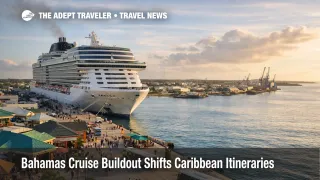
The Bahamas cruise expansion story is no longer just about higher visitor totals. It is becoming an itinerary story. New cruise infrastructure in Freeport, continued growth at private destinations, and early planning for another cruise port on Mayaguana point to a broader shift in how cruise lines use the Bahamas, especially on short Caribbean sailings from Florida. For travelers, that could mean more Bahamas-heavy itineraries, more access to larger ships, and more shore days spent in cruise-controlled environments rather than older open port areas.
Bahamas Cruise Expansion: What Changed
The clearest new development is in Freeport, Bahamas. The Bahamian government said on January 26, 2026, it signed a major investment agreement with MSC Cruises tied to Freeport Harbor, and Travel Weekly reported the redevelopment at about $450 million, with plans for a cruise pier complex, a refurbished retail village, and a beach club capable of supporting the world's largest cruise ships. No opening date has been announced.
That project lands after several major post-pandemic changes already reshaped cruise calls in the country. Nassau Cruise Port expanded capacity from about 20,000 daily passengers to more than 30,000 and can now handle up to six ships per day, including three Icon Class ships. Royal Caribbean's Royal Beach Club Paradise Island opened in Nassau in December 2025, Disney's Lookout Cay at Lighthouse Point opened on Eleuthera in June 2024, and Carnival said Celebration Key welcomed its one millionth guest on December 18, 2025, only five months after opening.
The government is also pursuing a cruise port on Mayaguana, though that project is still early. Travel Weekly reported it remains in the environmental-clearance stage and that officials have not announced when the first ship might call. That matters because this is not yet a bookable product. It is part of a longer pipeline.
Who Benefits Most From New Bahamas Cruise Capacity
The biggest beneficiaries are likely to be travelers booking short Caribbean cruises from Florida who want newer ships, easy sea days, and lower-complexity itineraries. The Bahamas sits close to major Florida homeports, and the government said the country welcomed a record 12.5 million visitors in 2025, a total driven heavily by cruise demand. More berthing capacity and more controlled shore product make it easier for cruise lines to keep deploying large ships on high-frequency Bahamas and Eastern Caribbean patterns.
This setup also fits travelers who value predictable beach time over independent exploration. Royal Caribbean's Nassau beach club, for example, is a paid, capacity-limited shore product available only to Royal Caribbean Group guests and Bahamian residents, with passes that the company recommends booking ahead. That is useful for travelers who want a managed day ashore, but it also signals where the market is moving: more premium, pre-booked, cruise-managed experiences layered on top of traditional port calls.
The weaker fit is for repeat cruisers who want each Bahamas stop to feel distinct and locally exploratory. Deputy Prime Minister Chester Cooper told Travel Weekly that many cruise visitors do not always leave the ship, in part because they have visited before and want new product. That is the core strategic problem the Bahamas is trying to solve, especially outside Nassau.
What Travelers Should Do Before Booking
Travelers should start reading Bahamas-heavy cruise itineraries less as simple beach vacations and more as product design choices. A Nassau call, a private destination call, and a redeveloped Freeport call may all sit in the same country, but they can deliver very different shore experiences, pricing structures, and crowd levels. The right choice depends on whether you want a walkable port day, a paid beach-club day, or a mostly self-contained private destination.
Booking early makes more sense when the itinerary relies on capacity-controlled products. Royal Caribbean says Royal Beach Club Paradise Island capacity varies seasonally and recommends advance booking. That means the cruise fare alone may not tell you what the actual shore-day experience will cost. Travelers comparing sailings should price the ship and the likely shore product together, especially on lines that increasingly sell the best Bahamas day as an add-on rather than as part of a standard port call.
The main decision threshold is whether you want the Bahamas as the trip or as a stop on the way to somewhere else. If the goal is a short, easy Caribbean sailing from Florida, this buildout probably improves choice and frequency over time. If the goal is independent destination depth, watch whether new Freeport and out-island projects add genuinely local experiences or mostly expand cruise-owned or cruise-directed shore time.
Why The Bahamas Is Becoming A Cruise Control Point
The mechanism is straightforward. More pier space, higher passenger capacity, and more private or semi-private shore infrastructure make the Bahamas more useful to cruise lines as a deployment platform, not just as a destination. Ships can call more often, larger vessels can be scheduled more efficiently, and lines can capture more passenger spending through beach clubs, private destinations, bundled excursions, and port-adjacent retail. That is why the Freeport project matters beyond Grand Bahama alone.
What happens next is less about a single opening date and more about whether Freeport becomes a true second major Bahamas cruise growth pole after Nassau and the private-destination corridor. The MSC-backed Freeport project has no announced opening date, the reported Celebrity beach concept remains unconfirmed by Royal Caribbean Group beyond a statement that it is assessing future projects, and Mayaguana is still in environmental review. So the near-term traveler takeaway is not immediate disruption or a sudden route map rewrite. It is that the Bahamas cruise map is becoming more concentrated, more investable, and more controlled, which should shape Caribbean itineraries well before every announced project is complete.
Sources
- PM: Rebuilding Grand Bahama's systems for real growth
- The Bahamas Achieves Unprecedented Tourism Success with Record-Breaking 12.5 Million Visitors
- Setting sail for growth: The Bahamas' cruise boom
- Nassau Reimagined: New Bahamas Cruise Port Set to Open On May 26, 2023
- Questions related to Royal Beach Club Paradise Island
- Disney Cruise Line's new private destination opens
- Carnival Welcomes One Millionth Guest at Celebration Key
- Concord Wilshire, Grand Lucayan Resort, Casino & Village