

Uber Blacklane Deal Reshapes Premium Airport Transfers
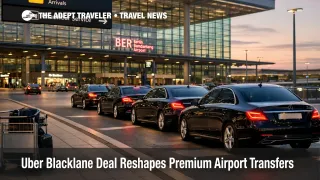
Uber's agreement to acquire Blacklane points to a deeper push into premium airport transfers and managed corporate rides, not just another rideshare acquisition. The deal, announced on March 30, 2026, would bring a chauffeur platform with service in more than 500 cities across 60 countries closer to Uber's fast growing premium segment. For travelers, the near term takeaway is limited, because Blacklane and Uber continue operating separately for now. The more important shift is strategic, Uber is trying to control more of the pre booked, higher reliability ground segment that matters most for airport pickups, hotel transfers, executive trips, and corporate travel programs.
Premium Airport Transfers: What Changed
Uber said on March 30 that it has agreed to acquire Berlin based Blacklane, with the transaction expected to close by the end of 2026, subject to regulatory approvals and customary closing conditions. Financial terms were not disclosed. Uber framed the deal as an expansion into luxury and executive travel, and linked it directly to rising demand for planned, higher quality ground service. The company also said pre booked Uber Reserve trips are among the fastest growing parts of its mobility business.
That matters because Blacklane is not built around the same use case as a last minute curb request. Its core products include airport transfers, city to city chauffeur trips, hourly service, and corporate travel support. In practice, that means Uber is moving further into the part of the market where reliability, pickup timing, expense management, and service consistency often matter more than the lowest fare.
The timing also lines up with Uber's March 12 launch of Uber Elite, a luxury ride category aimed at executives, frequent travelers, and riders willing to pay more for a higher end experience. Blacklane's own March 18 partnership with CLEAR pushed in the same direction, focusing on a more managed home to gate journey. Put together, the signal is clear, Uber is trying to build a stronger premium chain around the trip, not just sell a nicer car.
Who Benefits Most From the Blacklane Deal
The clearest beneficiaries are business travelers, corporate travel managers, hotel concierges, event planners, and higher spend leisure travelers who already book ground transport in advance. Travelers arriving after long haul flights, landing late at night, or moving between airports, hotels, and meetings on tight schedules are the most obvious fit. These are the trips where a missed pickup, unclear meeting point, or uneven vehicle quality can do real itinerary damage.
For ordinary Uber users, the immediate impact is less direct. The companies have not announced a combined booking flow, a merged loyalty structure, or a timeline for product integration. So this is not yet a story about most travelers getting a better airport pickup next week. It is a story about where Uber is investing, and which traveler segment it wants to serve more aggressively over time.
There is also a corporate travel angle behind the move. The Global Business Travel Association has said global business travel spending was projected to reach $1.57 trillion in 2025. That does not guarantee smooth growth in every region or company category, but it does explain why premium ground transportation remains attractive. When companies still send employees on high value trips, they tend to care about predictability at the margins, especially for airport transfers and executive itineraries.
How Travelers Should Book Around the Shift
For now, travelers should not assume any immediate booking changes. If you already use Blacklane for airport pickups or city to city rides, keep booking based on current service rules, pickup terms, and cancellation policies. If you use Uber Reserve or Uber Elite, do the same. Nothing announced so far suggests travelers should change providers today solely because of the acquisition.
The more practical move is to watch where integration first appears. The first useful signals would be shared inventory, expanded premium availability in airport markets, clearer corporate booking tools, or bundled airport products that link chauffeur service with identity, curb access, or premium pickup workflows. If those changes appear, they could make pre booked premium airport transfers easier to compare and easier to expense.
Travelers should also keep a tradeoff in mind. A more unified premium platform could improve consistency and coverage, especially in cities where one brand is stronger than the other. But tighter integration can also reduce the number of distinct suppliers competing for the same high end trip. For frequent travelers and travel managers, the smart move is to keep comparing cancellation rules, wait time terms, airport meet and greet details, and service coverage rather than assuming scale automatically means a better fit.
What Happens Next for Corporate Ground Travel
The next phase depends on approvals and execution. Uber expects the deal to close by the end of 2026, which means the real traveler impact is likely to unfold in stages rather than all at once. First would come regulatory review and deal completion. After that, the bigger question is whether Uber keeps Blacklane as a distinct premium brand, folds its inventory into Uber's premium stack, or uses both approaches depending on city and customer type.
The broader mechanism matters. Ground transportation around airports is becoming more segmented, not less. One layer serves price sensitive, on demand rides. Another serves travelers who will pay more for certainty, scheduled pickups, better vehicles, and corporate reporting. Uber's Blacklane move suggests it believes the second layer is worth building out globally, especially as premium airport transfers and managed executive trips become a more important part of the revenue mix.
For travelers, that makes this a structural shift worth tracking rather than an urgent disruption. The immediate trip planning advice is simple, book based on today's rules. The medium term decision point is whether the Uber Blacklane deal actually improves premium airport transfers in the cities and airports you use most often, or simply gives Uber a stronger position in a premium niche it was already targeting.
Sources
- Uber to Acquire Global Chauffeur Service Leader Blacklane
- Uber to acquire global chauffeur service Blacklane
- Introducing Uber Elite
- Blacklane and CLEAR Launch Premium Partnership
- Global Business Travel Spending to Reach $1.57 Trillion in 2025 Amid Trade Policy Uncertainty and Economic Risk, According to New GBTA Forecast
- Uber to expand premium offerings with Germany's Blacklane acquisition