

Kilauea Eruption Hawaii Air Quality and Flight Impacts
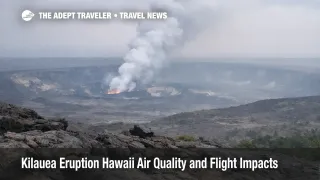
Kīlauea resumed summit eruptive activity inside Hawaiʻi Volcanoes National Park on Hawaii Island, and the U.S. Geological Survey says the volcano remains at Alert Level Watch with Aviation Color Code Orange during this episodic phase. Big Island visitors, island hoppers, and travelers positioning for mainland or international departures are the most exposed, especially if they are planning crater viewing, long outdoor days, or tight same day connections. The practical move is to treat air quality and visibility as the swing factors, monitor official updates before you drive to the park, and keep flight plans flexible if you are connecting on separate tickets.
The Kilauea eruption Hawaii flights risk is less about widespread ash disruption, and more about vog, shifting park access, and localized operational knock ons when conditions change quickly.
Who Is Affected
Travelers staying on Hawaii Island are most directly affected because vog and light, variable winds can concentrate volcanic gas impacts near the summit, then shift them into different districts with little warning. USGS reporting during the most recent summit episode described strong volcanic gas output during fountaining, and noted that light winds can make plume spread harder to predict, which is exactly the setup that can turn a clear morning into a scratchy, hazy afternoon on the wrong side of the island.
Visitors headed to Hawaiʻi Volcanoes National Park are also exposed to sudden plan changes. Even when eruption activity is confined to the caldera, the park can restrict access around hazardous areas, and separate summit area construction has been creating periodic closures, delays, and constrained parking that become more acute during eruption driven visitation spikes.
Flyers are affected in a narrower but important way. Orange does not automatically mean cancellations, but it does mean the aviation sector is paying closer attention, and operators may adjust routings or timing if a plume height, visibility, or ash risk changes. That matters most for arrivals and departures at Ellison Onizuka Kona International Airport at Keahole (KOA) and Hilo International Airport (ITO), plus connections through Daniel K. Inouye International Airport (HNL) and Kahului Airport (OGG) when Big Island delays start breaking onward banks.
What Travelers Should Do
If you are on Hawaii Island now, build your day around air quality, not just the eruption viewing plan. Check a current air quality source before leaving your lodging, keep your car ventilation set to recirculate if you hit vog on the drive, and have an indoor alternative queued so you can pivot without wasting a full day. If you have asthma, COPD, heart disease, are pregnant, are traveling with infants, or are older, treat rising vog as a reason to reduce exertion and move activities indoors earlier.
For flights, decide up front what would make you rebook versus wait. If your itinerary relies on a same day interisland positioning flight before a long haul departure, do not gamble on a tight connection window, especially on separate tickets. Move the positioning segment earlier, add an overnight near your gateway, or protect the long haul ticket by shifting the whole trip by a day if your current schedule has no slack. If you are already inside 24 hours of departure, waiting can be reasonable when there is no ash advisory and delays are modest, but you should be ready to switch to the next available departure if rolling retimes start eating into crew duty limits.
Over the next 24 to 72 hours, monitor three things, USGS status updates for Watch and Orange continuity, air quality readings and forecasts, and airline alerts tied to your specific flight number. When you are also navigating airport facility constraints, for example gate and lobby work across several Hawaii airports, assume the terminal experience may be slower than usual and pad arrival times accordingly, especially if you are connecting through Honolulu. For background on ongoing airport changes that can compound day of travel friction in the islands, see Hawaiian Hawaii Airport Renovations Through 2029.
How It Works
USGS uses two parallel labels that matter to travelers, Volcano Alert Level for ground impacts and Aviation Color Code for flight risk. Watch means heightened or escalating unrest with increased eruption potential, or an eruption underway that poses limited hazards. Orange is the aviation focused equivalent, generally used when an eruption is likely or ongoing, but with no or minor volcanic ash emissions, so the hazard to aircraft is limited compared with an ash rich event.
That distinction is why many Kīlauea episodes create more vog planning work than flight chaos. Vog is driven largely by sulfur dioxide and fine particles that can irritate eyes and airways, and it tends to be a comfort and health issue that also reduces visibility in localized haze, especially for scenic drives and sunrise plans. The failure mode for travel is not just feeling lousy, it is the chain reaction: an outdoor heavy itinerary gets cut short, travelers reposition between coasts for clearer air, tour operators reshuffle routes, and last minute hotel and rental car availability tightens in the areas people flee toward.
Aviation ripples show up when timing and routing get pinched. If a Big Island departure is delayed and misses its mainland connection window, rebooking demand spikes into the next bank, and that can push travelers into overnighting, especially when there are limited later flights. Even without Kīlauea appearing on the current Washington Volcanic Ash Advisory Center list, conditions can change fast, and airlines and dispatchers still plan conservatively around any sign of ash or rapid plume growth because volcanic ash is an engine and airframe hazard, not a routine weather nuisance.
Sources
- HAWAIIAN VOLCANO OBSERVATORY DAILY UPDATE, January 12, 2026
- HVO, USGS Volcanic Activity Notice, January 12, 2026
- Volcanic Alert Levels Characterize Conditions at U.S. Volcanoes
- Volcano Watch: What Are Volcano Alert Level and Aviation Color Code?
- Alert Level Icons, Orange Definition
- What Health Hazards Are Posed by Vog?
- Hawaii DOH Urges Caution With Elevated Volcanic Gas Emissions
- Hawaii Interagency Vog Information Dashboard
- Construction Closures and Delays, Hawaiʻi Volcanoes National Park
- Current Volcanic Ash Advisories, Washington VAAC