

Boeing 777X April Test Flight, Lufthansa Delivery 2027
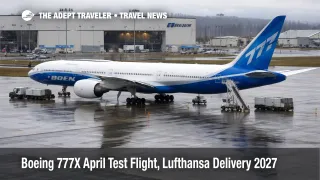
Boeing is preparing for a key milestone in the long delayed 777X program, a first flight of a production aircraft that is reportedly planned for April 2026. Reuters, citing an internal document, reported the production jet is already in fuel testing and is one that Lufthansa ordered, with testing activity centered at Snohomish County Airport (Paine Field) (PAE) in the Everett, Washington, area.
For travelers, this matters less as a single aviation headline and more as a signal about when additional long haul capacity might actually reach airline schedules. The 777X has been years behind its original timeline, and Boeing has indicated deliveries are now targeted for 2027, subject to certification progress.
The practical point is that a production aircraft flight is not just a publicity moment. Certification programs can require testing on aircraft that represent what will be delivered to airlines, not only specialized test fleet aircraft. Reuters reported that Boeing still needs production aircraft testing as part of the remaining certification work with the Federal Aviation Administration.
Who Is Affected
Lufthansa customers are the clearest downstream group because the aircraft Reuters described is destined for Lufthansa, and Lufthansa has been widely treated as the launch customer that anchors early passenger service expectations. If you are booking long haul trips where Lufthansa fleet growth or aircraft replacement would normally add seats, reduce sellouts, or improve upgrade odds, this timeline affects what is realistic for 2026, and what might start to change in 2027.
Travel advisors and frequent flyers are also affected because widebody delivery delays do not stay isolated inside one airline. When a carrier cannot induct the aircraft it planned for a given season, it typically responds with a mix of keeping older jets longer, swapping aircraft types across routes, and prioritizing the highest yielding markets. That can translate into fewer frequency additions, more aggressive aircraft substitutions, and less predictable seat maps, especially in premium cabins.
Finally, travelers connecting onward to cruises, tours, and events are indirectly exposed. Long haul schedules are often the backbone of timed transfers and first night hotel plans. If an airline adjusts frequencies or shifts aircraft type closer to departure because fleet availability is tighter than planned, the ripple can show up as changed arrival times, reprotected connections, and compressed rebooking inventory.
What Travelers Should Do
If you are buying 2026 travel that you expect will benefit from future widebody capacity, treat that assumption as optional, not guaranteed. Book fares that preserve flexibility, and pick itinerary structures that can tolerate a time shift, such as arriving a day earlier for cruise departures, weddings, or guided tours that penalize late arrivals.
Use decision thresholds for rebooking versus waiting. If your trip is date critical and the flight you want is already running near full, lock in a backup option that you can cancel, or pick a routing with at least one viable same day alternative, even if it is less convenient. If you are traveling for leisure with flexible dates, you can wait longer for price dips, but only if you are comfortable with the risk that premium cabins and popular departure days may remain constrained until deliveries begin.
Over the next 24 to 72 hours before you ticket, monitor the aircraft type shown at purchase, the change fee rules on your fare, and the operating carrier's latest fleet and schedule notes. For Lufthansa specifically, it is also worth tracking other rolling fleet changes that can trigger aircraft swaps and seat map reflows, such as cabin retrofit programs, because those changes can overlap with delivery delays and make equipment assignments more volatile. A recent example is Munich Lufthansa A380 Business Seats Start April 2026.
Background
A production aircraft milestone matters because it is tied to how certification and delivery readiness work in practice. Aircraft manufacturers often fly highly instrumented test aircraft early in a program, but regulators can still require demonstration and compliance work on aircraft that match what airlines will actually receive, including interiors, systems configuration, and production build standards. Reuters reported the 777X still needs production aircraft testing as part of the FAA certification path, which helps explain why this April 2026 first production flight is a notable step, even though the program has already logged extensive flight testing overall.
The disruption propagates through the travel system in layers. First order effects start at the source, certification and deliveries: if the FAA timeline slips or if production readiness gates take longer, aircraft handovers move right, and airlines cannot place those aircraft into planned seasonal schedules. Second order effects then show up in network planning and connections. A carrier short on long haul lift may consolidate frequencies, shift widebodies away from secondary markets, and protect hub banks, which can increase misconnect risk on tight itineraries. A third layer hits pricing and inventory behavior: constrained seats raise the odds of sellouts on peak dates, reduce upgrade and award availability, and push travelers toward earlier booking and more refundable fare choices. This same pattern is familiar across other delayed aircraft programs, and the traveler facing result is usually not a single canceled route, but a persistent "tight supply" environment that changes what is easy to book. For additional context on how certification delays translate into capacity stress, see FAA Delays on Boeing 737 MAX 10 Hit Airline Capacity.