

Celebrity Reflection Fort Lauderdale Cruise To Nowhere
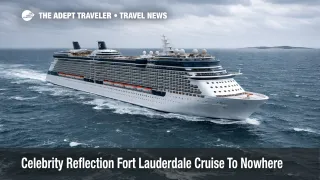
Celebrity Reflection operated a cruise to nowhere out of Fort Lauderdale after both planned port calls were canceled, leaving guests with two sea days instead of stops in Key West and Bimini. Passengers on the three night itinerary were affected first, because shore days and excursions were removed after boarding as weather conditions deteriorated faster than forecast. The practical next step is to check your onboard account and notifications for how refunds were processed, then use marine forecast signals to judge whether upcoming short Bahamas sailings are likely to face the same wind driven constraints.
Celebrity told guests it had been monitoring an advancing weather front through the Florida Keys and the Bahamas, and that earlier arrival of stronger winds made the Key West call and the ship's departure unsafe. The following call to Bimini was then canceled after winds increased further, and the port was closed. The ship returned to Port Everglades as scheduled on Monday, February 2, 2026.
Who Is Affected
Guests on the January 30, 2026 departure from Fort Lauderdale are the direct impact group, especially anyone who booked the sailing specifically for a quick Key West and Bimini weekend and treated those port days as the value center of the trip. Travelers who pre purchased shore excursions, beach clubs, day passes, or third party tours face the most friction because refunds and rebooking rules differ depending on whether the purchase was made through the cruise line or independently.
Travelers using this sailing to anchor a tight schedule, such as meeting family for a single day in Key West, lining up a Bimini beach day with a special event, or timing flights and hotels around a port heavy itinerary, are also exposed. When a short cruise converts into sea days, onboard demand rises at the same time shore options vanish, so dining, spa slots, and paid activities can feel more constrained, even though the ship is operating normally.
Shore operators in Key West and Bimini also take a direct hit when a call is canceled, because the revenue for guides, transport, and venues is concentrated into a few peak hours that disappear entirely when docking becomes unsafe. That loss can ripple forward into rebooking pressure on alternate Bahamas calls on subsequent sailings, because operators and ports are trying to rebalance capacity while the weather pattern remains unsettled.
What Travelers Should Do
Start with immediate money triage. If you booked excursions through Celebrity, verify that canceled tours were automatically reversed, and screenshot the relevant folio lines for your records. If you booked independently, contact the operator the same day you receive the port cancellation notice, because many third party vendors have shorter windows for weather exceptions than the cruise line does, and your card dispute clock is not the same thing as a cancellation deadline.
Use a simple decision threshold for your next short Bahamas sailing: if your primary goal is the port day itself, and the forecast shows gale warnings or sustained winds that make exposed piers questionable, price a longer itinerary or a different routing before final payment, or choose a sailing with more protected alternatives. If your main goal is time on the ship, treat a port cancellation as an experience change, not necessarily a trip failure, and shift your planning toward reservable onboard options early so sea day crowding does not become the secondary disappointment.
Over the next 24 to 72 hours before embarkation, monitor marine language, not just rain icons. The Bahamas Department of Meteorology warned of strong gale force winds across the Bahamas chain during the January 31 to February 2 window, with hazardous sea states and guidance for mariners to remain in port, which is the kind of signal that frequently translates into cruise port restrictions as well. If you see that pattern returning on your dates, assume the highest risk is on private islands and exposed calls, and build your shore plans around refundable choices until the port posture is clearer.
Background
Cruise lines cancel ports for the same underlying reason, the ship must be able to berth and depart safely within a workable window. Wind direction and sustained speed matter because they create lateral force at the pier, and sea state matters because surge can make gangway operations unsafe even when the ship is technically alongside. On short Bahamas loops, the disruption propagates quickly: one missed call can eliminate the only realistic substitute port within range, turning the rest of the itinerary into sea days without the option to add value back through a replacement stop.
The second order effects travel beyond the ship. When an itinerary drops ports, shore side vendors lose concentrated revenue, and nearby ports can see knock on demand as multiple ships try to reposition into the same limited berthing inventory once conditions improve. On the guest side, tight flight and hotel stacks can become more stressful because the emotional cost of a missed port often collides with practical timing changes, such as shifting when you need to be online for rebookings, or deciding whether to extend a hotel stay if the broader region remains weather sensitive.
For context on how cruise operators communicate weather driven itinerary variability, see Hurricane Erin Cruise Updates: Itineraries and Ports. For another example of how a removed call can reshape the onboard plan and substitute port pressure, see Labadee Haiti Port Calls Pulled From Royal 2026. For a practical reminder that travel insurance triggers can depend on how the operator frames a disruption, see The 2025 European Heatwave's Impact on River Cruises.