

UK ETA Fee Increase To £20 Before Feb 25 Launch
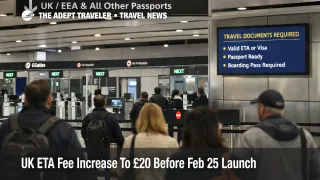
The United Kingdom is preparing to raise the fee for its Electronic Travel Authorisation, the ETA, from £16 to £20, but it has not announced the exact effective date. The Home Office says the increase is planned "in the future," which means travelers should assume the price could change with limited notice as the February enforcement date approaches. From February 25, 2026, many visa exempt visitors will not be able to board transport to the U.K. without an approved ETA, shifting the failure point from the border to airline, rail, and ferry check in.
For most travelers, the practical impact is not just the extra £4. It is the new requirement to complete a paid, digital pre travel permission step that is linked to the specific passport you will use on your ticket. If the passport on your booking does not match the passport linked to the ETA, you can end up stopped before departure. If you want the operational checklist for enforcement day, see UK ETA Feb 25 Boarding Rule, Avoid Denied Boarding.
Who Is Affected
The ETA requirement targets travelers who can normally visit the United Kingdom without a visa for short stays, including U.S. and Canadian passport holders, plus many other nationalities in the visa waiver style category. The government's public messaging frames this as a shift to "digital permission to travel," not a visa, with the goal of screening people before they arrive. The ETA is designed for visits of up to six months at a time, and it can be used for multiple journeys for two years or until the linked passport expires, whichever comes first.
Travelers who are exempt from the ETA requirement include British and Irish citizens, and people who already have U.K. immigration permission such as a visa or a status that covers residence, work, or study. Transit itineraries are where confusion spikes, because some airside connections may not require an ETA, but irregular operations, separate tickets, baggage recheck needs, or overnight disruptions can force a landside path through border control, which can flip an "exempt" plan into an ETA required situation.
What Travelers Should Do
If you are traveling to the United Kingdom on or after February 25, 2026, treat the ETA as a required trip task, not a nice to have. Apply through GOV.UK or the official UK ETA app, and avoid third party sites that charge more while providing no faster decision path. Because the U.K. has not published the £20 start date, applying earlier can also reduce the chance you pay a higher fee later.
Use a simple decision threshold for rebooking versus waiting. If you are inside 72 hours of departure without a decision, or you discover your ETA is linked to a different passport than the one on your booking, it is usually smarter to move to a later departure or reroute away from the U.K. than to gamble on airport day fixes. Carriers are expected to enforce permission checks before boarding, and they cannot "override" missing authorization at the counter.
Over the next 24 to 72 hours before departure, monitor three things. Confirm your nationality's requirement on GOV.UK, track your application status, and recheck whether your itinerary could become landside during disruptions, especially with separate tickets or self transfers. The official advice is to allow up to three working days even though many app decisions come quickly, and that buffer matters most when a missed flight would cascade into a missed cruise embarkation, prepaid hotel night loss, or a nonrefundable rail reservation.
How It Works
An ETA is a digital permission linked to your passport that authorizes travel to the United Kingdom, but it does not guarantee entry on arrival. The system pushes compliance upstream, meaning airlines, rail operators, and ferry companies become the practical enforcement checkpoint before you depart, which is why denied boarding becomes the most common "hard stop" outcome for unprepared travelers.
The ripple through the travel system is predictable. First order effects hit check in workflows, where more passengers need document verification, exceptions handling, and manual review, which can slow down processing and increase misconnect risk in busy departure banks. Second order effects show up across connections and positioning, because missed departures on constrained long haul routes can strand travelers for a day or more, and last minute reroutes can shift demand into alternate hubs and airport hotels. Third order effects appear in land arrangements, including missed timed tours, rail segments, and cruise departures that are harder to rebook than a single flight.
This change also fits a wider border trend. The United States uses a similar concept, ESTA, for visa waiver travelers, and U.S. Customs and Border Protection notes that the ESTA fee increased from $21 to $40 effective September 30, 2025. For travelers, the takeaway is that pre travel screening is becoming a routine paid step, so it is worth building it into trip planning timelines, budgets, and document matching habits. For broader entry context, see UK Entry Requirements For Tourists In 2026.