

Cuba Jet Fuel Shortage Halts Canada Flights Feb 10
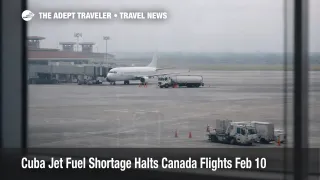
Canadian airlines suspended and canceled flights to Cuba after warnings that aviation fuel would not be reliably available at Cuban airports starting February 10, 2026. The disruption is centered on Havana, Cuba, including José Martí International Airport (HAV), and it is already reshaping how airlines plan inbound fuel and return legs. Travelers with imminent departures should treat this as an operations problem, not a single canceled flight, and should plan for reroutes, technical refuel stops outside Cuba, or date changes.
The Cuba jet fuel shortage flights situation changes the basic assumption that aircraft can refuel on arrival, which forces airlines to suspend service, tanker extra fuel, or add refueling stops that lengthen travel days and reduce schedule resilience.
Air Canada said it suspended service effective February 9, 2026, after advisories indicated aviation fuel would not be commercially available at Cuban airports as of February 10, 2026. The carrier also said it plans to operate empty southbound flights to retrieve and return about 3,000 customers who are already in Cuba, using extra onboard fuel and, when needed, technical stops for refueling on the way home.
Aviation notices also point to a multi week constraint. Reporting based on the relevant NOTAM indicates Jet A 1 fuel is not available at Havana starting February 10, 2026, with the condition expected to remain in effect until at least March 11, 2026.
Who Is Affected
The most directly affected travelers are those ticketed on Canadian carriers to and from Cuba, plus anyone holding Cuba packages tied to fixed hotel check in dates, tours, or onward connections. If your itinerary includes Cuba as a stop before continuing to another country, the misconnect risk rises quickly because delays and cancels tend to concentrate at the edges of the network, where there are fewer daily frequencies to recover you.
Airlines that continue operating some Cuba flights may do so with operational workarounds that still change the traveler experience. One common pattern during fuel constraints is a technical stop in a third country to refuel, which can add meaningful time to the journey and also introduces a new point of failure if the alternate airport becomes congested. For example, Air Europa said it would add a refueling stop at Santo Domingo, Dominican Republic, using Las Américas International Airport (SDQ), on its Madrid to Havana operation starting February 10, 2026.
Even if you are flying on a non Canadian carrier, you are not isolated from the effects. When a large volume of passengers rebook away from a disrupted destination, nearby markets absorb the demand. That can tighten seat availability across Canada to Caribbean routes more broadly, and it can increase pressure on Canadian hubs as airlines reposition aircraft and crews, especially when repatriation flights displace normal scheduled flying.
This is also the kind of disruption that propagates beyond aviation. First order effects begin at the Cuban airports, where fueling constraints reduce dispatch reliability and force last minute cancellations. Second order ripples show up in at least two other layers. Connections tighten because rebooked passengers concentrate on fewer remaining flights, and airlines run out of same day options. Hotels and short stay rentals in Canadian gateway cities can see a bump when missed connections force overnights, and resort operators in alternate islands can see sudden demand spikes as travelers shift plans away from Cuba.
For a useful mental model of why a capacity shock can feel worse than the headline number of canceled flights, see FAA Delays on Boeing 737 MAX 10 Hit Airline Capacity. For a recent example of how quickly limited capacity turns into rebooking bottlenecks at hubs, see Flight Delays and Airport Impacts: February 9, 2026.
What Travelers Should Do
If you are due to depart for Cuba between February 10, 2026, and March 11, 2026, start by confirming whether your airline is suspending service, operating with fuel tankering, or adding a refueling stop. If your flight is canceled, prioritize getting reprotected onto the earliest workable alternative while inventory still exists, and secure a refundable hotel night near your departure airport if the replacement itinerary involves an overnight.
Use clear decision thresholds so you do not lose options. If your Cuba flight is within 72 hours and your carrier has already announced a suspension or a wind down, rebook now rather than waiting for day of airport resolution. If your carrier is still operating but has added technical stops, decide whether the added duration and new connection risk still works for your trip, especially if you have a fixed cruise, event, or medical appointment on the return.
Over the next 24 to 72 hours, monitor three things, airline travel advisories and waiver language, airport fueling updates tied to the NOTAM window, and your tour operator or hotel's flexibility policies. Keep screenshots and emails of cancellations, rebooking offers, and any statements about fuel shortages, because insurers and card issuers will typically require documentation to support trip interruption, delay, or dispute claims.
How It Works
Commercial airline schedules assume routine fuel availability at both ends of a route. When that assumption breaks, airlines have only a few levers, tanker extra fuel from the origin, add technical stops to refuel elsewhere, restrict payload, or cancel service entirely. Tankering can keep flights moving, but it reduces efficiency and can force limits on cargo, bags, or even passenger loads, while technical stops add time and create a new dependency on a third airport's capacity and weather.
In this case, the fuel issue sits inside a broader supply problem. Multiple reports describe Cuba's aviation fuel constraint as part of a deepening energy crunch tied to tightened U.S. enforcement aimed at restricting oil flows to Cuba, including threats of tariffs on countries that supply fuel to the island. Reuters reporting also describes uncertainty in regional supply flows, including halted or disrupted shipments that Cuba historically relied on.
The system ripple is predictable. First order, flights cancel or lengthen as carriers change fueling plans. Second order, repatriation flights and concentrated rebooking demand consume spare capacity, and disruptions spread to other routes as aircraft and crews are repositioned to recover stranded travelers. That is why travelers can see impacts even if their specific flight is not the one that canceled, and why acting early usually produces better outcomes than waiting for airport day of fixes.
Sources
- Air Canada Suspending Cuba Service in Response to Aviation Fuel Shortage
- Cuba's capital airport declares jet fuel unavailable as energy crisis deepens
- Cuba says airlines can no longer refuel on the island as US blockade deepens energy crisis
- Trump threatens tariffs on any country that sells oil to Cuba, putting pressure on Mexico
- Mexican oil shipments to Cuba currently halted, president says
- China willing to help Cuba amid jet fuel shortage, foreign ministry says