

Japan Heavy Snow Flight Cancellations, Shinkansen Delays
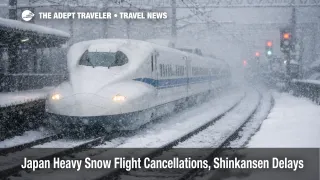
Heavy snowfall is driving same day travel disruption across Japan, with flight cancellations, deicing delays, and rail slowdowns that can snap tight connections. Travelers moving through Tokyo International Airport (HND), also known as Haneda, and anyone relying on Shinkansen plus regional feeders are the most exposed when the weather pattern broadens from local snow to network wide knock on effects. The practical next step is to treat every connection as fragile for the next few days, confirm status directly with your airline and operator, and add time buffers that assume at least one link fails.
The core traveler problem is not just one canceled flight or one delayed train, it is the way winter operations propagate. When snow forces deicing, runway throughput drops, crews time out, and aircraft end up parked in the wrong city. At the same time, rail operators may reduce speeds, suspend specific segments, or cancel regional services for snow removal and avalanche risk. Those rail changes remove the backup plan many travelers use when flights sell out or stop operating, which is why the combination of air and Shinkansen disruption is so operationally painful.
Tokyo Haneda published a heavy snow notice warning that snow forecast around Saturday, February 7, 2026, through Sunday, February 8, 2026, could cause flight delays, cancellations, and disruptions to transportation around the airport. It advised passengers to check flight status with their airline and to confirm ground transport service before traveling to the terminal. In parallel, ANA indicated it would provide special ticket handling for flights arriving at and departing from Haneda on February 8, 2026, allowing changes or refunds regardless of whether a flight is ultimately delayed or canceled, and it flagged deicing as a source of knock on delays later in the day.
Conditions have also been severe in northern and Sea of Japan side areas, where heavy accumulations and continued snow forecasts have disrupted roads and rail, and have been linked to wider public safety impacts. For travelers, that matters because those regions feed the national network through a smaller set of airports and trunk rail corridors. Once those gateways choke, rebooking options narrow quickly, and the recovery can take longer than the storm itself.
Who Is Affected
The highest risk group is any traveler stacking a domestic flight with a same day international departure, especially on separate tickets. When snow disrupts one bank of domestic operations, your feeder may be canceled even if the long haul flight still departs on time, and airlines are far less likely to protect you when the itinerary is not ticketed as a through connection.
Rail travelers are also exposed, particularly anyone planning Shinkansen to reach an airport, a cruise embarkation, a ski transfer hub, or a fixed time event. JR East's operational reporting shows how winter friction often appears first as targeted notices, cancellations for snow removal, reduced speed operation, and suspensions without substitute transportation on specific regional lines. Even if your Shinkansen is technically running, those feeder disruptions can strand you away from the station you need, or wipe out the margin you built into a seat reservation.
A third group is travelers heading into mountain and snow belt destinations who planned to improvise. Winter demand concentrates onto fewer seats when a corridor is disrupted, so the travelers who do not prebook trains, buses, and hotel contingencies tend to lose the last available inventory when services resume.
What Travelers Should Do
Act immediately to preserve optionality. If your airline has published special handling, use it early, before airport lines build and before remaining flights sell out. For February 8 travel involving Haneda, prioritize moving to an earlier departure, shifting to a different gateway that is not in the snow bullseye, or adding an overnight near your international departure airport, then keep screenshots of the updated itinerary and fare conditions.
Use a decision threshold rather than optimism. If your domestic arrival would land inside a buffer you cannot stretch, if your onward flight is the last long haul departure of the day, or if you see deicing delays stacking across the morning bank, treat that as a rebook now trigger. Waiting for a formal cancellation often costs you the remaining seats, and it forces you into the highest friction customer service channels.
Over the next 24 to 72 hours, monitor three streams at the same time. Track your specific flight and the wider airport departure board, because rotation failures show up there first. Track Shinkansen and regional line status on your operator's service updates, because speed restrictions and segment suspensions tend to move during the day as conditions change. Track ground access into the airport and major stations, because a working flight is still missable if the rail link or highway approach becomes unreliable.
For related context on how Japan winter weather disruption typically expands into airline waivers and rail suspensions, see our earlier coverage, Japan Snow, Flight Waivers, Rail Suspensions Jan 13, 2026, and for airport level disruption patterns that matter for ski and city itineraries, see Weather Delays Across Japan Hit Key Airports December 8.
Background
Japan's winter disruption pattern often starts with a weather trigger, then spreads through constraints rather than a single system shutdown. In aviation, deicing and reduced runway throughput cut the number of departures that can safely leave per hour, which pushes aircraft out of their planned sequence. When one aircraft rotation is late, the next segments that aircraft is supposed to fly also go late, and once crews hit duty limits, late turns become cancellations. This is why snow in one region can create cancellations in another, even after precipitation eases.
On the rail side, the Shinkansen system is resilient, but it is not immune. Operators may impose speed reductions through snow prone sections, and when snow removal or safety risks intensify, they can suspend segments or cancel trains to reset the timetable. Regional lines are even more sensitive, and they can lose substitute transportation during severe weather or avalanche risk. That is the second order problem for travelers, because the regional legs are what connect ski areas, smaller cities, and remote onsens to the trunk network. When those local links fail, travelers concentrate into hotels near hub stations and airports, and the cost of recovering an itinerary rises quickly.
Sources
- Impact on Flights and Public Transportation Due to Heavy Snow Forecast, Haneda Airport Passenger Terminal
- ANA Implements Special Ticket Handling for Snowfall at Tokyo Haneda on February 8, TRAICY Global
- Train Status Information Shinetsu Area, JR East
- Record snowfall prompts avalanche and travel warnings for northern Japan, Stars and Stripes
- Northern Japan hit by heavy snow with dozens dead and roads blocked, AP News