

Viking 2026 Cruise Bookings Hit $6B, 86% Sold
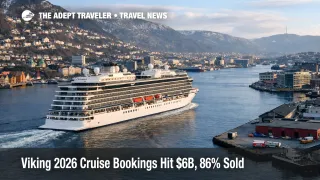
Viking says it had about $6.0 billion in advanced bookings for the 2026 season and was 86% booked as of February 15, 2026, according to commentary provided alongside its fourth quarter results and earnings call. For travelers, the practical takeaway is that many of the most popular 2026 sail dates are already spoken for, and late planners should expect fewer cabin choices, tighter air pairings, and less pricing flexibility on peak weeks.
Viking also framed 2025 as a pricing power year, with net yield up 7.4% while capacity grew 12% year over year, and total revenue reaching $6.501 billion. That matters to travelers because yield strength typically shows up as fewer aggressive last minute discounts on "core" itineraries, and more of the value shifting into bundled inclusions, cabin category strategy, and timing, rather than waiting for a fire sale that may not arrive.
One operational wrinkle is that Viking disclosed a shipyard issue that will push back deliveries of eight river ships, with timing moving later than originally planned. Viking said it does not expect the delays to be material to financial performance, but for specific river itineraries, capacity and ship assignment changes are exactly the kind of thing that can affect cabin availability and sailing logistics.
Who Benefits Most From Booking Early, and Who Can Wait
Travelers who benefit most from early action are those targeting peak demand windows, category constrained cabins, or logistics heavy itineraries where the cruise is only one link in the chain. If you are planning Christmas and New Year sailings, summer Europe, peak Alaska weeks, or river departures that depend on tight hotel and flight pairings, the 86% booked figure is a warning sign that the "easy" inventory is already gone.
Repeat guest dynamics also matter. Viking said repeat guests represented 54% of 2025 travelers, which tends to stabilize demand because a large share of cabins are effectively pre claimed by loyal customers who book early. When repeat mix rises, late season shoppers usually find that only less preferred dates, higher priced categories, or more complex air routings remain.
Who can wait. Travelers with flexible dates, flexible cabin categories, and a willingness to switch between river and ocean products can sometimes wait longer, especially outside school holiday periods. The tradeoff is that "waiting" becomes an inventory bet, not just a pricing bet, because on many sailings the bigger risk is losing the specific date or cabin type you actually want, not paying slightly more.
What Travelers Should Do Now
If you already know you want a specific 2026 sailing, treat this as a choose your constraints moment. Lock the date and cabin category first, then solve flights and pre or post nights around it, because the cruise inventory is the most finite component. If you are working with a travel advisor, ask them to price at least two adjacent sailings so you can see how quickly pricing and availability change across weeks, which is often more decision useful than chasing a single fare.
If you are considering river cruising in 2026, build in change tolerance. Viking's river ship delivery delays mean some itineraries may see ship swaps, revised start dates for new builds, or rebalanced capacity later in the year. That does not automatically mean your sailing is at risk, but it raises the value of refundable hotels, sensible connection buffers, and travel insurance terms that match how you actually travel.
If your Viking plan touches higher volatility regions, do not treat the cruise as isolated from the broader network. Viking itself has recently paused certain Egypt operations in response to regional risk, which is a reminder that itineraries tied to aviation stability, advisories, and overland transfers can change quickly. For that pattern and what it means operationally, see Viking Pauses Nile Cruises to Egypt Through March 31.
Why Strong Bookings Matter, and How Ripples Spread
Advanced bookings at this scale change the traveler experience because they reshape the market months in advance. When a cruise line is heavily sold for the next season, it can protect pricing, run fewer tactical promotions, and prioritize yield management over volume filling. First order effects show up as reduced cabin choice, higher category premiums, and earlier sellouts on the most popular dates. Second order effects show up in the pieces around the cruise, airline seats that get more expensive as more passengers lock in the same embarkation days, hotels tightening near ports, and less forgiving re accommodation options when irregular operations hit.
The river ship delivery delays are a separate mechanism, but they can still touch traveler outcomes. A delayed new ship does not just move a delivery date, it can force a cascade of adjustments, including re sequencing dry docks, reassigning ships across rivers, and re optimizing itineraries to protect the highest demand departures. For travelers, that usually translates into more schedule change notifications, more itinerary fine print scrutiny, and a higher payoff for booking with flexibility on pre nights, onward rail, and day tours.
Finally, Viking's plan to add ocean and expedition capacity over the long horizon is a demand signal, not a short term fix. It suggests Viking expects its core customer to keep booking early and often, which is consistent with the repeat guest mix. If you are planning Europe rivers in particular, remember that operational risks like water levels and navigation constraints can also affect outcomes, even when the ship is running, which is why a structural explainer like 2025 European River Cruise Water Level Outlook remains a useful planning lens for how river seasons can bend.