

Norwegian Fuel Warning Raises Cruise Fare Pressure
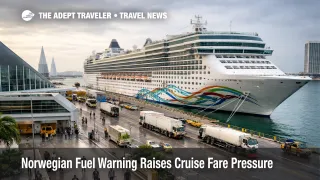
Norwegian cruise fuel warning matters because cruise disruption does not need a canceled sailing to hit travelers. Norwegian Cruise Line Holdings told Reuters on March 2 that it does not currently expect itinerary impacts from the Middle East conflict, but it also said fuel cost uncertainty is rising, with fuel prices per metric ton expected to reach $670 in 2026, up from $662 in 2025. For travelers, that means the first visible effect may be weaker promotions, less aggressive discounting, and more pricing discipline before any route changes show up.
The practical change since earlier Gulf cruise coverage is that this story has moved beyond ships being canceled or held in port. It is now also a margin story. Norwegian's 2026 adjusted profit forecast came in below analyst expectations, and the company said it is entering the year against a pressured backdrop. That does not prove fares will jump immediately, but it does mean cruise lines have less room to absorb a prolonged fuel shock while still chasing bookings with deep discounts.
Norwegian Cruise Fuel Warning: What Changed
What changed is not the itinerary map, at least not yet. Norwegian said it is monitoring the Middle East situation closely and does not anticipate itinerary impacts because it is not currently operating in the affected areas. But executives also said the long term effects on fuel costs remain uncertain, which matters because higher bunker costs can squeeze profitability even on unchanged sailings.
That cost pressure is not abstract. In its annual filing, Norwegian estimated that a 10 percent increase in its weighted average fuel price would raise anticipated 2026 fuel expense by $66.2 million, only partly offset by an estimated $27.6 million increase in the fair value of fuel swap agreements. Reuters also reported that Asian jet fuel and diesel cash premiums hit multi year highs as markets priced in Middle East supply risk, which reinforces the broader energy backdrop travel companies are now facing.
Which Cruise Travelers Should Pay Closest Attention
The travelers most exposed are not necessarily people sailing tomorrow. They are travelers still deciding whether to book a 2026 cruise, especially on longer itineraries, repositioning voyages, premium cabins, and sailings where the line would normally use promotions to fill softer demand. When fuel gets more volatile, operators become more careful about discounting because every fare cut hurts more.
This is especially relevant for travelers comparing cruise value against land trips or long haul flights. Airlines are already passing some fuel pressure into fares, with Reuters reporting fare increases from Qantas, SAS, and Air New Zealand as fuel costs surged. If both air and cruise costs firm up at the same time, the deal window narrows for travelers who rely on shoulder season promotions or late bookings. Readers tracking broader Gulf disruption should also see Middle East Cruise Cancellations Trap Ships in Gulf and Iran Fuel Spike Threatens Airfares, Not All at Once.
What Travelers Should Do Now
Travelers should not overreact to this warning as if a cancellation wave is underway. Norwegian explicitly said it does not currently expect itinerary impacts from the Middle East conflict. But this is a good moment to stop assuming cruise pricing will get softer just because a line is under pressure elsewhere. If you see a sailing, cabin class, or suite category that already fits your budget, waiting for a deeper deal could be the wrong bet if fuel stays elevated.
The main decision threshold is simple. Book sooner if your trip depends on scarce cabin types, holiday weeks, or complex fly cruise timing. Wait a bit longer only if your trip is highly flexible, you can tolerate date shifts, and you are watching for broad market weakness rather than one specific sailing. The next signals to monitor are not just cruise fare moves, but also whether operators start trimming onboard promotions, adjusting deployment, or talking more openly about fuel surcharges, even if they avoid that label.
It is also smart to watch total trip cost, not just the cruise fare. A cruise can look stable on paper while the real trip gets more expensive through airfare, pre cruise hotel nights, or fewer included extras. That is how cost pressure often reaches travelers first, quietly, and before any dramatic headline about ships changing course.
Why Fuel Pressure Matters Before Itineraries Break
Fuel is one of the easiest ways a distant geopolitical shock reaches a traveler without closing a port or canceling a sailing. Cruise lines can often keep operating the same route map for a while, but higher energy costs still force tradeoffs. They can accept lower margins, cut promotions, rework deployment toward more profitable regions, or become pickier about which sailings they push hardest. For travelers, the result is that "no itinerary change" does not mean "no travel impact."
The second order effect is pricing behavior. Norwegian is already dealing with pressured demand, execution issues, and a flat 2026 net yield outlook. Add higher fuel volatility to that, and management has even less room for mistakes. If the energy shock fades, this story may stay mostly financial. If it persists, travelers should expect cruise pricing to feel firmer, value adds to get thinner, and deployment decisions to matter more in late 2026 planning.
Sources
- Norwegian Cruise warns fuel cost hit from global tensions unclear, sees muted 2026 profit, Reuters
- Norwegian Cruise Line Holdings Reports Fourth Quarter and Full Year 2025 Financial Results
- Norwegian Cruise Line Holdings 2025 Annual Report, Form 10 K
- Airlines Hike Ticket Prices as Iran War Propels Fuel Costs, Reuters