

InterContinental Manila Returns to BGC in 2032
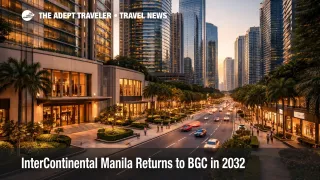
IHG has signed InterContinental Manila, a 212 key luxury hotel planned for Bonifacio Global City in Metro Manila, with an opening targeted for 2032. The project brings the InterContinental flag back to the Philippine capital more than 15 years after the previous Manila property shut at the end of 2015, which makes this less about a routine pipeline update and more about a brand re entry into one of the country's most important urban travel markets. For travelers, the practical takeaway is not to plan around this hotel yet, but to treat it as a long range signal that Manila's luxury mix is still tilting toward newer, business district anchored inventory with strong meetings and premium leisure appeal.
The signing also matters because it resets where the InterContinental brand will sit in Manila. The old property was tied to Makati's legacy core. The new one will rise in BGC, the newer master planned district that now concentrates major corporate offices, upscale retail, and a large share of the capital's modern hotel demand. That shift tells travelers and advisors what IHG thinks the next cycle of Manila luxury demand looks like, shorter urban leisure stays, premium corporate travel, and events business that values newer mixed use districts over nostalgia alone.
InterContinental Manila Return: What Changed
What changed on March 16, 2026 is that IHG moved from brand history to a signed future project. The company said the new InterContinental Manila is scheduled to open in 2032, will have 212 keys, and will include all day dining, a specialty restaurant and bar, meeting and event space, a health club and spa, and an outdoor pool. That is a concrete development agreement, not vague expansion talk.
This matters now because the InterContinental name still carries weight in Manila. IHG said the original property first opened in 1969 and operated for 46 years. Independent reporting from 2015 confirmed the old InterContinental Manila ceased operations on December 31, 2015 when its management contract expired. The new project therefore marks the brand's return after a long gap, but in a different district, with a different demand mix, and on a timeline that keeps it firmly in the future rather than the current booking cycle.
Who Benefits Most From the New Manila Luxury Hotel
The clearest future fit is for travelers who want to base themselves in BGC rather than Makati or the bayfront. BGC works well for corporate trips tied to finance, multinational offices, and meetings, while also appealing to higher end leisure travelers who want walkable dining, shopping, and a cleaner planned district feel. A 212 room InterContinental there should also be relevant for small to mid size luxury groups and event demand, because IHG has already flagged ballroom, function, and meeting space as core parts of the project.
The bigger benefit is choice architecture, not immediate rate relief. Because the opening is not until 2032, this signing does nothing for travelers booking Manila in the next few seasons. What it does do is signal that more internationally branded luxury supply is still coming to the capital, which can eventually give advisors more leverage across district, loyalty, and meeting space tradeoffs. In plain terms, future travelers may get a stronger BGC based alternative under a globally recognized flag, but today's travelers still need to choose among existing Manila inventory.
What Travelers Should Do Before 2032
For now, do not book a Manila trip assuming InterContinental Manila will be part of the option set any time soon. A 2032 target is useful as a market signal, but it is far too distant to anchor meeting bids, wedding blocks, or aspirational award plans with confidence. Travelers choosing Manila hotels over the next one to three years should keep focusing on district fit first, BGC for newer business centric stays, Makati for established commercial access, or bayfront and heritage zones for a different leisure profile.
The more immediate decision point is ground access. Even a premium BGC hotel does not solve Manila's transfer friction, because the city's hotel value can be undermined by road timing on arrival and departure days. Travelers moving between Ninoy Aquino International Airport (MNL), BGC, and central business districts should still build generous transfer buffers, especially on fixed schedule trips. Adept's recent Metro Manila Protests Raise Airport Timing Risk is a useful reminder that road reliability, not just hotel quality, can decide whether a Manila itinerary feels smooth or fragile.
What to monitor next is straightforward, project milestones, a more precise opening window, brand positioning details, room and suite mix, and whether IHG adds more Philippines luxury signings before this one opens. Those details will matter more than the announcement itself when travelers eventually compare loyalty value, meeting suitability, and whether the InterContinental Manila return really changes the top end of the city's hotel market.
Why BGC Matters More Than Brand Nostalgia
The mechanism here is urban demand migration. IHG is not simply reviving an old name in the same place. It is relocating the brand into BGC, a 240 hectare master planned district the company describes as Metro Manila's modern business hub. That matters because luxury hotel performance in large Asian capitals often follows where premium office demand, retail gravity, and event infrastructure cluster. In that system, the strongest hotel flag is not always the one with the deepest history, it is the one sitting closest to where high value travelers actually need to be.
There is also a second order travel effect. A signed luxury hotel can influence how advisors and meeting planners think about a city years before opening, because it signals confidence from both the operator and the local development group. In this case, IHG is partnering with Keyland Corporation, Philippine Realty and Holdings Corporation, and Greenhills Properties Inc., which turns the project into a broader confidence vote on Manila's premium lodging pipeline, not just a brand comeback story. That does not guarantee a smoother or cheaper Manila stay tomorrow. It does suggest the InterContinental Manila return is part of a longer shift toward newer district led luxury supply in the capital.