

Boeing 777-9 FAA Phase 4 Approval Moves Testing Ahead
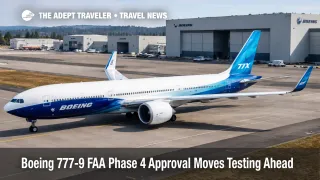
Boeing's long delayed 777-9 program cleared another regulatory gate on March 18, 2026, after Reuters reported that the Federal Aviation Administration approved the aircraft for the fourth phase of certification testing. That does not put the jet into airline service yet, but it does move the Boeing 777-9 certification story from broad delay headlines toward a more specific delivery path that airlines, advisors, and frequent long haul travelers can actually watch. For travelers, the practical takeaway is simple: this is a meaningful milestone, but it still points to 2027, not an immediate fleet rollout.
This is also an update from where the program stood earlier this year. Boeing said in its January 27, 2026 earnings release that the 777X had entered Type Inspection Authorization 3 testing and that first delivery was still expected in 2027. Reuters now reports the FAA has allowed the 777-9 to move into phase 4, while an internal memo described a first flight of a production aircraft in April and a delivery target next year.
Boeing 777-9 Certification: What Changed
What changed is not the end of certification, but the program's position inside it. Reuters reported that the FAA approved the fourth phase of testing after Boeing finance chief Jay Malave said earlier this week that the company had already cleared the third stage and was waiting on the next approval. The FAA declined to comment publicly on the pending certification work, which is consistent with how it handles unfinished approval programs.
That matters because certification progress is the main gate between Boeing's order book and actual passenger service. Boeing has already told investors it still expects first 777-9 delivery in 2027, and that timeline followed another reassessment in late 2025 that pushed the program back again and added a multibillion dollar charge. So while phase 4 approval is real progress, it does not erase the program's six year delay or guarantee there will be no further slip.
Which Travelers And Airlines Have The Most Exposure
The first group that should care is travelers flying carriers that have built long haul fleet plans around the 777X. Lufthansa has been closely watched as the likely early passenger operator, which is why Adept's earlier coverage, Boeing 777X April Test Flight, Lufthansa Delivery 2027, focused on how a production aircraft test flight would help travelers judge when real seat capacity might finally arrive.
The second group is travelers booking future long haul service on airlines that have doubled down on the type despite the delays. Boeing says Emirates ordered 65 more 777X aircraft in November 2025, bringing that carrier's 777X total to 270. Boeing also says Korean Air's 2025 fleet deal included 20 777-9s, and Qatar Airways expanded its 777-9 commitment in 2024 and again as part of its 2025 widebody package. Those orders do not change schedules tomorrow, but they show which airlines are likely to use the aircraft heavily once deliveries begin.
For travelers, the tradeoff is timing. If you are shopping flights for 2026 because you expect a new flagship cabin or more widebody seats on a specific route, this milestone is not enough reason to bet on that outcome yet. If you are looking at 2027 and beyond, the approval does strengthen the case that the aircraft is finally moving through the late certification pipeline rather than sitting in another indefinite holding pattern.
What Travelers Should Do Before Booking Around The 777-9
For most passengers, the smart move is not to book a trip around a hoped for 777-9 assignment unless the airline has already loaded that aircraft type into the schedule and you are comfortable with swap risk. Boeing 777-9 certification progress can improve the odds of future capacity, but fleet delays often show up first as aircraft substitutions, pushed route launches, or uneven cabin availability rather than a clean, systemwide rollout.
If your trip depends on a specific premium product, more upgrade space, or a nonstop that could be tied to future widebody growth, treat 2027 as a watch window, not a promise. Confirm the aircraft type when you book, check again after schedule changes, and keep an eye on seat maps and retiming notices. That is the same practical logic behind Adept's broader fleet delay analysis in FAA Delays on Boeing 737 MAX 10 Hit Airline Capacity, because delayed certification rarely stays confined to a factory floor.
Over the next 24 to 72 hours, the main thing to watch is whether Boeing or the FAA publishes anything more specific than Reuters' reporting, especially around the April production flight and the remaining certification phases. Until then, the program is in better shape than it was a week ago, but not in service, and not close enough for travelers to assume the Boeing 777-9 certification saga is over.
Why This Matters For Long Haul Travel Planning
The mechanism here is straightforward. New widebody aircraft affect traveler outcomes only when certification, production, and airline induction all line up. A testing milestone helps because it narrows uncertainty around the first step, but the second and third steps still matter. Airlines cannot sell reliable future capacity off a regulatory milestone alone. They need deliverable aircraft, trained crews, approved cabin products, and network plans that survive the handoff from manufacturer to operator.
That is why the first order effect of this approval is not a new route or a new cabin, but a better read on timing. The second order effect is what matters more for travelers: once delayed widebody deliveries begin to look more credible, airlines can plan route growth, retirement schedules, and premium cabin inventory with more confidence. If delays persist, those same airlines keep older aircraft longer, delay product rollouts, or concentrate scarce widebody capacity on the highest yielding markets. Boeing 777-9 certification progress therefore matters most as a capacity signal for 2027 and beyond, not as a near term booking trigger for spring or summer 2026.
Sources
- FAA nod propels Boeing's 777-9 into fourth certification stage, Reuters
- Boeing Reports Fourth Quarter Results, Boeing
- Boeing Reports Third Quarter Results, Boeing
- Emirates Orders 65 More Boeing 777X Airplanes, Boeing
- Korean Air Commits to Record Purchase of 103 Boeing Jets to Modernize Fleet, Boeing
- Qatar Airways Announces Order for 20 More Boeing 777-9 Passenger Jets, Boeing
- Boeing and Qatar Airways Announce Historic Order for up to 210 Widebody Airplanes, Boeing