

China Visa-Free Entry Expansion Signals Easier Stopovers
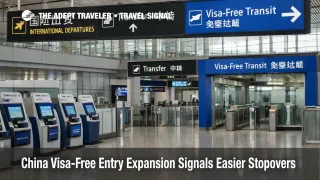
China visa-free entry is moving from a limited convenience for selected travelers toward a broader inbound tourism strategy, but the March 20, 2026 signal is not the same thing as a new rule taking effect today. China's commerce ministry said it will expand visa-free entry to more countries, improve visa-free transit policies, and encourage airlines to offer more discounts for long layovers. For travelers, the immediate value is planning, not assumption. Some visitors can already enter China visa-free for up to 30 days, and some transit passengers can already use the 240-hour, 10 day transit policy, but the next expansion still needs formal implementation details before travelers should book around it.
China Visa-Free Entry: What Changed
What changed on March 20 is policy direction. Reuters reported that the commerce ministry said China will expand visa-free entry to more countries, improve existing visa-free transit policies, and push airlines to offer more discounts for travelers with long layovers. That is a meaningful inbound travel signal because it ties visas, transit, and airline pricing together as one demand stimulus package, not as isolated border tweaks. It also suggests Beijing wants travelers to treat China more often as a destination or stopover, not only as a hard transit point between other markets.
What is already in force is more concrete. China's current 30 day visa-free entry program covers ordinary passport holders from 50 countries for business, tourism, visiting friends or family, exchange, and transit. China also confirmed in February 2026 that Canada and the United Kingdom joined that 30 day visa-free list through December 31, 2026. Separately, the 240-hour visa-free transit program covers nationals of 55 countries transiting onward to a third country or region through designated ports and areas, with stays of up to 10 days.
The practical distinction matters. Visa-free entry lets eligible travelers enter China directly for a short stay. Visa-free transit is narrower, because it usually requires an onward itinerary to a third country or region and compliance with port and area rules. Travelers who blur those two policies are the ones most likely to make expensive booking mistakes.
Which Travelers Benefit Most From China Stopover Changes
The travelers with the most upside are those in already eligible countries who can use China now, and those in not yet eligible countries who are flexible enough to wait for a formal expansion before locking in marginal stopover plans. Long haul passengers connecting between Europe, North America, Oceania, and parts of Asia stand to benefit most if airlines begin discounting long layovers more aggressively, because a cheaper stopover can turn a plain connection into a short city stay in hubs such as Beijing or Shanghai.
The next likely beneficiaries are still unconfirmed. No official country list accompanied the March 20 announcement. But the recent pattern shows China widening access in stages, first across much of Europe and Asia Pacific, then to five Latin American countries in 2025, four Gulf countries in 2025, and Canada and the UK in February 2026. That pattern points more toward additional high value inbound markets and diplomatically prioritized regions than toward a sudden universal opening. ASEAN linked markets and other long haul source countries with strong tourism or business potential look more plausible than a blanket worldwide waiver, but that remains inference until Beijing publishes names, dates, and conditions.
That means travelers from countries not yet covered should not buy a China stopover on the assumption that their market will be added in time. They should treat this as a watch item, not a usable entitlement. In an earlier Adept Traveler article, Visa Requirements for U.S. Travelers: A Global Guide laid out how quickly visa assumptions can break a trip when transit and entry rules do not match the ticket.
What Travelers Should Do Before Booking
Travelers already in the 30 day visa-free group can start using the policy as it exists, but they still need to confirm trip purpose, stay length, and passport type against current Chinese embassy or visa center guidance before ticketing. Travelers planning a China stopover under the 240-hour transit rules should confirm three points before paying, the country eligibility list, the onward third-country requirement, and whether their entry and exit cities fit the permitted transit geography. The biggest booking error is assuming any long layover automatically qualifies.
For travelers in countries not yet included, waiting is smarter than guessing if China is only a side stop on a longer itinerary. Book China now only if you already qualify under rules in force, or if you are comfortable changing plans later. If the fare advantage of a Chinese stopover is small, a fully confirmed visa situation at another Asian hub may still be the better operational choice. The tradeoff is simple, a speculative future visa waiver may save money, but a confirmed present rule protects the itinerary.
There is also a competitive angle. If Chinese airlines or partner carriers begin discounting long layovers more aggressively, hub competition could intensify with other Asian gateways that already market stopovers and seamless transfers. That could create better fares or more aggressive promotions, but it will not matter until carriers actually file fares and package the stopover product clearly. Travelers should watch airline booking engines and official policy notices together, not one without the other.
Why China Is Pushing This, And What Happens Next
The mechanism is economic. Reuters reported that the commerce ministry linked these measures to boosting foreign tourist spending. Visa friction suppresses short leisure trips and weakens stopover demand, while cheaper long layovers and broader transit access can convert pass-through passengers into hotel, retail, dining, and local transport spend. That is why the March 20 announcement matters even before implementation details land. It points to a larger strategy to make inbound travel easier at both the border and the fare level.
What happens next is likely a staggered rollout, not a single big bang rule. China has recently expanded visa-free access through discrete country announcements and separate transit updates, including the February 2026 addition of Canada and the UK to the 30 day waiver and the June 2025 addition of Indonesia to the 240-hour transit list. Travelers should expect the next phase to come through named-country notices, embassy guidance, or immigration announcements, rather than through one general promise alone.
This also fits a broader travel opening pattern inside China, where the state has been trying to reduce entry friction while restoring air links and inbound demand. In an earlier Adept Traveler article, China Fuel Export Ban Raises Asia Travel Risk the pressure point was regional aviation supply. Here, the pressure point is demand generation and traveler conversion. One story is about moving aircraft more cheaply, the other is about filling them more effectively.
Sources
- China vows to expand visa-free entry scheme to boost tourist spending, Reuters
- Foreign Ministry Spokesperson's Remarks on Including Canada and the UK in the Visa-Free Program, Ministry of Foreign Affairs of the People's Republic of China
- FAQs on Visa-free Entry into China, Embassy of the People's Republic of China in Canada
- China Extends 240-hour Visa-Free Transit Policy Coverage to 55 Countries with New Addition of Indonesia, Embassy of the People's Republic of China in the United States
- China to extend visa-free policy to nationals from Brazil, Argentina, Chile, Peru and Uruguay, The State Council of the People's Republic of China
- China will trial a policy granting ordinary passport holders from Saudi Arabia, Oman, Kuwait and Bahrain visa-free entry, The State Council of the People's Republic of China