

Virgin Atlantic Fuel Pressure Keeps U.K. Fares High
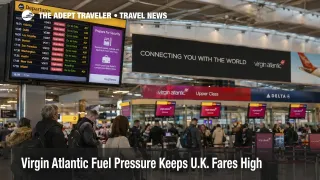
Virgin Atlantic fuel pressure is no longer just an airline cost complaint. As of April 14, 2026, the carrier is warning that all in jet fuel prices remain more than double pre war levels, fuel surcharges are already in place, and its secure fuel visibility runs only about six weeks ahead while it talks with governments and London Heathrow Airport about future access. For travelers booking long haul trips from the United Kingdom, that keeps the problem in the live planning window for late spring and summer. The immediate consequence is not mass cancellations. It is persistently higher fares, more surcharge risk, and less confidence that cheaper routings will stay stable if fuel stress lasts.
Virgin Atlantic Fuel Pressure: What Changed
What changed is that Virgin Atlantic has put a carrier specific marker on a wider fuel problem. Reuters reported on April 14 that chief executive Corneel Koster said higher jet fuel prices are "here to stay," even after the recent ceasefire signal, and that the airline may struggle to return to profitability this year despite already adding fuel surcharges. In a separate Bloomberg reported interview referenced by Reuters, Koster said Virgin Atlantic has about six weeks of secured jet fuel supply before visibility becomes less clear, and that it is working with governments and Heathrow on future access.
That matters because Virgin is a long haul focused carrier with a network built around London Heathrow Airport (LHR). When a Heathrow based airline says the problem is lasting, the traveler facing signal is broader than one fare increase. It suggests summer pricing pressure may persist even if the headlines cool, and it raises the chance that airlines begin protecting their strongest routes first if fuel access or cost pressure worsens. Heathrow itself said on April 13 that global supply chain impacts, including fuel, have not disrupted operations so far, but it also warned that the next few months are uncertain as full runway slots limit flexibility.
Which U.K. Long Haul Trips Face the Most Exposure
The most exposed travelers are the ones who think the risk is only a slightly more expensive ticket. That can be true at first, especially for nonstop leisure demand to the United States, the Caribbean, India, and other long haul markets where Virgin has strong brand pull. But cost pressure usually moves in layers. First order, carriers raise fares and widen surcharge recovery. Second order, thinner backup inventory and tighter reaccommodation room make disrupted itineraries more expensive to fix once something breaks.
Travelers on once daily or thinner frequency routes face more exposure than those on dense trunk markets. So do passengers building trips around separate tickets, short same day connections, or cruise and tour departures that leave little room for delay. A Heathrow departure that still operates can become much less useful if the cheapest fare bucket disappears, the later fallback flight is full, or a schedule trim removes the recovery option that made the itinerary workable in the first place.
Competing London carriers are not isolated from this either. If Virgin keeps defending margins through higher fares and surcharge pressure, some demand shifts to British Airways and other alternatives. But Heathrow's slot constraints mean rival carriers cannot freely flood the market with replacement capacity. That is why the practical issue for travelers is resilience, not only price.
What Travelers Should Do Before Summer Bookings Harden
Travelers booking from the United Kingdom now should compare total trip resilience, not just the headline fare. A slightly more expensive ticket with better change terms, a larger carrier bank, or more than one same day fallback option may be the safer buy while Virgin Atlantic fuel pressure remains unresolved. This is especially true for departures in late April, May, and the early summer build, when airlines may still be adjusting pricing and operational assumptions.
For trips already booked, watch three things closely. The first is any change in fuel surcharge language or total taxes and fees at repricing. The second is schedule change notifications, especially on leisure heavy or thinner routes. The third is whether carrier messaging shifts from higher fuel cost to tighter fuel availability. Once the language moves from pricing pain to access concern, travelers usually lose flexibility rather than gain it. Virgin Atlantic's fare rules already make clear that surcharges and charges can be reflected in ticket pricing, which is why monitoring the full price, not only base fare, matters.
The rebook versus wait decision is fairly straightforward. Rebook earlier if the trip is date critical, depends on a cruise, wedding, tour, or onward separate ticket, or only works on one practical flight. Wait only if you hold a flexible fare, can absorb another price move, and the trip still works if the airline adjusts timing or equipment. The premium for flexibility is still easier to pay before a broader summer hardening than after it.
Why Fare Pressure Could Become Schedule Pressure
The mechanism is not mysterious. Virgin Atlantic and other carriers are dealing with a market where jet fuel remains far above pre war levels, while the wider European system is also trying to secure supply, protect slots, and avoid being caught short if the current strain lasts. In an earlier Adept Traveler article, Europe Jet Fuel Risk Moves Into Emergency Planning, the issue had already moved beyond a simple price story and into contingency positioning by airlines and regulators. In an earlier Adept Traveler signal, Travel Fuel Risk Is Becoming a Refinery Fit Problem, the deeper point was that travel fuel stress spreads through refining, import mix, and airport access, not only crude prices.
That is why this story still sits in the serious planning category even without a confirmed Heathrow fuel disruption. Heathrow says operations have not yet been disrupted by fuel supply chain impacts, but the airport is already describing the outlook as uncertain. If fuel stress eases, this may remain a fare and surcharge story. If it persists, the next phase is more likely to be selective trimming on weaker routes, tighter backup options, and stronger price pressure across the London long haul market. For travelers, the next decision point is whether Virgin Atlantic fuel pressure stays a margin defense story, or starts to narrow the number of realistic itinerary recovery paths.