

easyJet Flags Later Bookings and Uneven Summer Fares
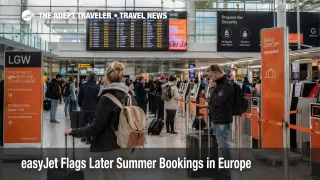
easyJet summer bookings have become a more useful traveler signal than the airline's loss figure. The carrier said on April 16, 2026 that the Iran war has shortened the booking curve, lowered forward visibility, and left summer sales slightly behind last year, even as higher fuel costs keep pushing on fares. That creates a messier summer buying pattern for leisure travelers across Europe. Instead of a clean march upward in prices, travelers should expect a market that can look soft for a moment, then tighten quickly when confidence returns or inventory on popular dates starts to disappear.
easyJet Summer Bookings: What Changed
The new fact is behavioral, not just financial. easyJet said its booking curve has shortened in recent weeks, which means more customers are waiting later to commit, giving the airline less visibility into how summer demand will fill out. Reuters reported that easyJet's third quarter was 63 percent sold versus 65 percent a year earlier, while the airline also warned that the Middle East conflict was creating near term uncertainty around both fuel costs and customer demand. That is a different traveler signal from a simple profit warning. It suggests hesitation is changing the timing of demand, not erasing it outright.
That distinction matters because later booking behavior can produce stranger fare moves than a normal soft market. If demand were simply collapsing, airlines would likely cut hard and discount more consistently. A shorter booking window creates something less predictable. Prices can stay loose on some dates, then jump late when enough travelers finally book at once, especially on school holiday departures, leisure trunk routes, and flights with limited same day alternatives. In an earlier Adept Traveler article, Europe Travel Slowdown Hits Spring Booking Window, the hesitation signal was already showing up in broader Europe demand. easyJet now gives that pattern a cleaner airline level confirmation.
Which Europe Leisure Markets Look Most Exposed
The most exposed markets are leisure flows where travelers have a habit of booking later anyway, and where confidence has been shaken without fully breaking. Reuters reported in March that easyJet was seeing demand shift away from Eastern Mediterranean destinations such as Turkey, Cyprus, and Egypt, while Spain and other Western Mediterranean markets were holding up better. That does not mean Eastern Mediterranean demand disappears. It means those markets become more timing sensitive, with a bigger gap between what looks weak early and what may still fill closer in if nerves settle.
Travelers should separate delayed booking behavior from outright demand weakness. Delayed booking means people still want the trip, but want more clarity first on safety headlines, fuel driven fares, or broader summer stability. Outright weakness is different, it shows up when routes stay soft even near departure, carriers start cutting frequencies, or package sellers keep widening discounts without getting traction. easyJet has not framed this as a broad collapse. It has framed it as lower visibility, which is more dangerous for travelers trying to game a late deal because late visibility can still end in late price spikes.
In an earlier Adept Traveler article, Europe Fuel Shock Threatens Summer Airfares, the main question was how fuel stress would feed into fares. easyJet adds a second layer, customer hesitation is now colliding with that cost pressure. That combination is what makes summer pricing more uneven than travelers may expect.
What Travelers Should Do Before Waiting for a Late Deal
Travelers with fixed dates should be more cautious about waiting for a dramatic late drop, especially on peak departures, family holiday weeks, and routes with only one or two practical daily options. The safer move is to book earlier once the fare is acceptable, not perfect, if the trip depends on a specific week, school calendar, or limited hotel inventory. Later booking behavior can create short windows of value, but it also makes those windows easier to miss.
Waiting still makes sense in narrower cases. Travelers with flexible dates, flexible airports, and a willingness to swap between Western and Eastern Mediterranean options may still find softer pockets, particularly where airlines or tour operators want to stimulate demand without cutting capacity yet. But that strategy works best when the traveler can walk away from one destination and pivot to another, not when the whole trip depends on one specific island, one resort area, or one Saturday departure.
The main signals to watch over the next several weeks are simple. If sold percentages keep lagging and carriers do not cut much capacity, late discounts become more plausible. If fuel costs stay high, demand confidence improves, or airlines start trimming weaker frequencies, the late bargain window narrows fast. Watch for schedule cuts, stronger package load factors, and any renewed stabilization in Eastern Mediterranean demand, because those are the clues that waiting is getting riskier.
Why the Pricing Pattern Is Getting Harder To Read
Fuel is the mechanism that keeps this from being a simple consumer confidence story. Europe's jet fuel supply chain is under stress, with Reuters reporting that April jet fuel imports into Europe were expected to fall sharply from the 2025 average as the region leaned harder on long haul replacement supply. easyJet is also absorbing higher fuel costs now, even with hedging. When fuel remains expensive, airlines are less willing to leave cheap seats in the market for long, even if customers are booking later.
That creates a two speed summer market. First order, travelers may see more fare volatility and less reliable signals from early season pricing. Second order, destinations that rely on late leisure flows can become harder to staff and price correctly across airports, ground transfers, and package inventory. Airports and suppliers plan around expected passenger timing. When bookings slide later, staffing assumptions and pricing decisions across the chain get less stable. That does not guarantee disruption by itself, but it does make summer travel planning less forgiving.
What happens next depends on whether hesitation fades before fuel pressure does. If conflict risk cools and travelers regain confidence, some of the late demand could still come back in a rush. If fuel stays elevated and nervous booking behavior lingers, Europe's summer leisure market may keep producing mixed signals, soft one week, expensive the next, with fewer obvious bargains than travelers expect. For now, easyJet's update says the cleanest read is this, waiting has become a bigger gamble, not automatically a smarter strategy.
Sources
- easyJet Trading Update for the Six Months Ended March 31, 2026
- EasyJet Warns Iran War to Hit Summer Bookings, Deepen First Half Loss, Reuters via MarketScreener
- easyJet Warns Iran War Will Push Up Ticket Prices From End of Summer, Reuters
- Europe's Summer Flights at Risk as Iran War Exposes Refining Decline, Reuters