

Fastboats Bali to Lombok Suspended, Same Day Canceled
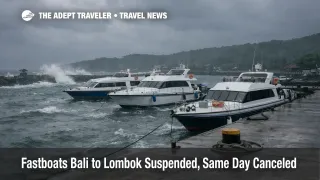
Fastboat and high speed ferry movements between Bali, Indonesia, and Lombok, Indonesia, have been suspended during a severe weather window because sea conditions are unsafe for small, fast craft. Travelers are most affected if they planned same day island hops for resort check ins, diving days, or airport connections that rely on a morning sailing. The practical move is to assume same day cancellations are possible, avoid committing to tight onward timing, and pivot early to flights or an overnight buffer when your schedule cannot slip.
The Bali Lombok fastboats suspended situation matters because the Bali to Lombok corridor functions like an inter island bridge for many itineraries, and when it closes, travelers lose the quickest way to reposition for fixed commitments.
Who Is Affected
Island hoppers using fastboats from common Bali departure areas like Sanur and Padang Bai face the most immediate disruption because cancellations can post close to sailing time once the latest observations and port safety decisions come in. That timing is what strands travelers in transfer vans or at check in counters, especially when bookings were built around a single departure window rather than a flexible day plan.
Travelers connecting to flights are exposed in two directions. Visitors ending a Lombok stay and trying to reach I Gusti Ngurah Rai International Airport (DPS) for an international departure can lose the entire day if the boat leg fails, while travelers arriving in Bali and aiming to reach Lombok resorts by afternoon can miss check in cutoffs and prebooked transfers when the sea lane stays closed.
Tours and boat based activities are also a secondary victim because the same weather pattern that drives fastboat suspensions can also degrade snorkeling, diving, and small craft excursions around the Gilis and Lombok's west coast. Even if a traveler reaches Lombok by air, operators may trim schedules, shorten routes, or cancel water activities until conditions stabilize.
For a comparable mental model of how maritime suspensions cascade into overnights and rebook pressure, travelers can compare recent recovery patterns in Greece Ferry Sailing Bans Hit Islands January 21, 2026 and the broader multi mode weather impacts described in Severe Weather North Island Flights and Ferries Jan 21-22.
What Travelers Should Do
Immediate actions should focus on preventing wasted transfers and protecting any non flexible booking. Travelers should check the specific operator status before leaving their hotel, and again right before departing for the port, because a sailing can move from operating to canceled once the suspension order is applied. If a driver or prepaid transfer is already en route, send the cancellation notice immediately and ask to shift the pickup to a later confirmed departure window or to the airport if you decide to fly instead.
Decision thresholds should be explicit, because waiting for a restart can feel reasonable right up until the day is gone. If you must be on the other island by a fixed time, for a wedding, a liveaboard, a cruise connection, or an international flight, treat a suspension notice as your trigger to pivot to flying the same day, or to book an overnight and move your crossing to the first reliable window the next day. If your plans are flexible and your lodging is stable, monitoring and waiting can be acceptable, but only if you are prepared for the backlog effect where the first resumed sailings fill quickly and rebook options narrow.
Over the next 24 to 72 hours, monitor signals that indicate whether the system is improving or staying fragile. Watch BMKG marine forecasts for the Lombok Strait and nearby waters for falling wave heights and easing gusts, then watch port authority and operator language shift from suspended or canceled to operating normally rather than weather permitting. Travelers should also watch for a recovery tail, meaning even after seas briefly calm, operators may need time to reposition vessels, rebuild timetables, and clear passengers from earlier canceled departures.
Background
Fastboat and ferry suspensions are a safety control, not a customer service choice. Port authorities and maritime officials can halt departures when wind, swell, and wave heights exceed the operational limits of specific vessel classes, or when channel and harbor approaches become too hazardous for safe maneuvering. In this weather window, BMKG issued warnings and marine forecasts that show elevated wave heights in the broader Bali and Lombok sea lanes, including a forecast period with potential waves reaching up to about 4.0 meters in exposed waters around the Bali region, which is the type of sea state that makes fast craft operations unsafe.
The disruption spreads through the travel system in layers. First order effects hit at the source, boats do not depart, arrivals do not happen, and travelers stack up at ticket counters and waiting areas while operators manage refunds, rebookings, and vessel safety. Second order ripples follow quickly across at least two other layers. Hotel demand spikes in staging areas such as Sanur and Padang Bai on Bali and in Lombok's main arrival and urban zones as travelers protect onward plans by overnighting, and that can tighten last minute availability and raise prices. Air substitution pressure rises on short domestic flights between Bali and Lombok because travelers who cannot wait shift to flying, which can reduce same day seat availability and create its own misconnect risk if airport transfers are congested or if weather also affects aviation operations.
Sources
- Prakiraan Cuaca Perairan Selat Lombok Bagian Selatan, BMKG Maritim
- Peringatan Gelombang Tinggi, BMKG Maritim
- BBMKG terbitkan peringatan dini tinggi gelombang 4 meter di Bali, ANTARA News
- Gelombang Selat Lombok Tinggi 4 Meter, 27 Fast Boat Stop Beroperasi, NusaBali
- I Gusti Ngurah Rai International Airport
- Welcome to Lombok Airport