

Fern Galveston Cruise, Cozumel Stop Canceled
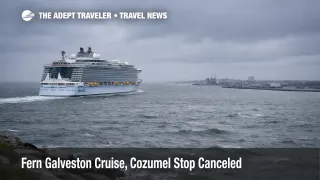
Royal Caribbean shortened a Western Caribbean sailing on Harmony of the Seas and planned an early return to Galveston, Texas, after dropping a scheduled Cozumel, Mexico, port call. The change affects passengers onboard that sailing, plus anyone with tight post cruise flights, transfers, or hotel checkouts built around the original return day. Travelers should treat this as a logistics shift first, confirm the new debarkation day, then rework flights and ground transport before storm recovery crowds out options.
The Fern Galveston cruise Cozumel canceled decision shows how winter weather can reshape a Gulf Coast itinerary even when the ship is already in warm waters, because the bigger risk is getting thousands of people off the ship and through the regional travel system before ice and cancellations pile up.
Royal Caribbean said the ship would now return to Galveston on Saturday, January 24, 2026, instead of Sunday, January 25, 2026, and that it would skip its planned Cozumel visit to improve guests' odds of traveling home ahead of worsening conditions in Southeast Texas. The line framed the move as a way to avoid storm impacts to "local infrastructure and transportation," which is where cruise turn days usually fail during winter events.
Who Is Affected
Passengers currently sailing on Harmony of the Seas are the primary group affected, especially anyone who prepaid for Cozumel shore excursions, booked independent tours, or planned a short connection to flights after returning to Texas. Royal Caribbean said prepaid Cozumel shore excursions would be reimbursed, but independent bookings often require the traveler to request refunds directly, which makes timing and documentation matter.
A second group is travelers flying out of the Houston region after the cruise. Winter Storm Fern drove mass cancellations across the U.S., and Texas hubs saw meaningful disruption, including cancellations and delays at Houston airports as the wider network deteriorated. That raises the chance that a "perfectly timed" post cruise flight becomes a forced overnight, with higher last minute hotel and rental car prices.
A third group is anyone scheduled to embark on near term Galveston sailings, because storm driven irregular operations tend to compress arrivals into narrower windows. Even when cruise operations continue, the limiting factor becomes whether passengers can physically reach the terminal, and whether airlines can deliver inbound guests on time when crews and aircraft are out of position. Chron reported that Galveston cruise operations were largely steady overall, but the Harmony of the Seas adjustment illustrates how quickly a line will trade a port call for a cleaner turnaround when the forecast threatens the homeport travel corridor.
What Travelers Should Do
Lock down your new timeline in writing, then rebuild your day around what happens on Saturday, January 24, 2026, not what your original documents said. If you had a same day flight, move it earlier only if the airline can protect the connection and the airport is operating normally, otherwise plan for a Saturday overnight near Houston George Bush Intercontinental Airport (IAH) or William P. Hobby Airport (HOU) and fly out Sunday. A key practical detail is that Royal Caribbean said guests who could not depart Saturday could remain onboard until Sunday, but that process involves U.S. Customs and Border Protection procedures where guests debark with documents and reboard after the ship is fully cleared.
Use a clear threshold for rebooking versus waiting. If your plan requires one specific flight with no later same day backup, or a long drive that crosses elevated roadways during a freeze window, rebook as soon as airline waivers and cancellation trends turn upward, because recovery seats disappear quickly once a storm scatters crews and aircraft. Reuters reported thousands of cancellations nationwide, a pattern that typically produces rolling changes for several days, even after the worst weather passes.
Over the next 24 to 72 hours, monitor three layers that change quickly in winter operations: cruise line text and email updates, your specific flight's status and waiver rules, and local road conditions for the port to Houston transfer corridor. When Houston flight schedules begin to thin, build time for deicing delays, longer security lines, and limited rebooking inventory, and avoid tight same day plans that assume normal operations. For the wider storm signal that can shape airline recovery and waiver footprints, use Winter Storm Fern US Flights, Delays Linger Jan 26 and Winter Storm Fern, U.S. Cruise Homeports Disrupted as reference points.
How It Works
Cruise itinerary compression ahead of winter weather is usually about land access, not sea state. The first order effect is straightforward: a port call is dropped, sea days are rearranged, and the ship returns earlier so debarkation can occur before ice, travel restrictions, or staffing constraints make the homeport unsafe or chaotic. In this case, Royal Caribbean said it had to skip Cozumel and return to Galveston one day early, while providing a refund of one day of paid cruise fare as onboard credit and reimbursing prepaid excursions for the missed call.
The second order ripples are what break traveler plans. When a ship returns early, airports and highways see a sudden surge in demand inside a narrower window, and travelers who expected a Sunday flow now compete for Saturday hotel rooms, rental cars, and remaining flight seats. At the same time, a large storm event can degrade the national flight network, meaning even travelers whose local weather is manageable can still lose their flight because the aircraft or crew never arrived. Reuters noted how interconnected airline operations leave equipment and crews out of position after widespread cancellations, which slows the return to normal schedules.
Galveston itself can remain operational while traveler mobility degrades. Chron reported that most Gulf Coast cruise operations saw minimal direct interruption, but the Harmony of the Seas change shows the risk math cruise lines use: sacrificing a port day can be cheaper than trapping thousands of guests in a region where airports are canceling flights and road conditions may worsen.