

Bahamas Cruise Port Swaps Rise in High Winds
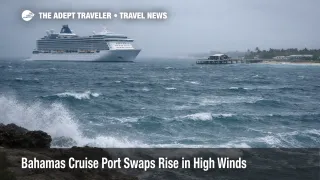
Rough seas and strong winds around the Bahamas are broadening into a multi line pattern of last minute itinerary changes, with ships skipping private islands and exposed docks when conditions are not safe for docking or tendering. The travelers most affected are short Caribbean cruisers who book these sailings for one or two high value shore days, often at private islands, and who plan flights, hotels, or meet ups around specific port hours. The practical move now is to watch your cruise line app closely, assume port hours can shift with little notice, and keep shore plans flexible until the ship is committed to the approach.
The change is simple, Bahamas cruise port swaps are rising because forecast gale conditions and very rough seas are creating repeated windows where captains and ports choose safety over schedule. Marine forecasts covering the southwest North Atlantic, including the Bahamas, flagged gale force winds and rough seas north of roughly 26N from February 5 to February 6, 2026, with another round of strong conditions possible into the weekend.
Who Is Affected
Cruisers with Bahamas private island calls are the most exposed, because private islands are often designed around a single docking configuration, and they can be more sensitive to swell direction, surge, and crosswinds than a sheltered commercial harbor. Royal Caribbean itineraries that include Perfect Day at CocoCay have already seen substitutions when weather and storm related pier constraints reduced operational flexibility. Norwegian Cruise Line guests calling on Great Stirrup Cay have also faced impacts after storm damage made the pier unsafe to use for docking, pushing the day back toward tender operations, weather permitting.
Travelers booked on short sailings that rely on one or two Bahamas calls also take an outsized value hit when a port cancels, because there are fewer remaining shore days to substitute. Recent examples have included canceled calls at Bimini tied to wind and port closure decisions, which can leave ships with sea days instead of a workable alternate. Carnival has also adjusted Bahamas itineraries to avoid rough sea conditions, including skips at Bimini and timing changes at other stops, which is the kind of multi port reshuffle that can change shore day value even when the cruise still runs as scheduled.
A second group affected is anyone who pre booked independent shore tours with tight meet times or strict cancellation terms. When a ship swaps to a substitute port, the entire shore marketplace changes, and those original tours usually cannot follow you. The third group is travelers with tight pre cruise and post cruise stacks, such as same day flights, single night hotels, or event timing that assumes a predictable arrival and disembark rhythm. Even if the ship returns to its homeport on time, a disrupted week can alter onboard crowding, guest service lines, and morning logistics in ways that increase stress for travelers trying to execute a tight plan.
For related coverage on the same disruption type, see CocoCay Pier Damage Hits Royal Caribbean Calls and Celebrity Reflection Fort Lauderdale Cruise To Nowhere.
What Travelers Should Do
Start with immediate verification and buffers. Open your cruise line app at least twice daily and again the evening before each Bahamas call, then screenshot the current itinerary and port hours so you can track changes. Treat any private island day as conditional until the ship is on approach, and assume that tender operations can be cut first if wind and swell remain elevated.
Use clear decision thresholds for rebooking versus waiting. If the private island day is the main reason you booked, and forecasts still show sustained strong winds and rough seas inside the 24 to 72 hour window before arrival, it is rational to ask whether you would rather move to a later sailing date, or switch to an itinerary with additional sheltered ports that preserve shore value if one call cancels. If you are already sailing, shift spend toward onboard options that you control, and delay committing to nonrefundable third party shore purchases until the call looks firm.
Over the next 24 to 72 hours, monitor the specific hazard that drives the skip decision, which is not rain, it is wind direction, gusts, and swell that can make docking angles and tender transfers unsafe. When multiple ships reroute to the same fallback port, expect uneven crowding, sold out tours, and changed traffic flow near the pier, so build extra time into your return to ship plan, and avoid scheduling anything rigid right after the port window. Continue to watch official marine forecasts for the Bahamas corridor because gale conditions can shift day to day even within the same frontal pattern.
How It Works
Cruise ports get cut in high wind setups for a few repeatable reasons. First order effects start at the pier face and the transfer itself, crosswinds and swell can make it unsafe to bring a large ship alongside, and they can also make small boat tender boarding unsafe even when the ship can safely remain offshore. Private islands amplify this risk because the entire guest experience depends on that one interface, either the dock, or the tender platform.
Second order ripples spread through at least two layers of the travel system quickly. On the cruise side, a canceled call turns into a sea day or a substitute port, which reshapes onboard demand, dining, spa inventory, and guest service volume at the same time that shore operators lose concentrated revenue. On the land side, substitute ports can create uneven crowding when multiple ships converge, driving repriced excursions, longer waits, and changed transport availability. Finally, the traveler logistics layer gets hit, because schedule changes can alter the pacing of the voyage and the stress level on the final morning, which matters most for travelers who planned tight flights, hotels, or onward connections.
Sources
- National Weather Service Marine Forecast, Synopsis for the SW N Atlantic including the Bahamas
- NHC Offshore Waters Forecast, SW North Atlantic
- Winter Storm Prevents Visit to Perfect Day at CocoCay
- Winter Storms Force Closures at Norwegian Cruise Line's Great Stirrup Cay
- Carnival Ship Shifts Itinerary to Keep Guests Clear of Dangerous Winter Storm