

Carnival Sunshine Norfolk Delay Changes Port Calls
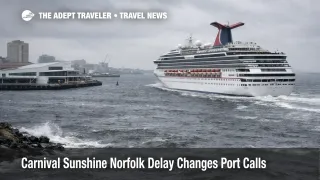
Carnival Sunshine's schedule out of Norfolk shifted after weather led to a Port of Norfolk closure, pushing the ship's turnaround later and forcing itinerary adjustments. Embarking guests, especially those arriving by air or with tight same day transfers, are the most exposed because terminal timing, parking plans, and hotel nights are all tied to the original departure window. The practical move is to treat the revised boarding day as a high friction travel day, build extra buffer into every step, and avoid planning anything time critical after your terminal arrival appointment.
The Carnival Sunshine Norfolk delay matters because a cruise turnaround is a chained operation, the ship has to arrive, clear, provision, and board thousands of guests on a clock, and when the first link slips, everything downstream compresses.
Who Is Affected
Travelers embarking in Norfolk are the primary group, particularly anyone who planned to fly in and board the same day, or anyone driving in from outside the region with a narrow arrival window. Carnival's guidance has emphasized following original terminal appointment times on the revised day and meeting an early afternoon onboard cutoff, which creates a smaller margin for flight delays, traffic, parking shuttles, and check in queues.
Guests already on board during the preceding sailing are also indirectly affected because delayed arrivals into homeport change debarkation pacing and can tighten the crew's turnaround timeline for cleaning, baggage moves, and provisioning. When weather and port conditions slow that work, the boarding day experience typically shifts toward more waiting, more crowding in bottleneck areas, and a higher chance that stateroom access or services come online later than guests expect.
Families, groups with prebooked excursions, and travelers with accessibility needs should be especially conservative. A port cancellation or shortened call can wipe out a paid tour day, and even when refunds are issued, the larger cost can be the lost experience and the scramble to rebuild plans onboard.
What Travelers Should Do
If you have not started travel to Norfolk yet, build a buffer that assumes both cold weather friction and operational compression. If you are flying, prefer an arrival that leaves several hours of slack before your terminal appointment time, and consider shifting to an earlier flight, or traveling the day before, if your current plan relies on perfect on time performance. If you are driving, plan to arrive earlier than you normally would for a cruise turnaround, because parking, shuttle loads, and terminal entry can all slow when a sailing is already behind the clock.
Use a clear decision threshold for rebooking versus waiting. If your inbound plan includes a connection, a long drive on the morning of embarkation, or a separate ticket that could strand you, treat that as a reason to move earlier or add a night near Norfolk rather than gambling on same day recovery. If your only option is same day travel, reduce steps in the chain, avoid unnecessary stops, and keep your arrival plan simple.
Over the next 24 to 72 hours, monitor three streams in parallel. First, Carnival's email and text updates for any further tweaks to terminal arrival handling, onboard deadlines, or port times. Second, local weather and marine conditions that could affect harbor operations and road travel in Hampton Roads, especially during extreme cold and wind advisories. Third, any excursion updates inside the Carnival planner or onboard communications, because tours can be canceled or retimed when a port is dropped or a call window shifts.
For comparable weather driven marine disruption patterns, see NYC Ferry Ice Shutdown Delays Waterfront Travel and Bermuda Gale Winds Suspend Ferries, Causeway Risk.
How It Works
A homeport turnaround is a tightly staged sequence that depends on the ship arriving on schedule, the port being open, and safe conditions for piloting, docking, and passenger movement. When weather closes a port, the ship cannot berth, and that pushes debarkation later, which then compresses the time available for cleaning, inspections, catering, fuel, and baggage logistics before the next group boards. Even if the ship sails the same day, the operation often runs "hot," meaning later boarding, less slack for resolving issues at check in, and less tolerance for late arriving guests.
The disruption then propagates beyond the terminal. First order effects hit the guest, embarkation timing slips, at least one port call can be canceled, and sea days may be reshuffled to fit the new sailing envelope. Reporting on this specific event indicates the sailing was shortened, Half Moon Cay was dropped, and remaining port timing was adjusted, with Carnival also communicating an onboard deadline tied to the revised departure plan.
Second order ripples spread across at least two additional layers. Air travel and ground transfers are the most immediate because many travelers book flights, hotels, and rides around an original all aboard window, and when that shifts, it can trigger missed inbound flights, unplanned hotel nights, and extra parking costs. The excursion layer is next, because a canceled port call automatically cancels tours tied to that stop, and other tours can be retimed to match new arrival windows, which can cascade into dining reservations and private guides booked independently. Finally, onboard services can compress because entertainment, dining demand, and guest services lines concentrate into a shorter cruise week, especially on a sailing that effectively starts late and then tries to regain schedule at sea.