

Europe EES Boarding Checks Tighten on April 10
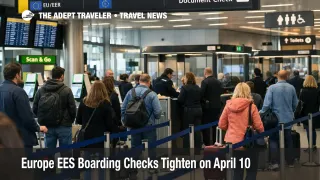
Europe EES boarding checks become a more practical trip risk on April 10, 2026, because the Entry Exit System, or EES, reaches full operation that day and manual passport stamping ends across participating borders. The main shift is that some problems can now surface before departure, not only after arrival, especially for travelers whose first Schengen entry is tied to a flight, ferry, or international rail segment with fixed cutoffs. For low margin itineraries, the safer move is more buffer at check in, more time at the first external border, and less reliance on same day onward connections.
Europe EES Boarding Checks: What Changed
The legal deadline is now fixed. The European Commission says EES replaces manual passport stamping as of April 10, 2026, after a six month rollout period that began on October 12, 2025. The Dutch government says passport stamping is abolished from April 10, 2026, which gives travelers a clear sign that the old fallback process is ending.
The sharper angle now is carrier side enforcement. VFS Global says that from April 10, 2026, transport carriers must verify before boarding that non EU nationals who need a short stay visa hold a valid visa and still have authorized entries left. If those checks fail, boarding authorization is denied. That does not create a new boarding hurdle for every non EU traveler, but it does raise the check in failure risk for visa holders whose documents, visa validity, or remaining entries do not match the trip they are about to take.
For visa exempt travelers, the bigger operational issue remains first registration at the border. EES covers non EU nationals entering participating countries for short stays of up to 90 days in 180 days, whether they are visa exempt or traveling on a short stay visa, unless an exemption applies. First time travelers are generally routed into a fuller enrollment process with passport data plus biometric capture, while later crossings should lean more toward verification than full registration.
Which Travelers Face the Most EES Friction
The highest exposure sits with non EU short stay travelers making their first EES entry into Schengen on or after April 10, 2026, especially if that arrival is tied to a short onward rail leg, a domestic European flight, a ferry departure, or a timed hotel and tour plan later the same day. The first order effect is slower processing at the first external border. The second order effect is that small border delays can break plans that were built with no slack.
Air travelers are exposed where border control still sits between arrival and the rest of the itinerary. A first EES registration at a major gateway can eat into the margin for separate ticket connections, airport rail transfers, and last mile arrivals into city centers. Ferry travelers face a similar issue, but the pain point depends on where controls happen. On some Channel routes and terminals, border processing can bite before departure, not after arrival, which turns a border rule into a boarding window problem. International rail travelers on Eurostar and other cross border services are also vulnerable where terminal check in and border control are compressed into one fixed pre departure funnel.
Repeat crossings should usually move faster than first registration, because the biometric and document record should already exist in the system. That does not remove delay risk, but it does shift the worst timing pressure toward the first Schengen entry point in a trip rather than every later movement. Travelers exempt from EES, including holders of residence permits or long stay visas covered by the exemption rules, should not assume they are in the same workflow as short stay visitors.
What Travelers Should Do Before Departure
Travelers who need a short stay Schengen visa should treat document matching as a pre departure task, not an airport task. Check that the visa is still valid for the travel dates, that the passport being presented matches the booking and visa, and that the number of authorized entries has not already been used up. On or after April 10, 2026, that is a direct boarding threshold, not just an arrival inspection issue.
Travelers making a first EES registration should add more time at the first Schengen entry point and stop planning tight same day onward moves through that gateway. For air itineraries, that means being cautious with separate tickets and short airport rail transfers. For ferries and international rail, it means treating terminal arrival time as a hard protection window, because part of the delay risk may now sit before boarding. In an earlier Adept Traveler article, Channel EES Checks Stay Uneven at UK-France Crossings, the operational warning was that UK France processing may still vary by terminal and operator even as the legal deadline arrives.
The cleanest threshold is simple. If the first Schengen entry on April 10, 2026, or shortly after, is tied to a low margin onward segment, move that onward segment later, overnight near the gateway, or build in a larger transfer cushion. Waiting may save a booking change fee, but it can cost the entire day if border processing runs long at the point where the trip first touches Schengen.
Why April 10 Changes the Failure Point
The mechanism is not only biometric processing. It is where enforcement now lands. Under the old manual stamp model, many travelers thought of the problem as an arrival immigration question. From April 10, 2026, the system is fully live, passport stamping ends at participating borders, and at least some carrier checks move the first hard failure point upstream to check in and boarding for affected visa holders.
That makes April 10 different from the earlier rollout phase. In an earlier Adept Traveler article, Schengen EES Goes Fully Live on April 10, the main focus was the hard go live date and broader first entry queue risk. The narrower read now is that Europe EES boarding checks sharpen the planning problem for carriers, terminals, and travelers whose itinerary can fail before they even leave.
What happens next is likely uneven. First registration should remain the slowest step, repeat crossings should usually settle into faster verification, and specific terminals will matter more than headlines. Travelers should monitor their carrier, their departure terminal, and the exact first Schengen entry point, because the same rule can still feel very different at an airport arrivals hall, a ferry terminal, or an international rail station.