

Australia Domestic Fares Rise as Virgin Moves
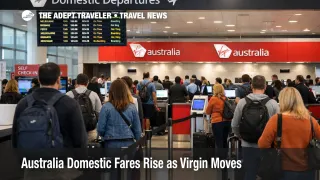
Virgin Australia domestic fares are now moving higher in Australia after the carrier told Reuters on March 20, 2026, that it is adjusting prices as aviation cost pressure worsens. For travelers, that shifts the fuel crisis from an international headline into a domestic booking problem, because the price response has spread from long haul tickets into flights many Australians use to reach major gateways, holidays, and work trips. The operational change is meaningful, even if Virgin did not publicly spell out route by route pricing, because domestic fare pressure can ripple quickly into weaker self connect economics, pricier last minute trips, and thinner flexibility if airlines later decide fare rises alone are not enough. Travelers booking Australia trips over the next several days should expect less pricing slack than they had a week ago, especially on routes that feed Sydney, Melbourne, Brisbane, and leisure regions.
Virgin Australia Domestic Fares: What Changed
What changed on March 20 is that Virgin Australia confirmed the cost pass through has reached its domestic network. Reuters reported that Virgin said it is adjusting fares as rising costs across the aviation sector are being significantly exacerbated by the situation in the Middle East. The carrier did not publish a route list, a percentage increase, or a formal start time in the Reuters report, so those details remain unconfirmed in first party reporting. That matters, because the story is no longer just about international fares on Europe bound or Asia bound itineraries. It is now also about everyday domestic pricing inside Australia.
This follows Qantas moving earlier on international fares. Reuters reported on March 10 that Qantas said it would hike fares on international routes that week and was also considering adding capacity on existing Europe services as demand rerouted around the Gulf system. Air New Zealand moved even more bluntly on March 10, saying it had already raised one way economy fares by NZ$10 on domestic routes, NZ$20 on short haul services, and NZ$90 on long haul flights, while warning that further pricing action and schedule changes could follow if fuel costs stayed elevated.
The pattern matters more than any one carrier. In less than two weeks, Australasia has moved from isolated international pricing stress to a broader regional pass through that now reaches domestic travel, long haul departures, and network planning.
Which Travelers in Australia Are Most Exposed
The most exposed travelers are not only people flying Virgin for a standalone domestic trip. The bigger risk sits with passengers using domestic sectors as feeders into international departures, cruise embarkations, major events, or separate ticket itineraries. When the domestic leg gets more expensive, the total trip cost rises twice, once in the local fare itself, and again in the value of flexibility lost if changing flights later becomes more expensive.
There is also a second order effect on tourism regions that depend on affordable domestic feed. If higher fares stick, destinations that rely on short notice or price sensitive domestic demand can feel the hit before any formal capacity cuts show up. That does not mean route reductions are happening now at Virgin. Reuters did not report any such cuts on March 20. It does mean the domestic market is entering the same logic chain already visible elsewhere, first fares move, then schedules come under review if fuel stays high and demand softens.
The exposure is different by trip type. Travelers on single ticket itineraries through major gateways still have more protection than self connect passengers stitching together separate domestic and international bookings. Corporate travelers and higher yield leisure demand usually absorb price rises more easily. Price sensitive domestic flyers, regional travelers, and families booking multiple seats tend to feel the change faster.
What Travelers Should Do Before More Pricing Moves
The immediate move is simple. If a domestic Australia flight is already part of a larger trip, price it again now rather than assuming the fare will hold through the weekend. Virgin's Reuters statement confirms direction, even if not every fare bucket or start time is public yet. Waiting may still work on some routes, but the market signal is now clearly upward.
For connected trips, the decision threshold is whether the domestic segment is replaceable at a reasonable cost if plans change. If the trip depends on a same day self connect into a long haul departure, a cruise, or a nonrefundable land booking, the safer move is to simplify the chain while alternatives still exist. The tradeoff is paying a bit more now versus risking a much more expensive repair later if the fare environment tightens and reaccommodation options shrink.
Over the next 24 to 72 hours, watch three things. First, whether Virgin publishes more precise fare implementation details through its own sales channels. Second, whether Qantas extends cost recovery beyond its earlier international fare response. Third, whether Air New Zealand or other regional carriers deepen the shift from fare action into network action. In an earlier Adept Traveler article, Australia Fuel Reserve Move Flags Regional Travel Risk the focus was broader fuel resilience. This new Virgin move brings the traveler facing price effect closer to the point of sale.
Why the Australasia Fuel Shock Is Spreading
The mechanism is straightforward. Airlines buy jet fuel, not crude alone, and the cost of refined fuel can rise faster than the underlying oil benchmark when refinery margins and supply stress widen. Air New Zealand explained this directly in its March 10 market update, noting that jet fuel pricing reflects both Brent crude and the crack spread, which had become unusually volatile after the Middle East escalation. Even carriers with hedging are not fully insulated from that second layer of exposure.
That is why the regional pattern now looks more serious than a temporary airfare wobble. Qantas still had substantial fuel hedging in place when it raised international fares. Virgin previously said it was hedging 85 percent of fuel and 94 percent of foreign exchange for the second half of its financial year. Air New Zealand said it was 83 percent hedged against Brent crude for the same period. Yet all three carriers still moved or warned because hedging softens part of the shock, it does not erase refining, supply chain, and routing pressure.
What happens next depends on duration. If fuel markets stabilize, this may remain mostly a pricing story. If they do not, the next stage is usually schedule protection, which means slower growth, selective trimming on weaker routes, and tighter recovery options when disruptions hit. In an earlier Adept Traveler article, Air New Zealand Cuts 1,100 Flights Through Early May that second stage had already arrived in New Zealand. Australia is not there in this Virgin update, but the travel system is now moving in that direction.