

Air Transat Pilot Deal Eases Strike Risk For Flights
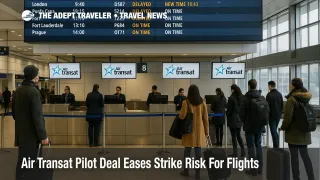
Air Transat pilot strike risk is easing in Canada after the carrier and its pilots union reached a tentative agreement late on December 9, 2025. The biggest winners are holiday and winter sun travelers booked on Air Transat flights to Europe, Mexico, the Caribbean, and Florida, who now face lower odds of a systemwide shutdown. Even with a deal in hand, passengers should keep checking schedules, add connection buffer time, and watch for ratification updates, because some disruption can linger during the restart, and risk can return if the vote fails.
The Air Transat pilot strike risk shifted sharply toward normal operations once the tentative agreement was reached, but travelers should treat the rest of December as a period of elevated schedule change risk rather than a clean return to routine.
What Changed
The Air Line Pilots Association, International, which represents more than 750 Air Transat pilots, said pilot leaders approved a tentative agreement for a ratification vote, after nearly a year of talks. Air Transat also posted that the strike threat has ended, that the agreement will go to members for ratification "in the coming days," and that operations are returning to normal. Reuters reporting tied the deal to higher wages and improved working conditions, and noted that the agreement followed a 72 hour strike notice that had already triggered flight suspensions ahead of a potential walkout.
For travelers, this sequence matters because the airline had already begun a controlled wind down to avoid stranding crews and passengers. Even when a strike is averted, that kind of wind down can echo for several days through late aircraft arrivals, crew legality constraints, and uneven capacity as aircraft reposition back into the schedule.
Background, How Canada Strike Timelines Work
In Canada's federally regulated labor system, a strike or lockout generally becomes legal only after formal conciliation, a 21 day cooling off period, a positive strike mandate, a maintenance of activities process, and a 72 hour notice. That structure is why labor disputes often feel quiet, then suddenly become very real inside a week, when notice is issued and airlines begin preemptive cancellations. The same structure is also why tentative agreements can arrive very late, sometimes after a carrier has already started pulling flights down to protect the network.
What Holiday Ticket Holders Should Do Now
First, treat your itinerary as changed until you personally verify it. Log in and confirm the flight number, departure time, and routing you have today, not the routing you booked weeks ago. If you were reprotected during the wind down, confirm whether the replacement itinerary still works for your trip, especially if you have hotels, cruises, tours, or separate tickets that depend on arriving at a specific hour.
Second, assume a rolling restart. Air Transat can say operations are returning to normal while still canceling or retiming specific flights to rebuild a workable aircraft and crew pattern. That is most likely to show up through Montréal Pierre Elliott Trudeau International Airport (YUL) and Toronto Pearson International Airport (YYZ), where Air Transat concentrates much of its long haul and leisure flying, and where small disruptions can cascade into missed connections and overnight delays.
Third, watch the ratification signal. Both Air Transat and ALPA have framed the agreement as tentative and subject to a membership vote in the coming days. If the deal is rejected, bargaining can reopen, and strike risk can return quickly. Travelers do not need to obsess over negotiating details, but they should track three practical signals, airline advisories, union updates on the vote timeline, and whether the carrier issues flexible change policies for specific travel windows.
For readers who want the fuller lead up and the operational mechanics of the wind down, see Adept Traveler's earlier coverage of the shutdown risk and restart window in Canada, including the December 7 flight suspension period, and the December 10 strike averted update. Those explain why even "good news" agreements can still produce a few days of messy schedules during recovery.
What Protections Apply If Your Flight Still Changes
The uncomfortable truth is that traveler protections depend on where you are flying, how the disruption is categorized, and whether you accept an alternative itinerary.
In Canada, the Canadian Transportation Agency notes that airlines are not obligated to waive rebooking or cancellation fees during labor disruptions, although carriers sometimes do so to reduce pressure. The same CTA guidance also recommends checking the airline's posted policies and verifying whether your travel insurance or credit card coverage treats labor disruption as a covered event, because many policies exclude strikes unless you buy a higher tier or add a specific rider.
If your flight is canceled or materially changed and you do not take the alternative transportation offered, refund rules can apply through the carrier's tariff and consumer protection rules that attach to your route. For trips that touch the United States, U.S. Department of Transportation rules require prompt refunds when flights are canceled or significantly delayed or changed, if the passenger is not offered, or rejects, suitable alternatives. For departures from the European Union, EU air passenger rights frameworks can apply even when the airline itself is not EU based, which matters for Air Transat's Europe to Canada departures.
Package travelers should add one more check. If you bought an Air Transat package, or booked through an agency, confirm whether the tour operator is rebooking you automatically, and whether the replacement flight still preserves your hotel dates and transfers. In many disruption events, the flight gets fixed first, and the ground components become the hidden failure point.
Related Coverage Worth Tracking
Air Transat's deal reduces one major near term strike risk in the Canada market, but it does not eliminate broader winter fragility, especially when multiple carriers face labor pressure at once. Travelers planning Canada departures in December and January may also want to monitor other active disputes, including the separate Canada strike risk developing at Porter, because rebooking options get harder when multiple airlines are constrained at the same time.
Sources
- Air Transat, End of Strike Threat, Tentative Agreement Reached
- ALPA, Air Transat Pilot Leaders Approve Tentative Agreement
- Reuters, Air Transat and Pilots Union Reach Tentative Deal
- Canadian Transportation Agency, Airline Labour Disruptions, What Passengers Should Know
- Government of Canada, Collective Bargaining Process Overview
- Federal Register, Airline Refunds and Other Consumer Protections
- European Union, Air Passenger Rights Overview