

Ben Gurion Outbound Flights Narrow to Four Airlines
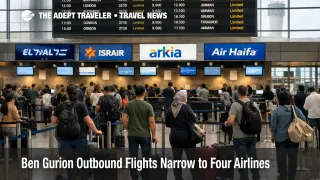
Travelers still trying to leave Israel now have a more specific airline map, but not a much easier one. On March 24, 2026, the U.K. Foreign, Commonwealth and Development Office, or FCDO, updated its Israel advice to say Ben Gurion Airport is operating a limited schedule of outbound flights and that operations are currently approved for El Al, Israir, Arkia, and Air Haifa. The same update says passenger numbers on each flight remain limited under Israel Home Front Command regulations, which means the practical problem is no longer figuring out whether any flights exist, but whether one of the few approved channels still has a workable seat before border alternatives become the safer bet.
Ben Gurion Outbound Flights: What Changed
What changed on March 24 is official precision. FCDO now names the airlines currently in the outbound window, El Al, Israir, Arkia, and Air Haifa, and tells travelers to monitor those carriers directly because options can change at short notice if the security situation worsens. That narrows the search for stranded passengers who were still treating Ben Gurion Airport (TLV) as broadly available, but it also confirms how limited the airport remains in practice.
The cap still matters more than the airline list alone. Reuters reported on March 23 that Ben Gurion had been limited to one outbound flight per hour, with outgoing flights restricted to 50 passengers, after a security assessment tied to missile risk. Even if those exact operational settings shift again, the FCDO language confirms the central traveler problem, approved airlines do not equal normal seat supply. A four carrier list under passenger caps is still a bottleneck, especially with holiday demand and disrupted rebooking demand pressing on the same narrow exit lane.
Which Travelers Face the Tightest Exit Bottleneck
The travelers most exposed are those without a confirmed near term seat, those holding tickets on foreign airlines that are not currently operating, and anyone whose trip depends on a same day departure from the Tel Aviv area. This update helps travelers target a smaller set of carrier channels, but it also concentrates demand on those same channels, which can push up fares, wipe out remaining inventory, and leave little room for error if a flight is pulled or rescheduled.
Travelers with urgent medical, family, or onward long haul needs face an even narrower decision window. FCDO says British nationals in urgent or exceptional circumstances can submit a Ministry of Transport assistance form, but that is not a general relief valve for the wider market. For everyone else, the exit math is still unforgiving. In an earlier Adept Traveler article, Ben Gurion Departure Cap Pushes Border Exits explained why tighter airport limits had already started pushing more travelers toward Jordan and Egypt overland options.
What Travelers Should Do Now
Travelers who can still reasonably pursue Ben Gurion outbound flights should stop searching the market broadly and focus on the four named airlines, while also checking border status and onward documents before leaving for the airport. The FCDO now explicitly tells travelers to monitor airline sites and border crossing conditions, and that is a useful signal in itself, airport access without a real seat is not a plan. If you do not hold a confirmed booking, or if your carrier is outside the approved group, the risk of losing another day by waiting has increased.
The next decision threshold is simple. Wait on Ben Gurion only if you have a confirmed seat in the near term, a manageable airport transfer, and an acceptable fallback if that departure disappears. Pivot earlier to a land exit if you are still waitlisted, priced out, booked on a non operating foreign carrier, or trying to preserve a larger international itinerary that becomes much harder to rebuild after another missed day. FCDO still says commercial options through Jordan and Egypt remain available, which means the overland fallback is not a side note, it remains part of the core exit system. Travelers heading toward Jordan should also check Jordan Entry Requirements For Tourists In 2026 before they move, especially if they may need a visa on arrival or extra processing time at a land border.
The next 24 to 72 hours should be watched closely for two signals. The first is whether the approved airline list stays stable or begins shrinking again. The second is whether border exits start carrying a larger share of practical departures as airport seat scarcity worsens. If those conditions tighten together, the real decision point will shift from finding a flight out of Tel Aviv to choosing which land corridor is least likely to fail.
Why the Airline List Helps, but Does Not Solve the Exit Problem
The new airline list matters because it reduces guesswork, but it does not reopen Israel to anything close to normal commercial air travel. FCDO still advises against all travel to Israel and Palestine, says regional escalation poses significant security risks, and warns that commercial options can change at short notice if conditions deteriorate. That means travelers should treat the current four airline window as a constrained operating lane, not a return to routine airport behavior.
Mechanically, the disruption spreads fast. First order, fewer seats leave the country each day. Second order, demand compresses into a handful of booking channels, while rebookings, family groups, and urgent departures compete for the same tiny inventory pool. Reuters also reported that Arkia was shifting much of its operation to Aqaba and Taba, which shows how airline behavior itself is adapting to the cap by moving useful lift closer to the land borders. That is why the practical travel map still includes Ben Gurion, Jordan, and Egypt at the same time. The airport remains part of the exit chain, but not enough of it to let most travelers ignore the border fallback.