

Europe Jet Fuel Warning Raises June Flight Risk
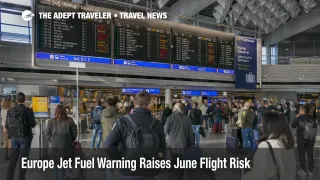
Europe jet fuel warning moved from industry planning talk to an explicit flight risk on April 16, 2026, when International Energy Agency Executive Director Fatih Birol said Europe has "maybe six weeks or so" of jet fuel left and warned that flights between European cities could soon be canceled if oil supplies stay blocked. For travelers holding Europe flights for late April, May, and early June, the issue is no longer only fare pressure. It is whether airlines, airports, and fuel consortia can keep physical supply flowing long enough to avoid schedule cuts.
That warning lands on top of an already worsening supply picture. Reuters reported on April 16 that the European Union is drafting measures to map refinery capacity and maximize output as airlines warn of shortages, price hikes, grounded aircraft, and disruption ahead of summer. Reuters also reported on April 15 that record U.S. jet fuel cargoes heading to Europe are covering only about half of the Gulf volumes the region has lost. In practical terms, replacement supply is arriving, but not yet at the level needed to restore normal comfort.
The seriousness here is meaningful disruption risk, not guaranteed systemwide collapse. Europe is not out of fuel today. But the warning window has tightened enough that travelers should treat late spring and early summer itineraries as exposed to operational changes if the Strait of Hormuz remains blocked.
Which Europe Itineraries Face the Most Risk
The most exposed travelers are not all travelers equally. The first group is passengers flying within Europe, especially on shorter point to point routes where airlines can trim weaker frequencies or combine loads faster if fuel availability tightens. Birol specifically warned that "some of the flights from city A to city B might be canceled," which points more toward network pruning than an immediate shutdown of flagship long haul corridors.
The second exposed group is travelers using Britain and other import dependent markets. Reuters reported that imports cover more than 60 percent of British jet fuel demand, while Spain is a net exporter. That uneven geography matters. Two itineraries inside Europe can face very different risk depending on where the fuel is sourced, stored, and distributed. A city pair that looks routine on the booking screen can become fragile if one end of the route sits in a tighter supply zone.
The third exposed group is anyone relying on a backup rebooking chain. When fuel tightens, the first order effect is fewer flights or higher prices. The second order effect is weaker recovery depth when something else goes wrong, missed connections, overnight delays, fuller alternate flights, and less slack at busy hubs. In an earlier Adept Traveler article, Heathrow Reroute Capacity Tightens at Full Slots, that fallback problem was already visible even before this latest warning.
What Travelers Should Do Now
Start by separating essential air segments from optional ones. If you have a cruise embarkation, a wedding, a business meeting, or a long haul connection that cannot slip by a day, build more protection around the Europe flight leg now. That can mean moving to an earlier departure, avoiding the last viable connection of the day, or choosing a larger carrier with more same alliance recovery options.
Do not assume waiting is always cheaper. If fuel stress worsens, lower fares may disappear while flexibility shrinks. The better threshold is not price alone. Rebook sooner if your itinerary depends on one short intra Europe flight, a tight connection, or a hard deadline at destination. Wait longer only if your trip can absorb a one day slip and you still have multiple daily alternatives from the same airport.
Over the next 24 to 72 hours, monitor three signals. Watch whether the Strait of Hormuz reopens to normal flows, whether the EU's emergency fuel measures harden into concrete action, and whether airlines start discussing schedule protection rather than only surcharge pressure. In an earlier Adept Traveler article, Europe Jet Fuel Risk Moves Into Emergency Planning, the focus was still policy preparation. This Europe jet fuel warning pushes the story closer to actual schedule consequences.
Why the Pressure Is Rising, and What Happens Next
The mechanism is straightforward. Europe imports more jet fuel from the Middle East than it does for any other transport fuel, and Reuters reported that roughly 75 percent of those jet fuel imports normally come from that region. When Strait of Hormuz flows stall, Europe cannot instantly replace that supply with local refining or emergency barrels of the right product in the right place. The IEA says many European refiners are already operating at maximum jet fuel output, while airports and fuel handling systems do not all hold large long term stocks.
That is why replacement cargoes alone may not solve the problem. Reuters reported that if Europe secures only half of the lost Middle East volumes, stocks could hit the 23 day level in June where physical shortages begin. The IEA also notes that the Strait is a crucial artery for oil and gas exports, with limited bypass capacity for much of the region's flow. Even if the conflict eases, damaged energy assets and shipping disruption can keep supply chains messy for months.
For travelers, what happens next is likely to unfold in stages. First comes continued fare pressure and tighter fuel planning. Next comes selective flight trimming if supply stays constrained into May. After that, the main risk becomes summer schedule reliability, especially on shorter European sectors and in more import dependent markets. Travelers do not need to panic, but they do need to plan as if the Europe jet fuel warning could become an operational problem, not just an energy headline.