

Qatar Visa Extension Eases Overstay During Airspace Halt
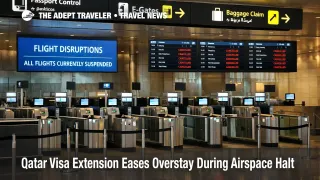
Qatar visa extension airspace closure policy changed on March 3, 2026, as the Ministry of Interior said entry visas that are expired or close to expiring will be extended automatically for one month, with no fees. The move matters because Qatar's airspace closure has stopped normal passenger flying in and out of Doha, Qatar, which turns a routine visa expiry into an expensive overstay problem for stranded visitors. The Ministry said the extension applies across all entry visa categories, and that further extensions could follow depending on how the situation develops.
The main catch is timing. Qatar's Ministry of Interior signaled that people whose visas expired before February 28, 2026 still owe overstay fines already incurred, even if the new one month extension is automatic for the current disruption window. For travelers, that difference decides whether you can simply wait for flights to restart, or whether you need to settle fines, adjust status, or make an exit plan that avoids compounding penalties.
Qatar Visa Extension: What Changed For Stranded Travelers
The confirmed change is procedural and financial. Qatar is extending eligible visas automatically through its electronic systems, and waiving extension fees, which reduces the need to visit government offices at the exact moment transport options are constrained. This is designed to stabilize legal stay status while travelers wait out the airspace halt, not to solve transportation itself.
On the airline side, Qatar Airways has published a parallel set of customer options for passengers holding confirmed bookings with travel dates from February 28 through March 10, 2026. Those customers can shift travel dates by up to 14 days from the original date, or request a refund of the unused value of the ticket, with the carrier urging people not traveling within the next 48 hours to avoid contacting call centers due to volume. That matters because the visa extension reduces immediate overstay pressure, while the airline flexibility determines how quickly you can realistically leave once limited flying resumes.
Who Benefits Most From The One Month Automatic Extension
The biggest beneficiaries are short stay visitors and transit style itineraries that got stuck unexpectedly in Doha when the airspace closed, especially travelers who entered on visa on arrival or time limited entry categories. If you were approaching your final permitted days, the automatic month buys time without new paperwork, and it reduces the risk that you will be forced into an immediate, costly routing just to stay legal.
Travelers with older visa issues face a different reality. If your permission to stay expired before February 28, 2026, the reporting on the policy makes clear that prior overstay fines still apply, so the "automatic" extension does not erase earlier violations. In practice, that group should treat the visa announcement as partial relief, not a clean slate.
Thailand is also relevant for the same traveler cohort because the disruption has spilled into Asia bound and Europe bound networks that rely on Gulf connections. Thailand's government communications and local reporting describe significant Middle East linked flight cancellations affecting major Thai gateways, alongside planned assistance such as visa flexibility, discounts, and support coordination for stranded visitors.
What Travelers Should Do Now
First, separate "legal stay risk" from "transport risk." If you are currently in Qatar, confirm your visa category and expiry date, then assume the one month extension covers you only if your visa was expired or near expiry during the post February 28 disruption window. If your visa expired earlier, plan for overstay fines to remain payable, and avoid adding more days of violations while waiting on flight restarts.
Second, set a rebooking threshold instead of refreshing flight status all day. If your trip has a hard deadline, for example a cruise embarkation, a wedding, work start, or a tour departure, use the Qatar Airways change and refund terms now, and move to routings that avoid the Gulf until the region is reliably open, even if the alternative adds elapsed travel time. If your trip is flexible, and you can tolerate an overnight buffer, waiting can be rational, but only if you are on a single protected ticket and you have enough funds and accommodation runway to absorb delays.
Third, monitor two channels, not ten. Watch Qatar Airways' official operational updates for the next carrier specific decision point, and watch the Ministry of Interior for any announced follow on extensions beyond the initial month. For broader context on how partial reopenings still break connections, and why "some flights resumed" does not equal "hub is reliable," the earlier reporting in Middle East Airspace Closures Ground Gulf Hubs and Worldwide Caution, Middle East Hubs Still Disrupted is the right baseline.
Why Visa Extensions Are Becoming A Travel System Pressure Valve
Visa extensions are showing up because airspace closures create a specific failure mode, travelers are not just delayed, they are immobilized in a country they did not plan to "stay" in. When commercial lift pauses, even well resourced travelers can get trapped by cascading constraints like limited hotel inventory, rebooking queues, and the need to enter the country landside if an airport cannot support normal transit flows.
That is why governments are using immigration policy as a pressure valve. Qatar's one month automatic extension reduces the immediate compliance burden for visitors, and it prevents overstay fines from stacking up purely due to a transport shutdown. Thailand's response, as described by official communications and local reporting, follows a similar logic, keep visitors legal and housed while airlines unwind cancellations tied to Middle East routing risk. The second order effect is that these moves also buy airlines and airports time to recover schedules without forcing travelers into rushed, higher risk routings just to remain in status.
Sources
- Ministry of Interior Extends All Types of Entry Visas for One Month, Qatar News Agency
- Ministry of Interior, Qatar announcement on X
- Qatar Airways Service Update: 03 March 2026, Qatar Airways
- Passenger Guidelines, Security Situation, Qatar Airways Trade Portal
- Thailand Confirms Airports Operating Normally as Flight Cancellations Mount, Thailand Public Relations Department
- Special help for stranded foreign tourists, Bangkok Post